How to Choose an Abruzzo Tour for Slow Travel in 2026
Short answer: a real Abruzzo slow travel tour runs in small private groups, treats its schedule as a guide rather than a rule, and is built around local hosts who show you how they actually live. Plan around a week, choose by season, and expect to pay roughly €50–60 per person for a half-day experience and up to about €300 per day for a private guide.
Every tour calls itself "slow" these days. Here is how we, as a small tour operator from Abruzzo, tell the difference, and what to look for before you book.
New to Abruzzo? Read our Travel Guide or explore what we can do for you.
What slow travel really means
Slow is not a shorter itinerary or fewer stops. It is about not being rushed.
Every experience has a time frame, of course. But on a slow tour, the time frame is guidance, not a rule. If you want to stay one more hour to talk with your host, you stay. If you would rather sit in the garden or on the porch and simply take in the view, nobody is checking a watch.
That only works because the host is genuinely there for you, and because the group is small. There is no bus of 30 people that has to be back at the hotel by six.
You can feel it from the first greeting
The easiest test happens in the first minute. On a slow experience, you feel it from the moment the host greets you. Nobody is reading a script; nobody is hurrying you to the next stop.
Before booking, ask these questions:
- How big is the group? Private or small groups are what make flexibility possible.
- Is the schedule fixed? If every activity has a hard cutoff, it is a standard tour with a slow label.
- Who are the hosts? Look for named, local people running their own farm, workshop, kitchen or trail.
- Is it shared with strangers? If you prefer privacy, ask whether the experience is private by default.
Red flags: when "slow" is just a label
- Many stops packed into one day, with transfers between each
- Large groups and fixed departure times for every activity
- Experiences staged for tourists rather than part of the host's real daily life
- No information about who you will actually meet
Abruzzo is not Tuscany, and that is the point
The most common misunderstanding we hear is that Abruzzo works the same way as Tuscany. It does not.
Abruzzo keeps its authenticity, but that comes with some trade-offs. Many local providers are not heavily internationalised yet. A cheesemaker or a farmer may not offer a polished show; they show you what they do every day, the way they do it.
For some travellers that feels unfamiliar at first. For us, it is exactly what is worth protecting. You are not watching a performance. You are being welcomed into someone's real work and home.
A good Abruzzo tour operator should prepare you for this, help with language where needed, and choose hosts who genuinely want to share their place with visitors.
How the seasons change your trip
In Abruzzo, the season changes everything: the landscape, the people you meet, even the light of the sun and moon. You go to different places in summer than in winter.
And if you return to the same village in another season, you will barely recognise it. That is why we plan trips around the season, not the other way around.
- Spring: green valleys, wildflowers and the start of the hiking season.
- Summer: cooler mountain plateaus and village festivals, alongside the coast.
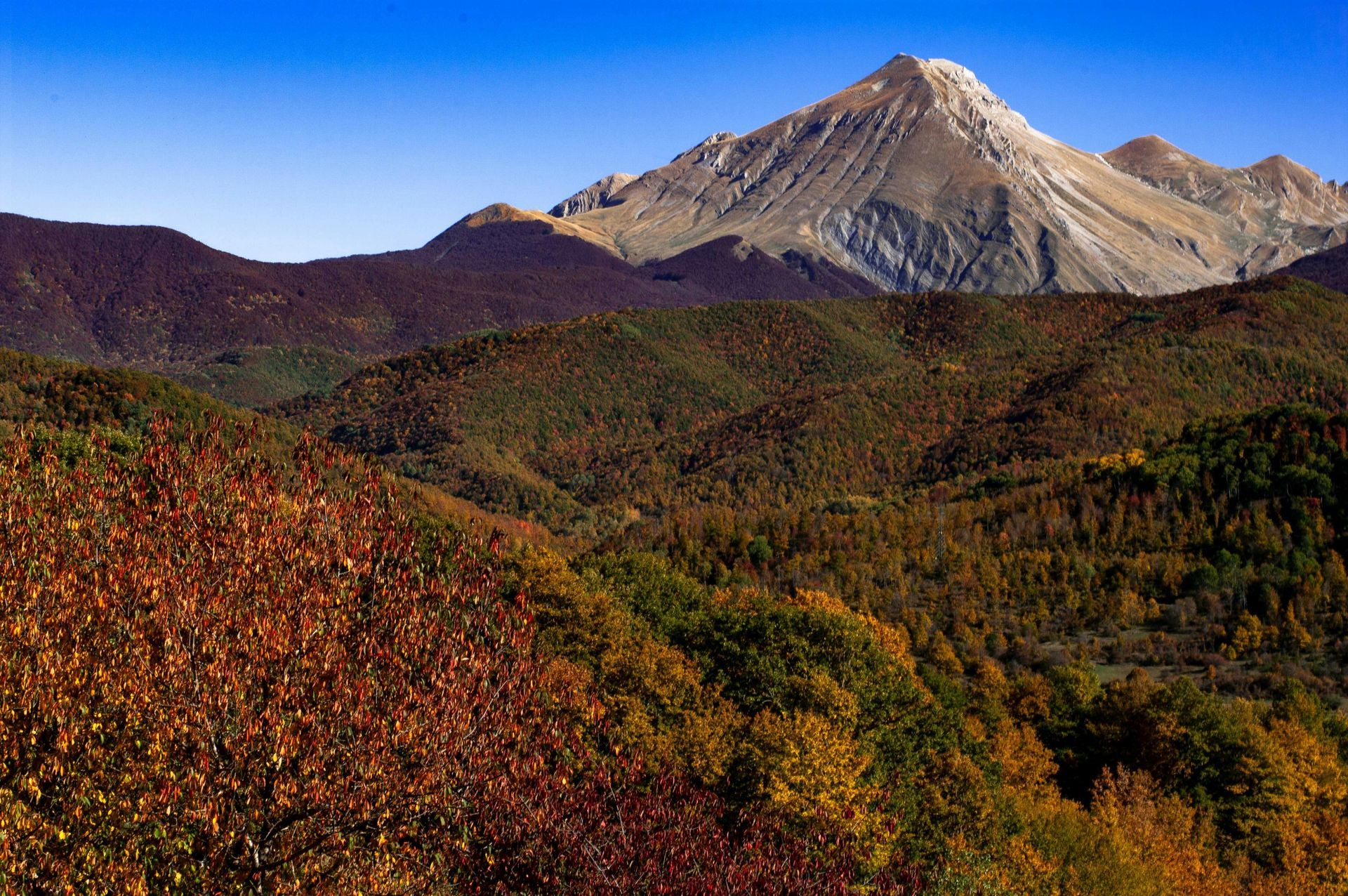
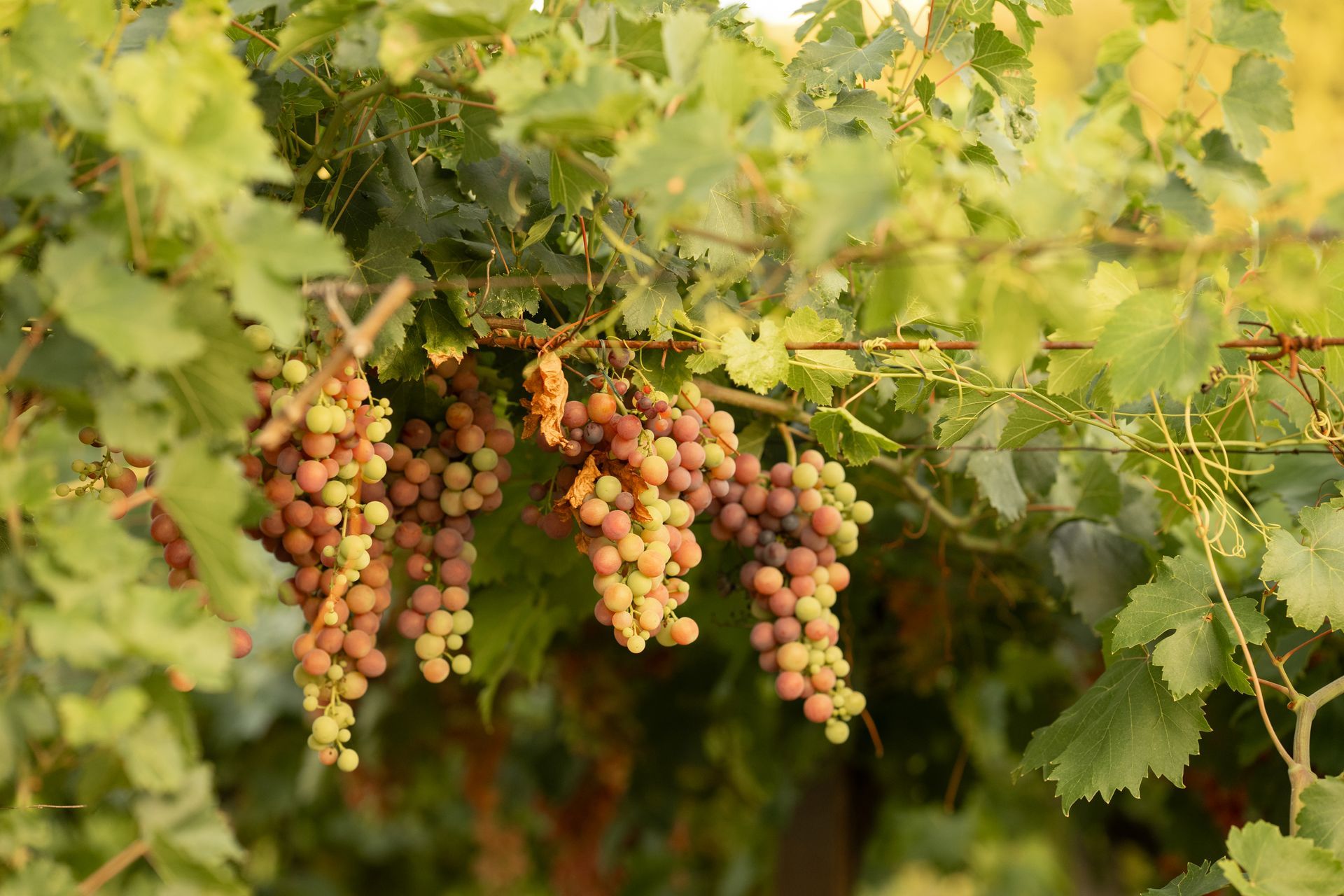
- Autumn: harvest time, wine, olive oil and colourful forests.
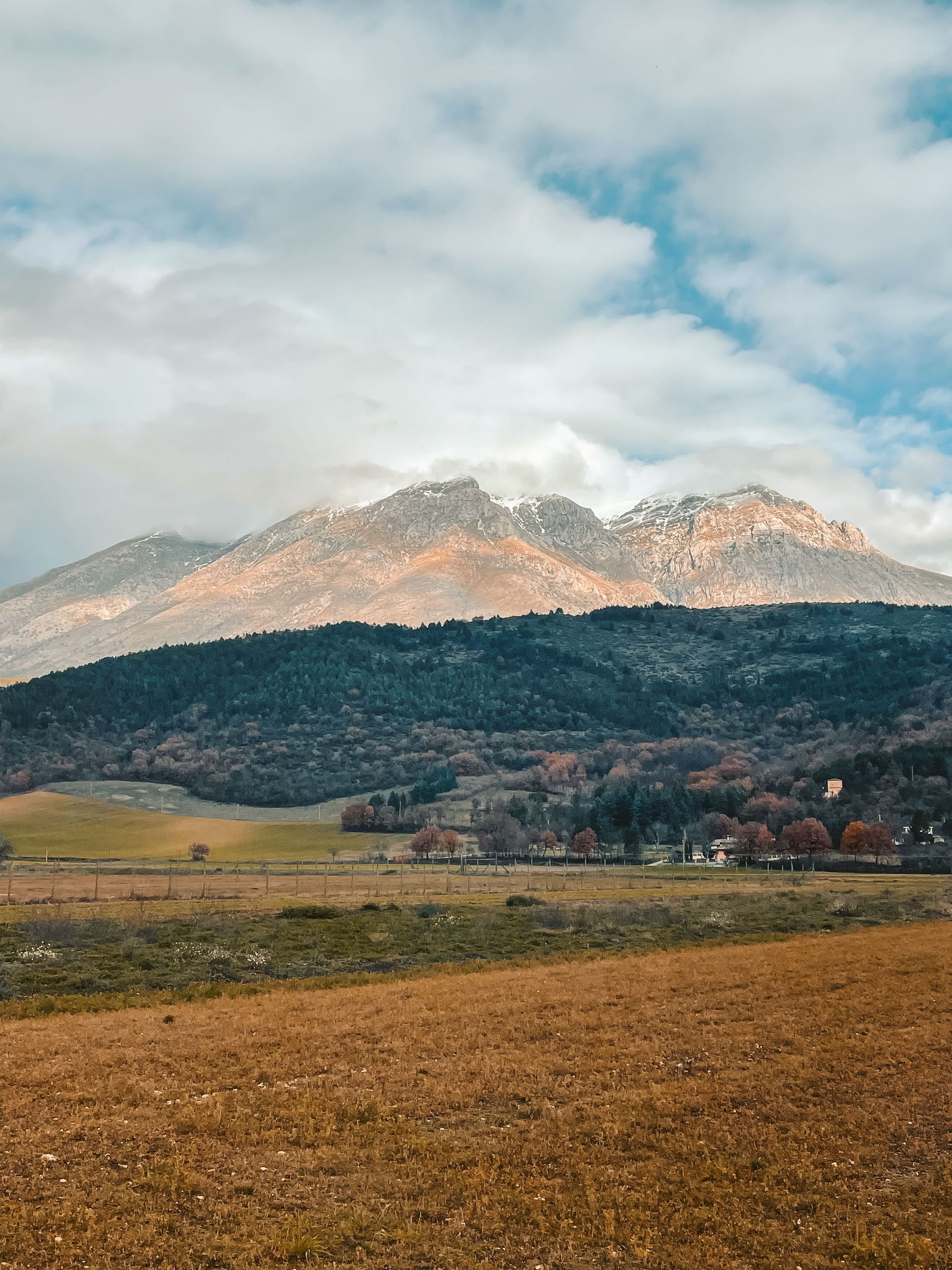
- Winter: snow in the mountains, skiing and quiet stone villages.
A trustworthy operator will tell you honestly what is worth doing in your travel month, and what is better saved for another time.
What an authentic experience costs
Prices depend on the experience, the season and how private you want it. As a guide, at borGO:
| Type | Price |
|---|---|
| Authentic half-day experience | from about €50–60 per person |
| Full day with a private guide | up to about €300 per day |
| Tailor-made trip with support | about €150–350 per person per day |
If a price looks very low, ask what is included and who is being paid. Fair prices are what keep small hosts able to welcome guests.
How long should you stay?
To really enjoy Abruzzo, we recommend about a week.
The first few days are for arriving and getting to know the place. The remaining days are for connecting with the people and enjoying it fully. And probably the last day is for crying a little, because in Abruzzo you connect with people very easily.
Quick checklist before you book
- Small or private group
- Flexible timings, not strict cutoffs
- Named local hosts
- Itinerary built around your season
- Clear, fair prices
- At least five to seven days if possible
- Licensed tour operator for packaged trips
-
Plan your slow trip with us
Tell us when you want to travel and what you love, and we will build the trip around the season and the people.
Contact us for planning your day
Our Frequently Asked Questions
What is a slow travel tour?
A slow travel tour is a trip that gives you time to connect with places and people. Groups are small, schedules are flexible, and experiences are led by local hosts rather than staged for tourists.
Is Abruzzo good for slow travel?
Yes. Abruzzo has mountains, national parks, hill villages and a coast, and many hosts still work the way they always have. It is less internationalised than Tuscany, which makes experiences feel more genuine.
How many days do you need in Abruzzo?
About a week is ideal: a few days to settle in, and the rest to connect with people and enjoy the region.
How much does a tour in Abruzzo cost?
At borGO, authentic half-day experiences start at around €50–60 per person, and a full day with a private guide can reach about €300. This does not include transport and stays.