
Abruzzo Travel Guide
Discover where Abruzzo is, the best things to do, when to visit, and how to plan your trip to Italy’s most authentic region.
Travel Guide
Discover Abruzzo, Italy - A region of Nature, Villages and Traditions
Abruzzo is one of Italy’s most overlooked regions — yet it offers some of the country’s most dramatic landscapes, preserved medieval villages, and authentic local traditions. Located just two hours from Rome, Abruzzo combines mountains, national parks, quiet Adriatic beaches, and historic hilltop towns in one compact region.
Unlike Tuscany or the Amalfi Coast, Abruzzo remains largely untouched by mass tourism. Here, you experience Italy at a slower pace — through local food, family-run wineries, mountain trails, and stone villages that still feel genuinely lived-in.
This is where tradition, nature and real Italian culture meet.
What Makes Abruzzo Special for Travellers?
- Three national parks and some of Italy’s highest peaks
- Over 200 medieval villages and small cities
- A year-round destination
- A quiet Adriatic coastline
- Montepulciano d’Abruzzo wine region
- Deep pastoral and shepherd traditions
- Authentic, regional cuisine with minimal outside influence
Abruzzo offers the Italy many travelers imagine — but rarely find in busier regions.
What to See and Do in Abruzzo
From medieval villages and dramatic national parks to local food and living traditions, Abruzzo offers experiences that feel both authentic and unforgettable.
Best things to do in Abruzzo
Abruzzo offers some of the most authentic travel experiences in Italy. From exploring medieval villages like Santo Stefano di Sessanio and Scanno to hiking in the wild landscapes of Gran Sasso and Majella National Parks, the region is full of unforgettable places to discover.
Whether you are interested in historic towns, nature, local food, or outdoor adventures, this guide highlights the best things to see and do across Abruzzo.
Best Villages in Abruzzo
Abruzzo is filled with remarkable places to discover, from historic towns to scenic countryside and vibrant local communities. In Villamagna, visitors can explore vineyards and experience the region’s deep wine traditions, while the city of Teramo offers lively piazzas, historic architecture, and an authentic local atmosphere.
Across the region, travelers will find hilltop villages, mountain landscapes, and hidden corners that reveal the everyday beauty of central Italy.
How to plan a trip to Abruzzo
Planning a trip to Abruzzo is easier when you understand how the region is structured. Mountains, national parks, historic villages, and the Adriatic coast are all within short driving distances, making it possible to experience a wide variety of landscapes in just a few days.
Our travel planning guide helps you understand how many days to spend in Abruzzo, where to stay, and how to organize your itinerary for a smooth and authentic journey.
Authentic Experiences in Abruzzo
Travel in Abruzzo is about more than visiting places — it’s about connecting with the people and traditions that define the region. Meet local artisans, taste regional wines, explore mountain trails, and enjoy meals in family-run trattorias.
Our curated experiences allow travelers to discover Abruzzo through food, culture, nature, and meaningful encounters with local communities.
How Many Days Do I Need in Abruzzo?
Abruzzo is not a region to rush. While distances are relatively short, the richness of its landscapes, villages, and traditions invites a slower pace.
If you have three days, you can combine one national park with two historic villages, giving you a taste of both nature and cultural heritage. With five days, your experience becomes more balanced — adding mountain landscapes, village exploration, and meaningful food and wine experiences. A week or more allows for a fuller immersion, including time along the Adriatic coast, scenic drives across high plateaus, and deeper connections with local communities.
Abruzzo rewards travelers who linger. The beauty here is not just in what you see, but in how you experience it.
What is the best time to visit Abruzzo?
Abruzzo is a year-round destination, but each season offers a different atmosphere.
Spring, from April to June, brings wildflowers across the mountains, mild temperatures, and fewer visitors — ideal for hiking and village exploration. Autumn, particularly September and October, is harvest season. Vineyards turn golden, local festivals celebrate wine and food, and the countryside feels especially vibrant.
Summer is perfect for combining mountain escapes with the Adriatic coastline, while winter transforms the higher elevations into quiet, snow-covered landscapes. Spring and fall are often considered the most rewarding times for slow travel, when the pace is relaxed and the scenery at its most expressive.
Explore Our Abruzzo Travel Packages for you
Planning a trip to Abruzzo and in need of some inspiration? Look at our guide with some travel packages. We can personalise your stay in Abruzzo to match your taste, needs and speed. Check our page and get in touch with us.
Tailor Made to your needs
How to Plan Your Trip to Abruzzo
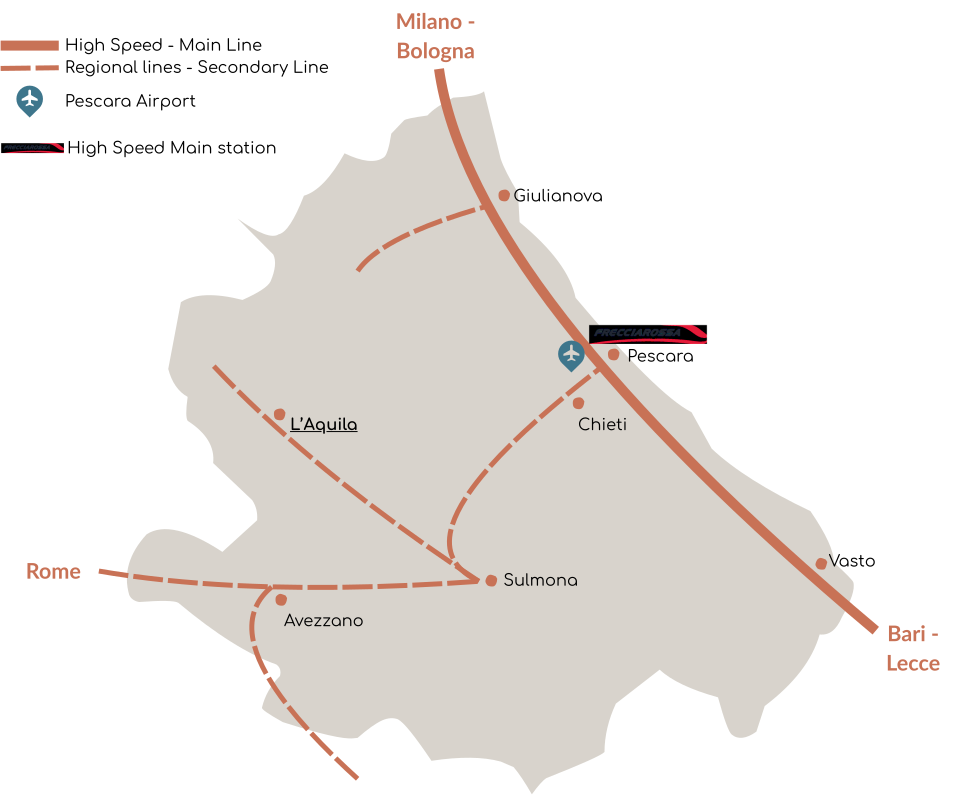
Because many of Abruzzo’s most beautiful villages are spread across mountains and rural landscapes, careful planning makes a significant difference. Public transportation between small towns can be limited, which is why many travelers choose to rent a car or book guided experiences that simplify logistics. Staying in one or two well-chosen locations allows you to explore surrounding villages and natural areas without constantly changing accommodations. With the right structure, your time in Abruzzo becomes seamless and immersive rather than fragmented.
Experience Abruzzo the Right Way
Abruzzo is not a checklist destination. It is a region best explored through encounters, conversations with artisans, meals in family-run trattorias, walks through quiet stone streets at sunset, and moments in landscapes that feel vast and uncrowded.
If you’re ready to experience Italy beyond mass tourism, consider exploring curated travel packages designed around authentic village life, nature, and cultural depth.