
Things to Do in Abruzzo
From mountain villages and wild national parks to local wine traditions and timeless crafts, Abruzzo offers travelers a rare chance to experience Italy beyond mass tourism. This guide explores some of the most meaningful things to see and do across the region — places where landscapes, culture, and everyday life still move at their own rhythm.
A Region Best Discovered Slowly
How to Explore the Best Things to Do in Abruzzo
Abruzzo is not a destination built around famous landmarks or crowded attractions. Its beauty is found in small villages, mountain landscapes, and everyday traditions that have shaped the region for centuries.
This guide introduces some of the most authentic places and experiences across Abruzzo — from wine-producing hills and historic towns to craft traditions and hidden mountain communities. Use it as a starting point to discover different areas of the region and the unique activities each place offers.
Four Places That Reveal the Soul of Abruzzo
Villages and Places to Discover in Abruzzo this year
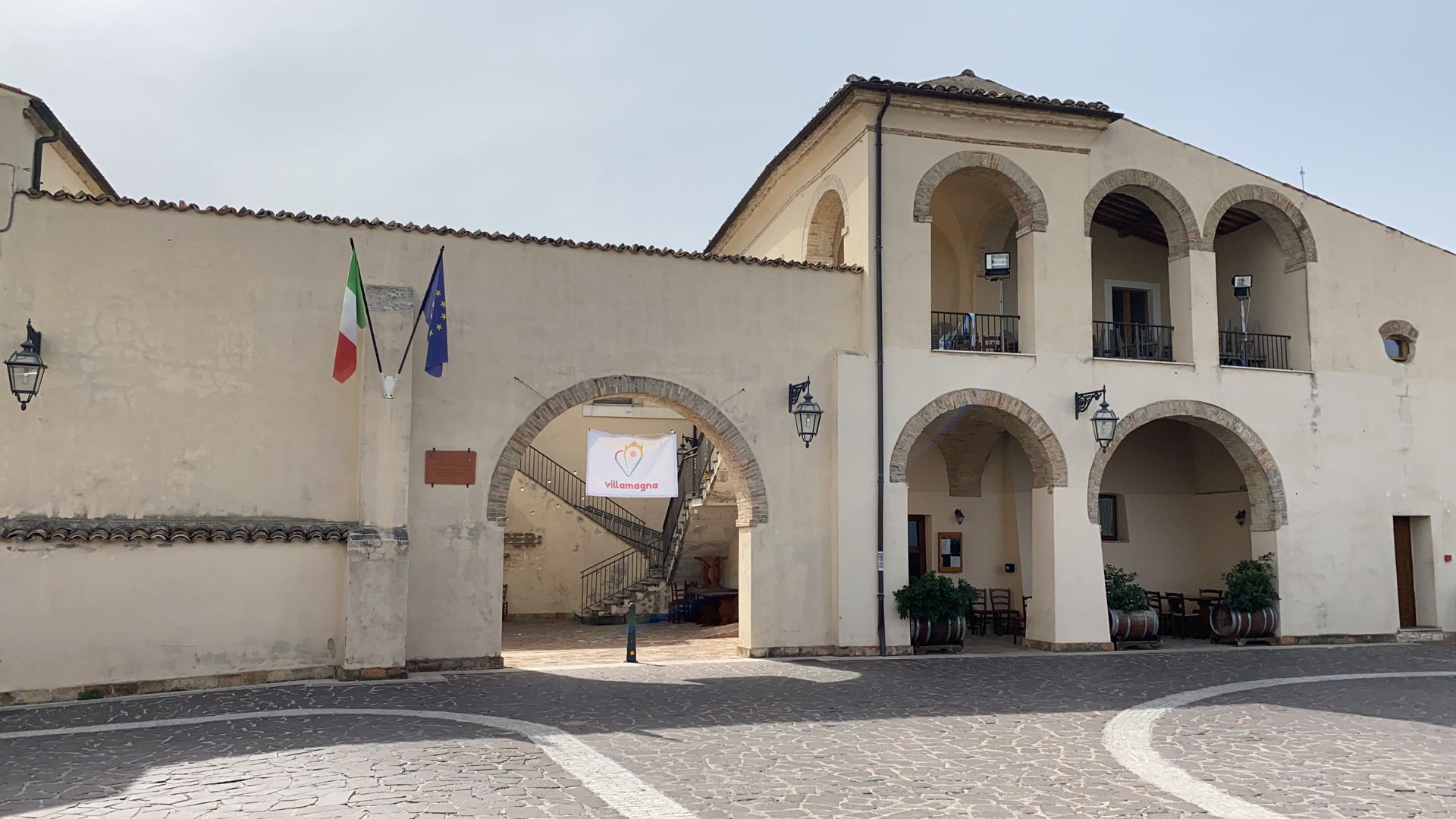
Villamagna
Located among rolling vineyards just south of Chieti, Villamagna is known for its deep connection to wine culture. Here, visitors can explore small family-run wineries, walk through the surrounding countryside, and taste local expressions of Montepulciano d’Abruzzo shaped by generations of growers.
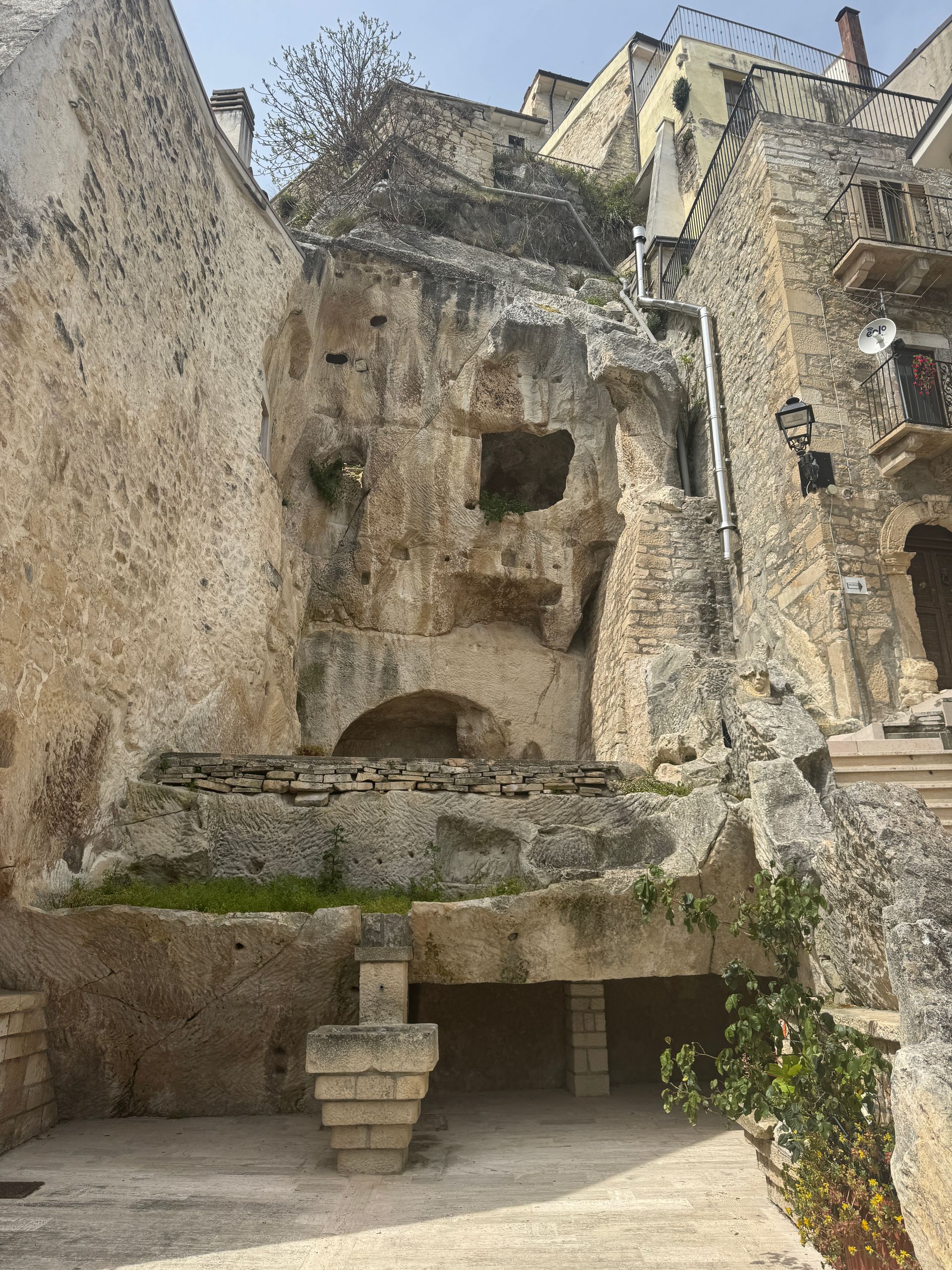
Pennapiedimonte
Carved directly into the slopes of the Majella mountains, Pennapiedimonte is often called the “Matera of Abruzzo.” For centuries, local stone masons shaped homes, stairways, and terraces directly from the rock itself, creating one of the most unique villages in the region.
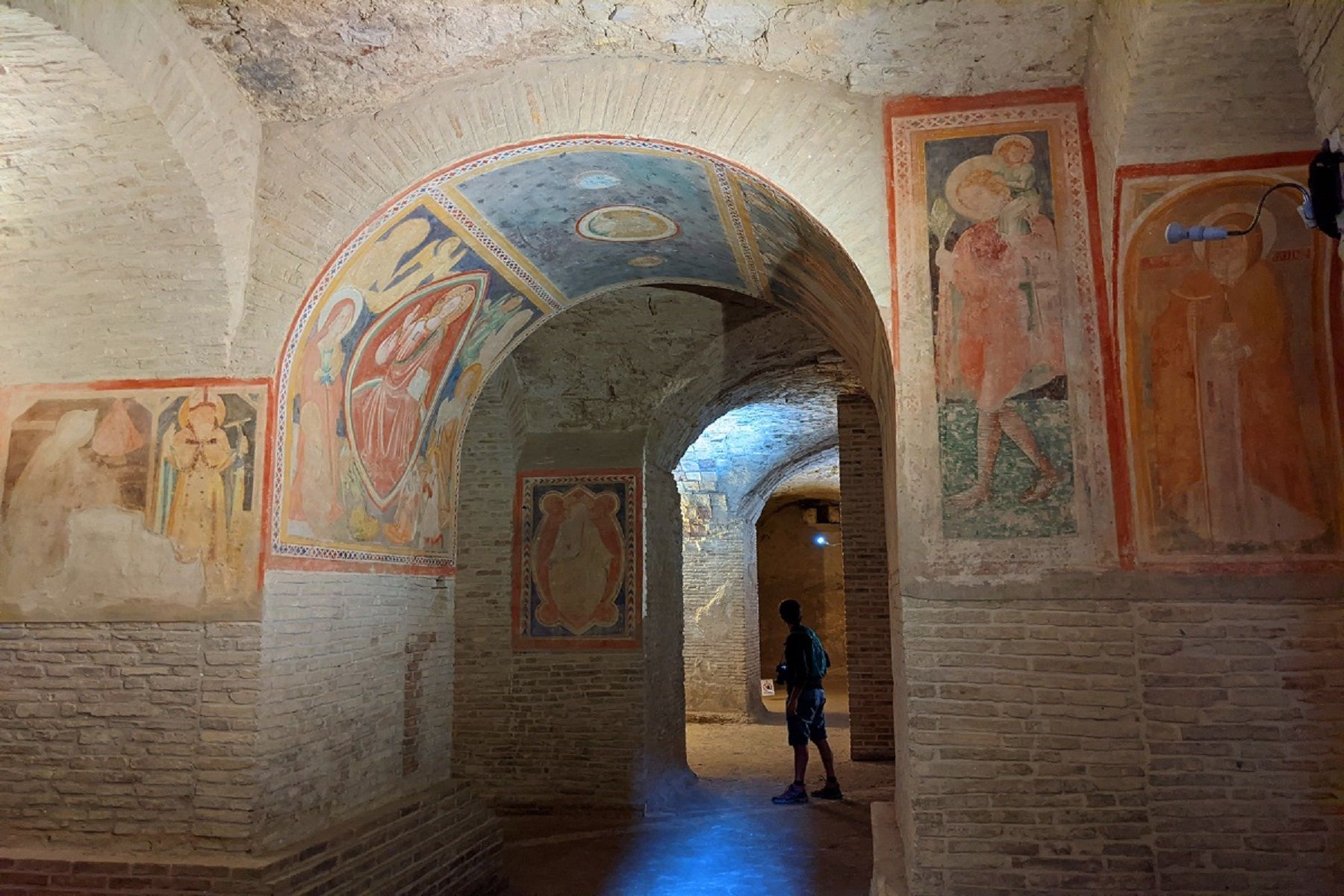
Atri
Atri combines medieval architecture, Renaissance art, and dramatic natural scenery. Its historic center is home to the remarkable Cathedral of Santa Maria Assunta, while just outside town the striking Calanchi cliffs create one of the most fascinating landscapes along the Adriatic coast.
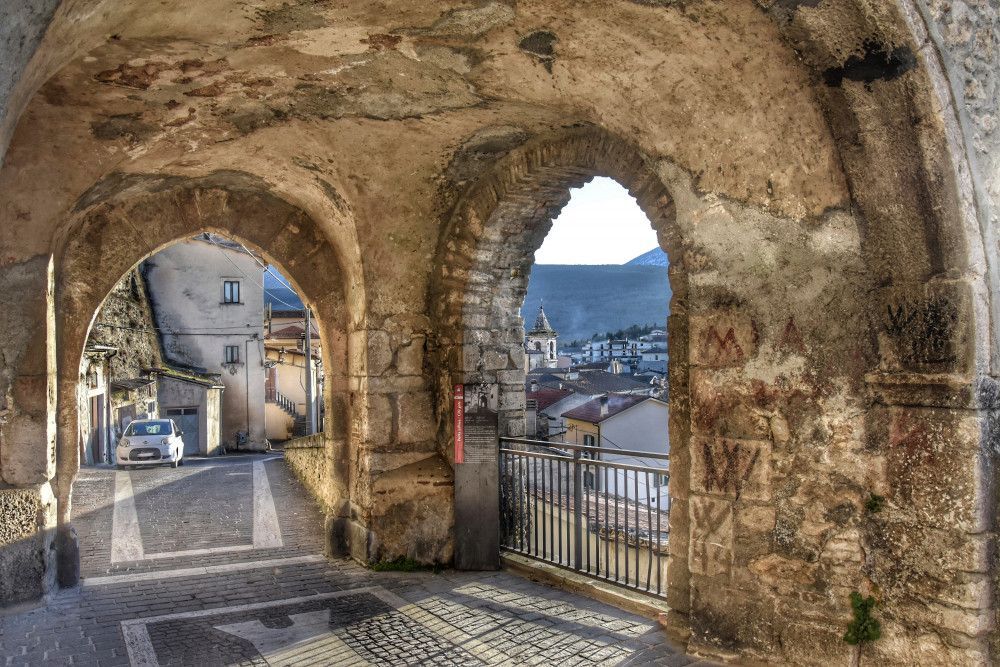
Castel di Ieri
Nestled in a peaceful valley between mountains and historic routes, Castel di Ieri offers a glimpse of everyday life in rural Abruzzo. With Roman origins and a strong agricultural tradition, the village reflects the slower rhythms that still define many parts of the region.
Abruzzo’s Wild Landscapes
Discover Abruzzo’s National Parks
Abruzzo is often called the green heart of Europe, with nearly one third of its territory protected by national parks and nature reserves. Vast mountain landscapes, forests, and high plateaus create one of Italy’s most remarkable natural environments.
From the peaks of Gran Sasso to the valleys of Majella National Park, outdoor lovers can explore hiking trails, wildlife habitats, quiet mountain villages, and panoramic landscapes that change with every season.
Gran Sasso National Park
Home to the highest peaks of the Apennine mountains, Gran Sasso and Monti della Laga National Park offers dramatic landscapes, alpine plateaus, and historic mountain villages. Visitors can hike across high-altitude trails, explore medieval towns like Castel del Monte, and discover the vast plains of Campo Imperatore.
Abruzzo, Lazio and Molise National Park
One of the oldest national parks in Europe, this protected area is famous for its rich biodiversity. Here you may encounter wolves, chamois, deer, and the rare Marsican brown bear, a symbol of Abruzzo’s wild nature.
The park offers scenic trails, forests, and peaceful villages surrounded by mountains.
Majella National Park
Known as the “Mountain of the Mother,” Majella National Park is one of the wildest areas in Italy. Its deep valleys, limestone cliffs, and ancient hermitages create a landscape where nature and spirituality meet.
The park is ideal for hiking, wildlife watching, and discovering small mountain villages carved into the rock.
Trabocchi Coast and Marine Reserve
The Costa dei Trabocchi is one of the most distinctive coastal landscapes in Italy. Wooden fishing structures called trabocchi extend into the sea, creating a unique scenery where maritime traditions and nature meet. Protected coastal areas and marine reserves preserve crystal-clear waters, quiet beaches, and scenic cycling routes along the Adriatic.
Food Traditions of Abruzzo
Discover the Flavors of Abruzzo
Abruzzo’s cuisine is deeply rooted in its landscapes and traditions. Rather than being defined by a few famous dishes, the region is known for the quality of its raw ingredients — mountain cheeses, cured meats, olive oil, saffron, and wines shaped by small producers and rural traditions.
From shepherd culture in the Apennine mountains to coastal fishing villages along the Adriatic, Abruzzo’s food reflects the diversity of its territory. Travelers quickly discover that what makes the region special is not complexity, but the authenticity and purity of its ingredients.
Exploring Abruzzo through food means visiting small producers, tasting traditional specialties, and discovering how local ingredients are transformed into simple yet unforgettable flavors. For many visitors, food becomes one of the most meaningful ways to understand the culture and rhythm of life in Abruzzo.
Taste of Abruzzo
Traditional Foods to Try in Abruzzo
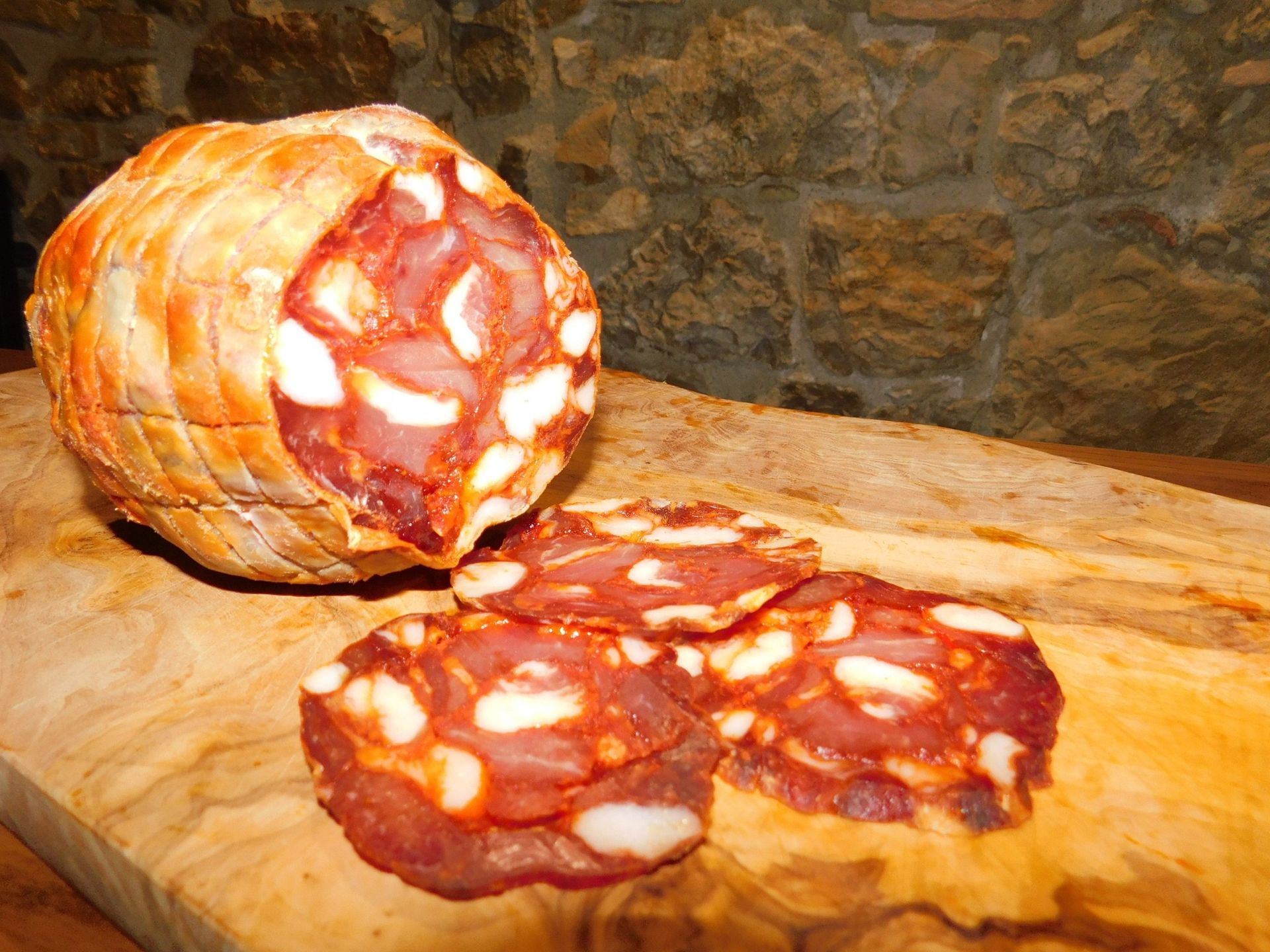
Ventricina from the Trigno Valley
One of the most distinctive cured meats in southern Abruzzo, Ventricina del Vastese comes from the hills and villages of the Trigno Valley. Made from carefully selected pork cuts and seasoned with sweet local paprika, the salami is aged slowly to develop its rich flavor and vibrant color.
This traditional product reflects the region’s rural heritage and is often served with local bread, olive oil, and mountain cheeses.
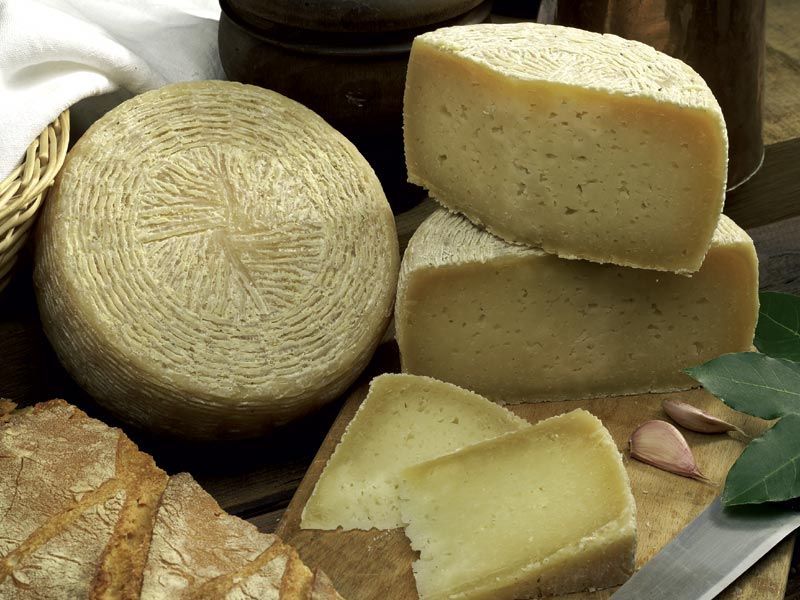
Canestrato di Castel del Monte
One of the most traditional cheeses of Abruzzo, Canestrato di Castel del Monte is deeply connected to the ancient pastoral culture of the Gran Sasso mountains. Historically, shepherds practiced transhumance, moving their flocks seasonally between the high pastures of Abruzzo and the milder plains of southern Italy. Today, sheep still graze in summer on the vast plateau of Campo Imperatore, giving the milk its distinctive mountain character.
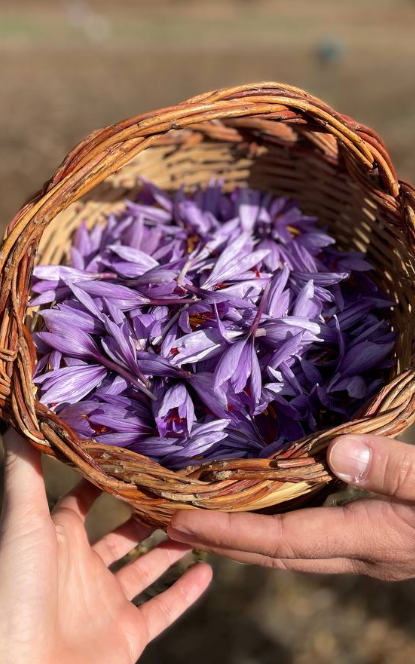
Saffron from Navelli and L'Aquila
Saffron from the Navelli Plateau has been cultivated in Abruzzo since medieval times. The small purple crocus flowers bloom for only a few weeks each autumn across the high plains between L’Aquila and the Gran Sasso mountains. Today saffron remains a symbol of Abruzzo’s agricultural heritage and is still used in traditional recipes throughout the region. Its intense aroma and vibrant color continue to reflect the patience, knowledge, and craftsmanship.
Living Traditions
Experience the Culture of Everyday Abruzzo
Abruzzo reveals its character through everyday traditions that continue to shape local communities. Seasonal festivals, pastoral culture, family-run farms, and village gatherings all reflect a rhythm of life closely tied to the land.
Craft Traditions
Discover Abruzzo’s Artisan Heritage
Across Abruzzo, traditional craftsmanship is still an essential part of everyday life. In small villages and mountain communities, artisans continue to practice skills that have been passed down for generations — from stone carving and woodworking to lace making and metalwork