What to Eat in Abruzzo: A Slow Food Guide to the Real Table
Forget what you know about Italian food. Abruzzo does things differently.
Why Abruzzo Food Is Different From the Rest of Italy
People arrive in Abruzzo expecting Italian food and leave having eaten something they have no category for. The cuisine here didn't develop in a court kitchen or a Michelin-starred restaurant. It developed at altitude, in cold winters, with sheep and fields and a particular stubbornness about doing things properly. The ingredients are specific to the region: saffron from Navelli (some of the finest in the world), lamb from the Apennine plateau, pecorino aged in caves, and lentils from mountain villages that most people couldn't find on a map. None of it tries to impress you. It just happens to be extraordinary.
The Dishes You Need to Try
Arrosticini
If you eat one thing in Abruzzo, make it arrosticini. Nowadays, it is the most well-known food. These are small skewers of sheep cut into thumb-sized cubes and cooked on a narrow charcoal grill called a furnacella. They take about three minutes over good heat and are eaten standing up, hot, with cheap white bread and Montepulciano d'Abruzzo. The flavour is rich and a little gamey, but clean. There is nothing quite like them anywhere else in Italy.
Pasta alla chitarra
Chitarra means guitar, and the pasta takes its name from the wooden frame strung with metal wire that is used to cut it. You roll the dough, then press it across the strings to produce a square-section spaghetti that grips sauce in a way round pasta never does. The classic pairing is a lamb ragu with a little chilli and a scattering of pecorino. In the Teramo area, they serve it with tiny meatballs. Both versions are correct. Who are we to judge? :)
Pallotte Cacio e Ova
This is a peasant dish that has survived precisely because it is so good: balls of aged cheese and egg, fried until golden, then finished in a simple tomato sauce. The recipe varies from kitchen to kitchen, and nobody will agree on the correct ratio of cheese to egg. Eating it at someone's house is an entirely different experience from eating it at a trattoria, which is itself an entirely different experience from eating it at a tourist restaurant.
Maccheroni alla Mugnaia
A thick, hand-pulled pasta from the Majella area, made by stretching the dough around a knitting needle, then pulling it off to leave a rough hollow tube. It's served with a lamb or pork ragu that has been cooking since morning. The pasta is chewy and substantial in a way that makes sense only if you've spent a morning walking on a cold Apennine hillside. In fact, most of the time you find it in mountain restaurants.
Scrippelle 'Mbusse
This is a dish that Teramo considers its own, and everyone else is just visiting. Thin crepes, folded into quarters, served in a clear broth of chicken or capon with grated pecorino over the top. It sounds minimal. It is perfect.
The Cheeses Worth Travelling For
Pecorino di Farindola
Made from raw ewes' milk and ripened with pig's rennet -- which is now extremely rare, perhaps unique in Europe. The resulting cheese has a flavour that is genuinely unlike any other pecorino: slightly sweet on entry, long and complex afterwards, with a texture that softens toward the rind. There are only a handful of producers left. Buying directly from one of them feels like being let in on something important.
Caciocavallo
A stretched-curd cheese, aged in pear-shaped rounds hung in pairs by a cord. The young version is mild and slightly elastic. The aged version is nutty, assertive, and excellent over pasta. Both are eaten after meals with honey from chestnut flowers.
The Wine at the End of Everything
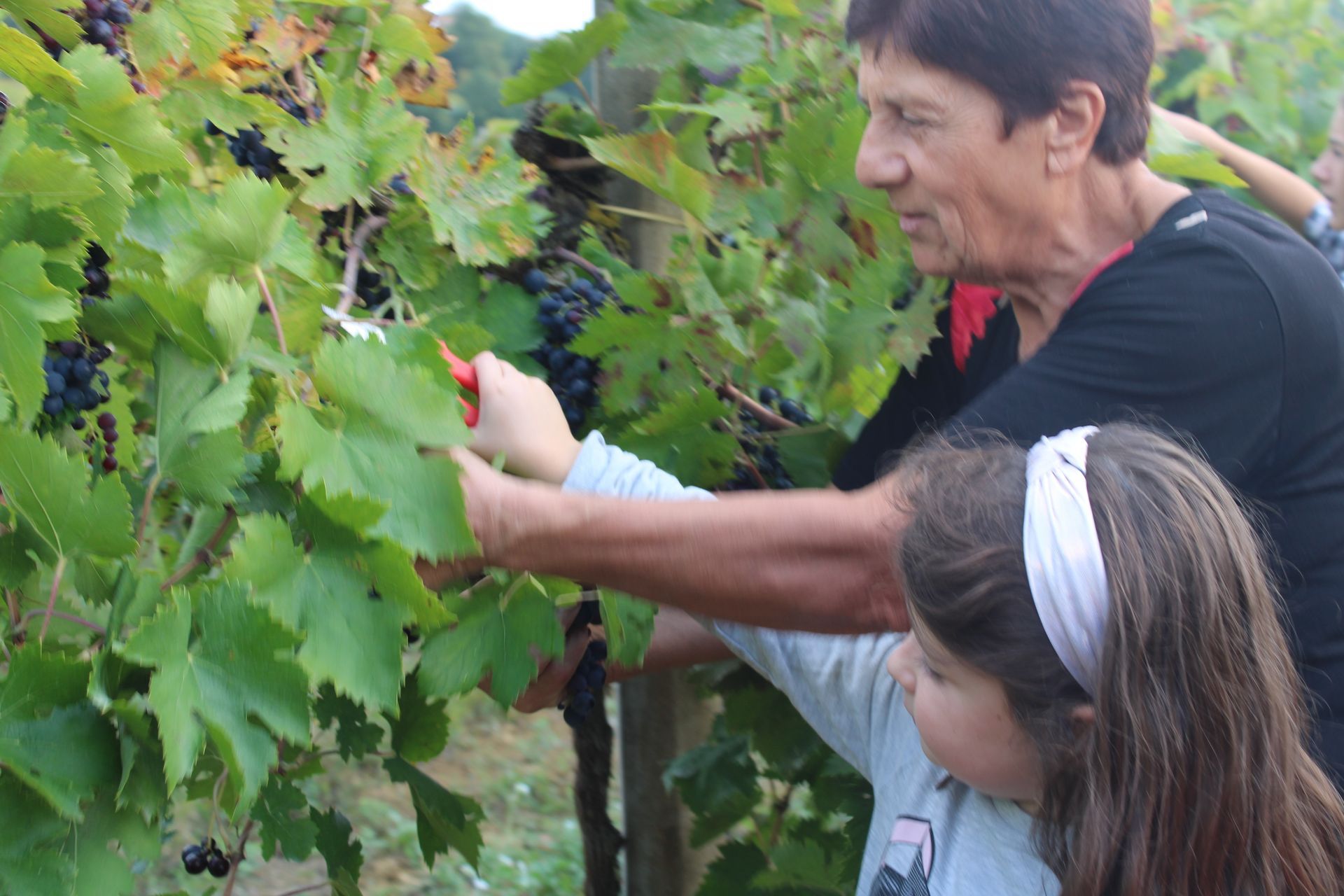
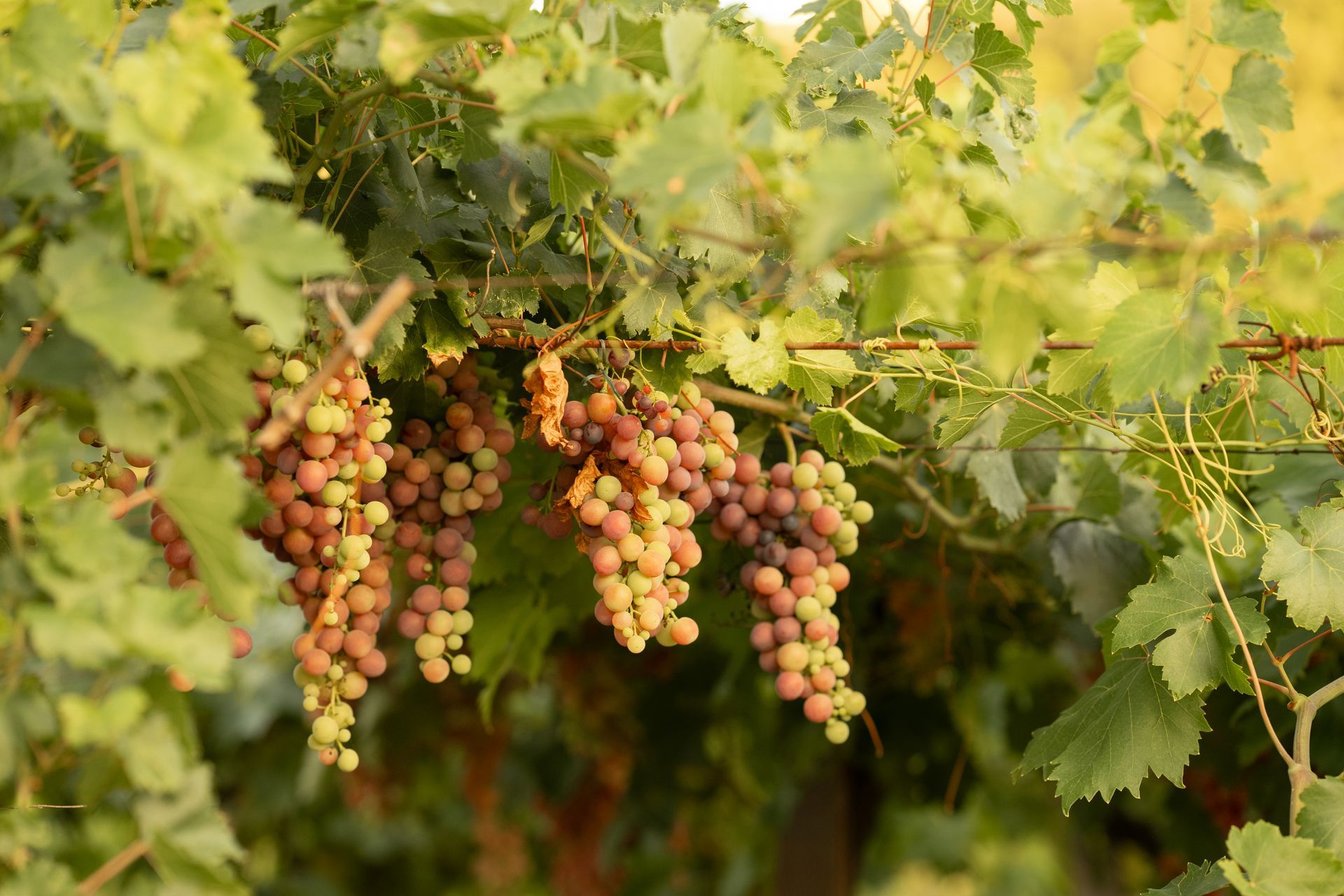
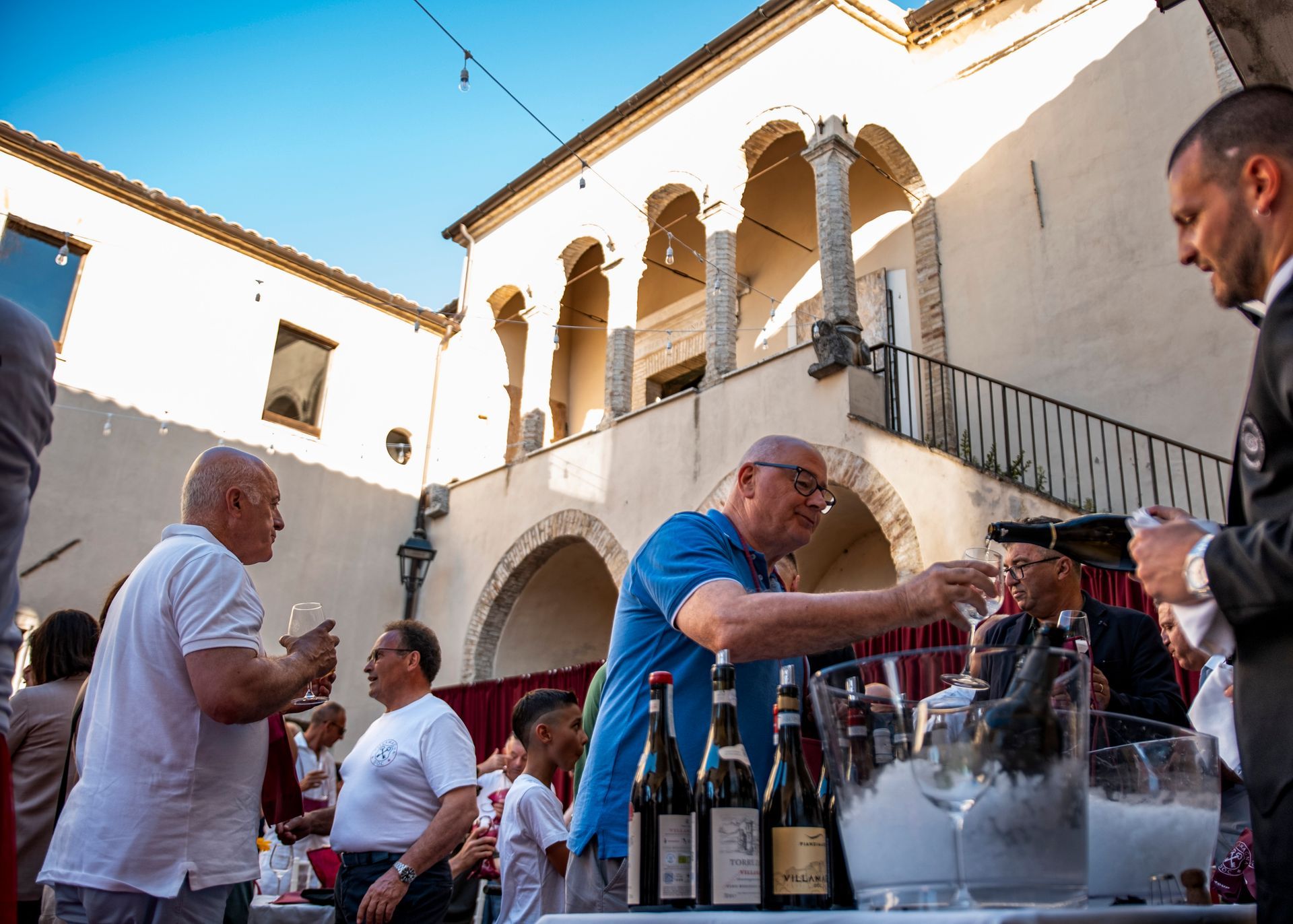
Montepulciano d'Abruzzo is one of Italy's most underrated red wines. It has a volume of search that tells you people are curious, and a CPC that tells you the wine trade knows its value. Outside Italy it tends to be sold as an affordable everyday wine, which is accurate at the lower end but completely misses what it becomes from serious producers working the coastal hills between Pescara and Lanciano. Trebbiano d'Abruzzo is the white counterpart: at its best, from producers like Valentini, it is one of Italy's greatest white wines by any measure. At its most everyday, it is honest and good.
Pecorino (the grape) is the one most visitors fall in love with first. It's lighter and more aromatic than Trebbiano, easier to drink in quantity, and pairs beautifully with the seafood of the Adriatic coast.
Saffron: The Red Gold of the Navelli Plateau
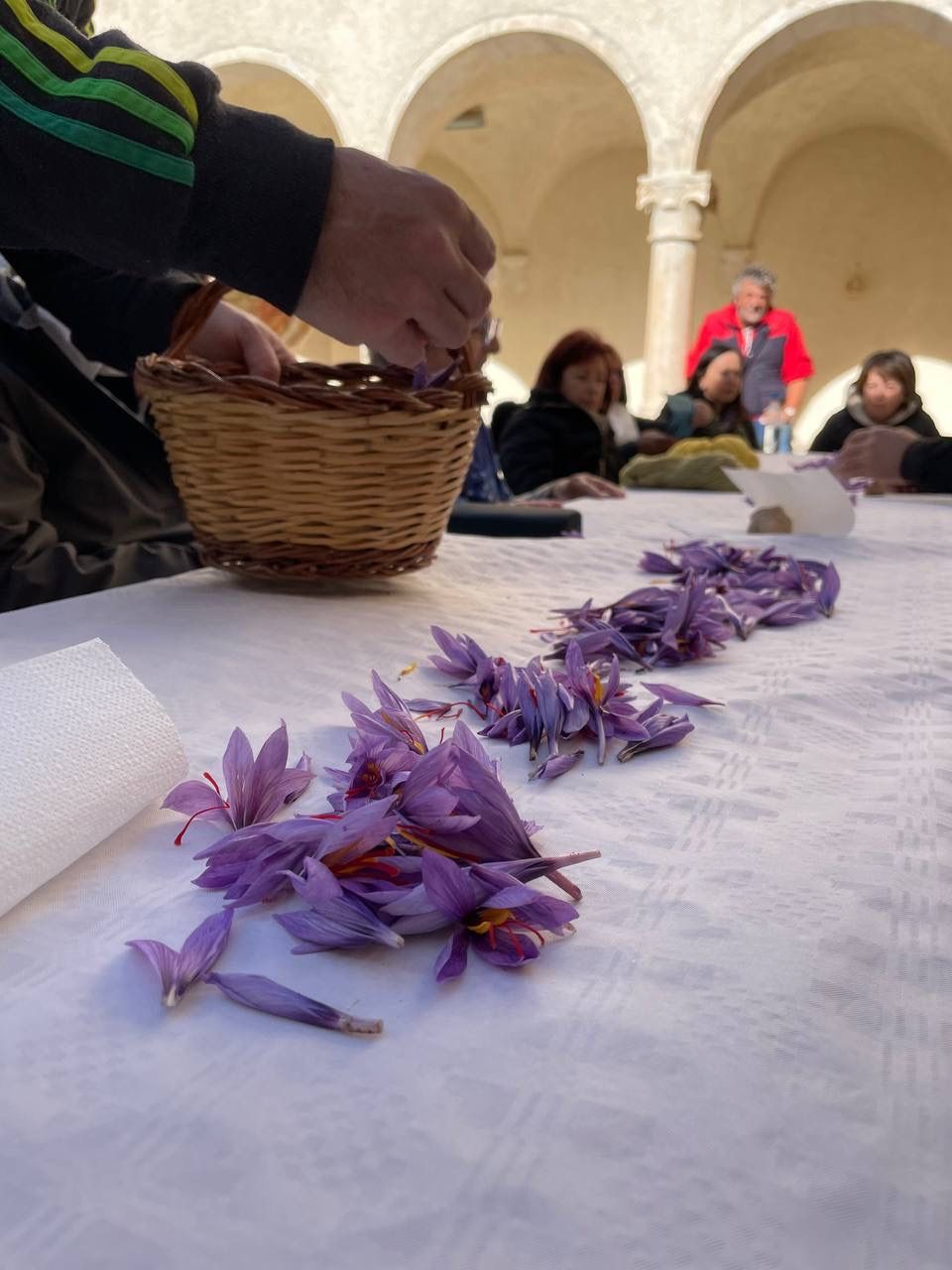
Abruzzo produces some of the most prized saffron in the world. The village of Navelli, on a high plateau above L'Aquila, has been cultivating it since at least the 13th century. The harvest happens in October, by hand, before dawn, when the crocus flowers are still closed. A single kilogram of dried saffron requires roughly 200,000 flowers. It costs accordingly. A small envelope of it, bought at the source, is one of the most worthwhile things you can bring home from Abruzzo.