The Art of Going Slowly: How to Experience Abruzzo Like a Local
Most people pass through. A few learn to stay.
Why Abruzzo Rewards the Unhurried Traveller
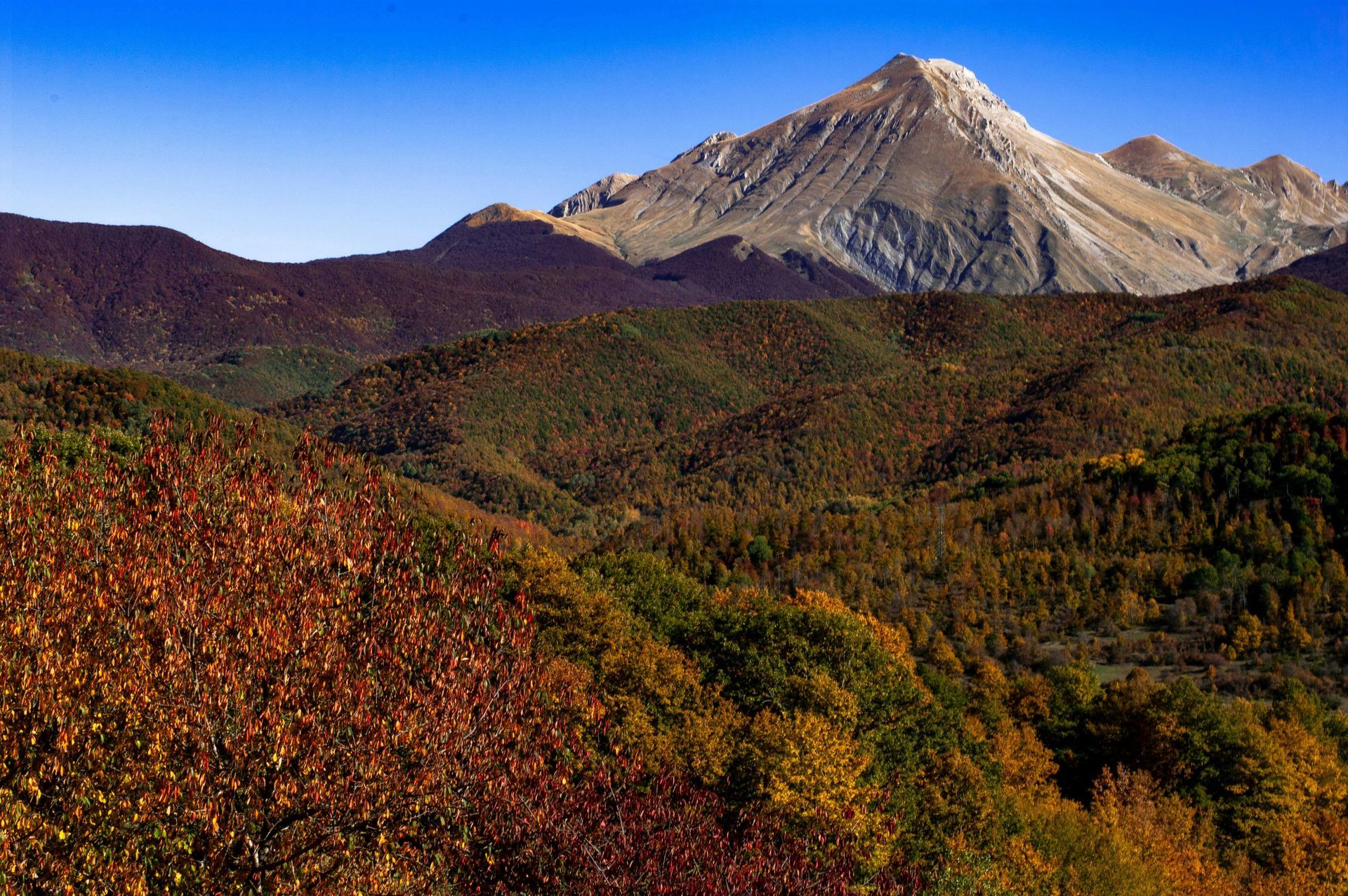
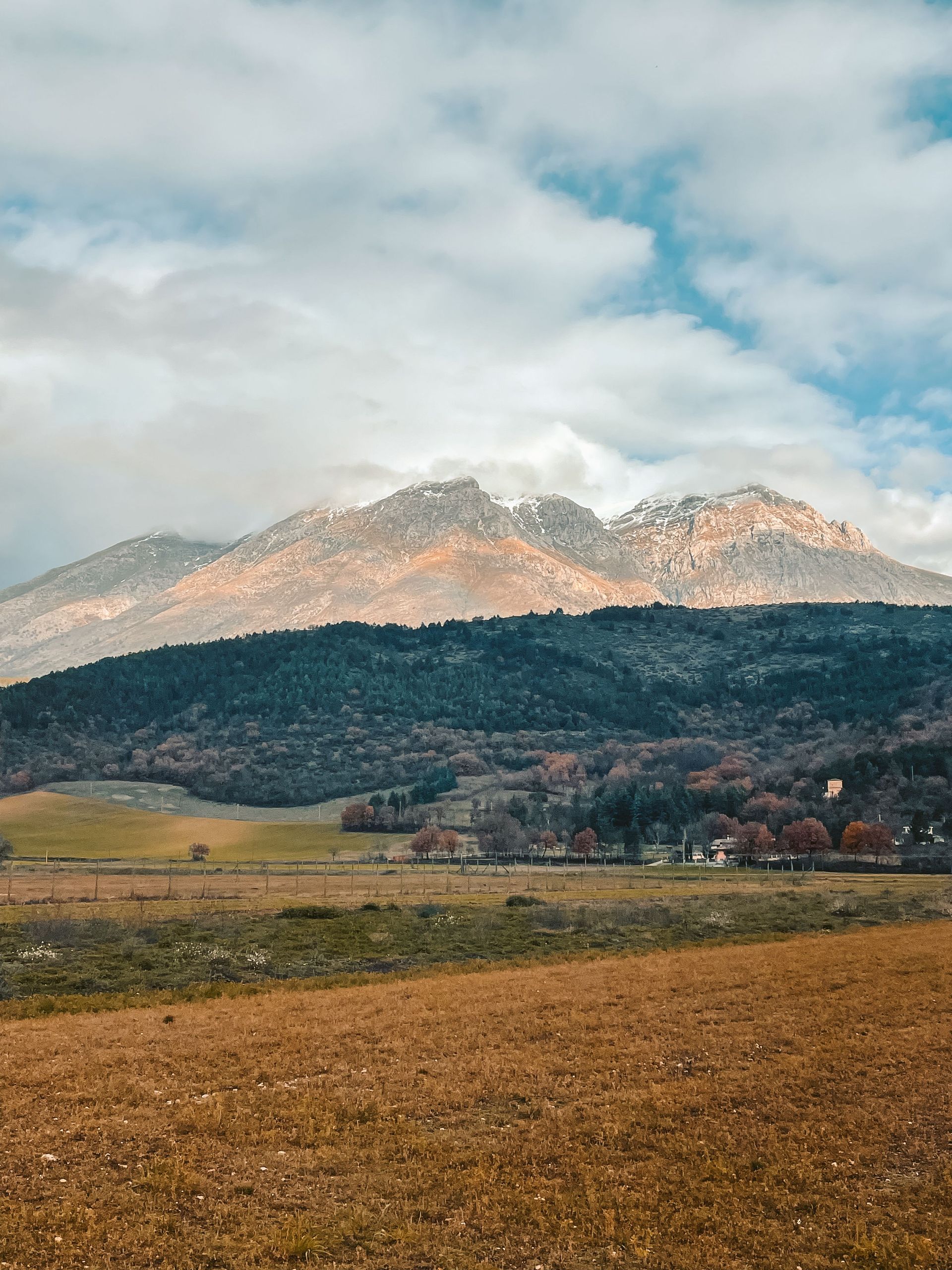
There is a moment — usually on the second or third day — when Abruzzo stops being a destination and starts being a place. It happens differently for everyone. For some, it's the silence at Campo Imperatore at dawn, nothing but cold air and the outline of the Gran Sasso above. For others, it's sitting at a zinc bar counter in a village of four hundred souls, drinking the best coffee of their lives, while the barista's grandfather watches from a corner chair.
This region does not perform for tourists. It simply lives — and if you slow down enough, it lets you live alongside it.
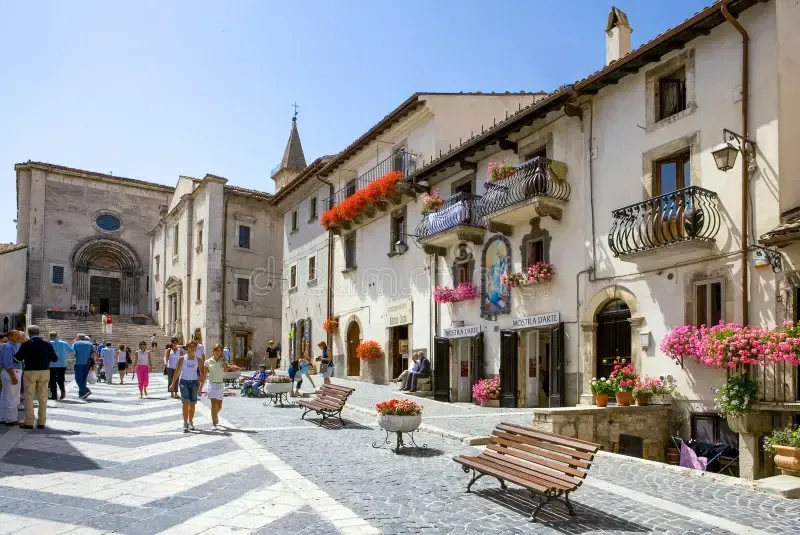
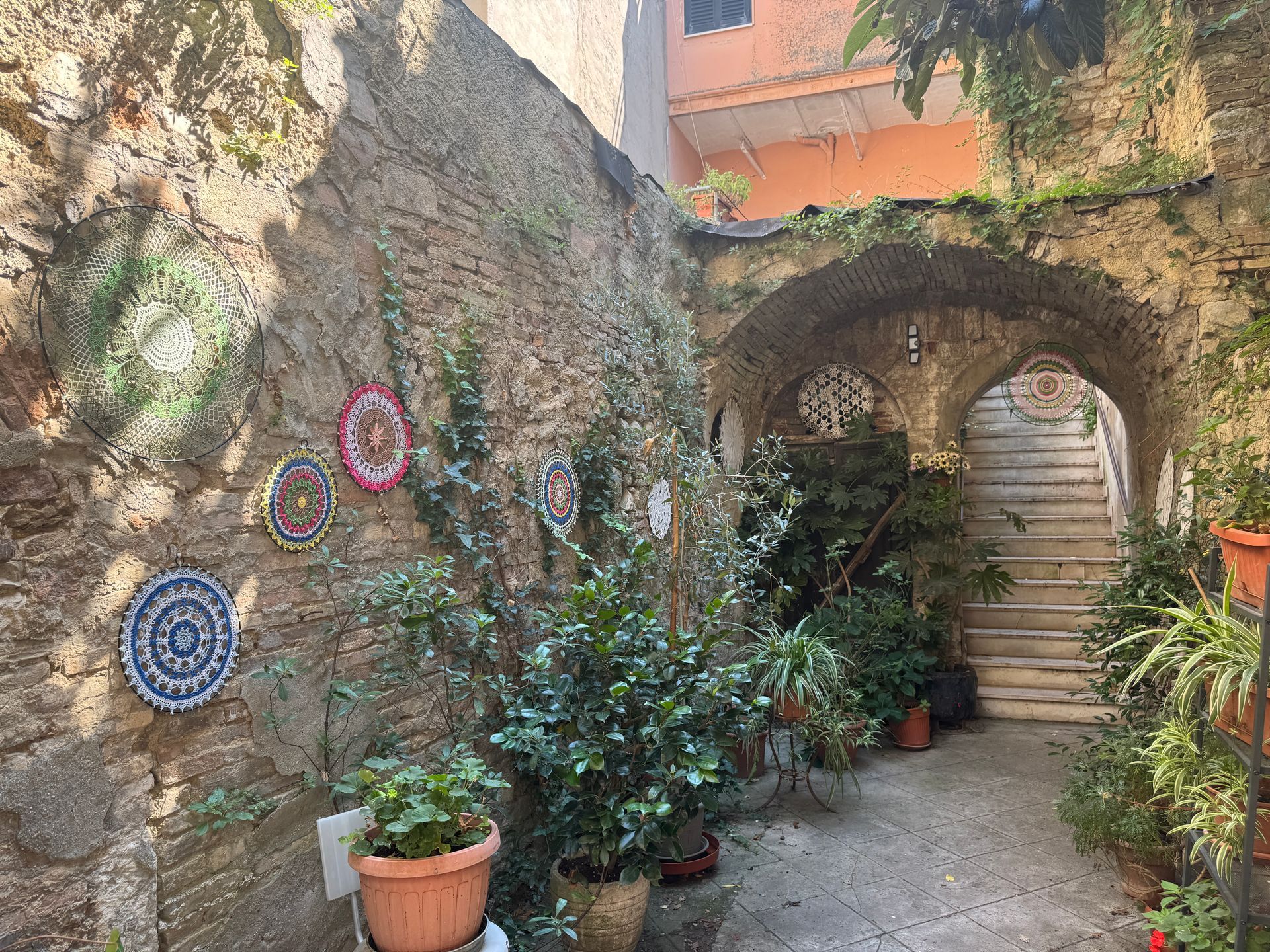
Abruzzo is still, by the standards of Italian tourism, largely undiscovered. There are no cruise ships here. No queues two hours long. What there is: three national parks, a coastline strung with ancient trabocchi fishing platforms, villages where medieval stone staircases double as cats' motorways, and a food culture so deeply rooted that grandmothers still make pasta by touch, not measurement. The reward for slowing down is access to all of it — on its own terms.
Start with One Place, Not an Itinerary
The reflex of modern travel is to plan. To list. To optimise. Slow travel in Abruzzo asks you to resist that.
Choose a Base Village, Not a Hotel Chain
Pick one village — we can help you with that — and let it become familiar. Walk the same street twice. Say good morning to those you meet. This is not wasted time; it is the whole point.
Leave the Mornings Unscheduled
In Abruzzo, mornings have a particular texture: the smell of bread from the forno, the sound of metal shutters rolling up, the rhythm of old men meeting in the piazza as though by appointment. You cannot plan to witness this. You can only be present enough to notice it.
Eat at the Pace of the Place
Abruzzo's food is slow in the oldest sense — not a philosophy stamped on a certificate, but a lived practice. Arrosticini are cooked on embers, not grills, and eaten standing up in conversation. A Sunday pallotte cacio e ova — cheese and egg fritters in tomato — takes all morning to make and all afternoon to justify.
Follow the Sagre
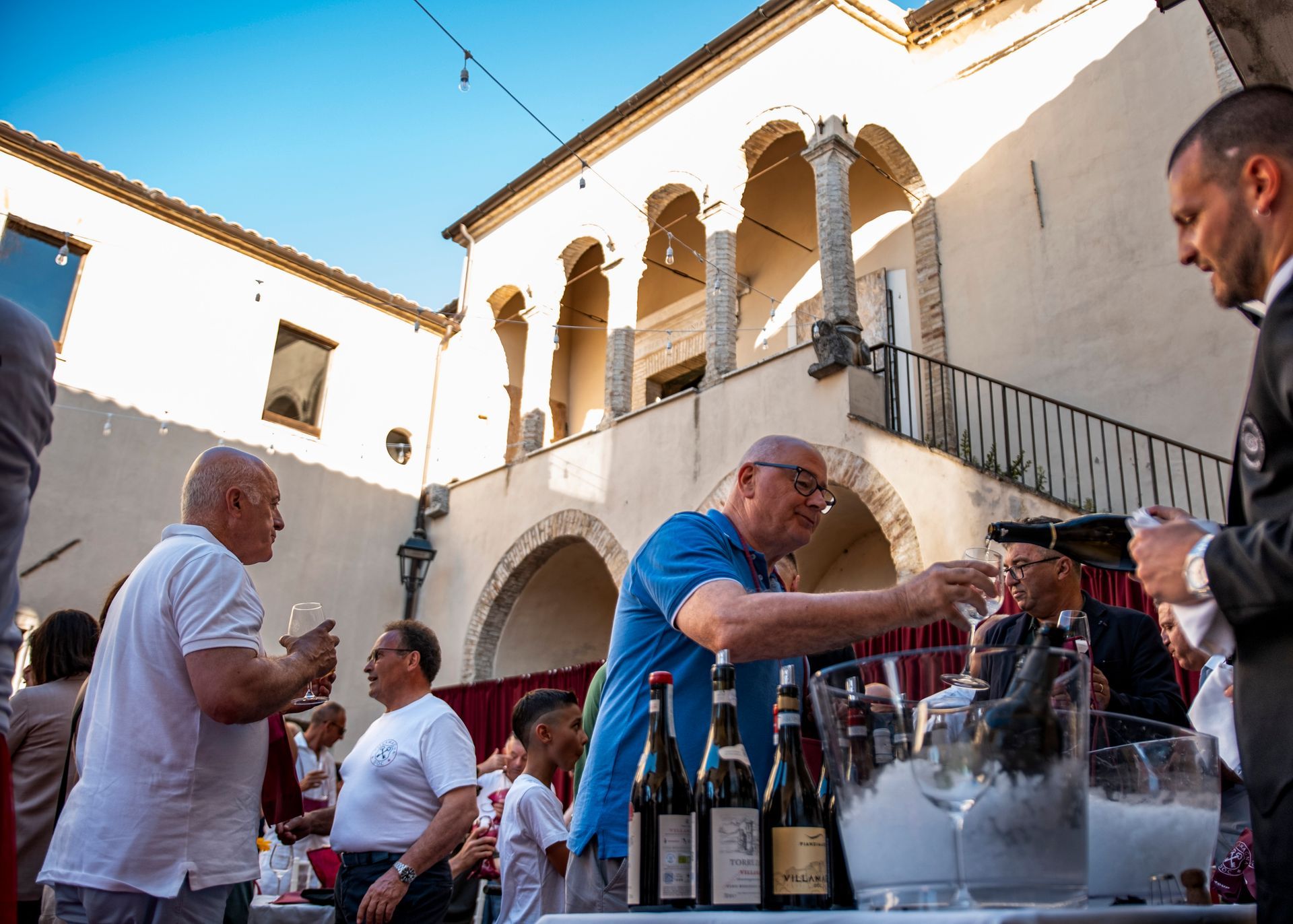
Every season, Abruzzo's villages host sagre — local food festivals built around a single ingredient or dish. Saffron in Navelli. Lentils in Santo Stefano di Sessanio. Polenta in Campotosto. These are not tourist events; they are communities feeding themselves and inviting you to pull up a chair.
Buy at the Market, not the Supermarket
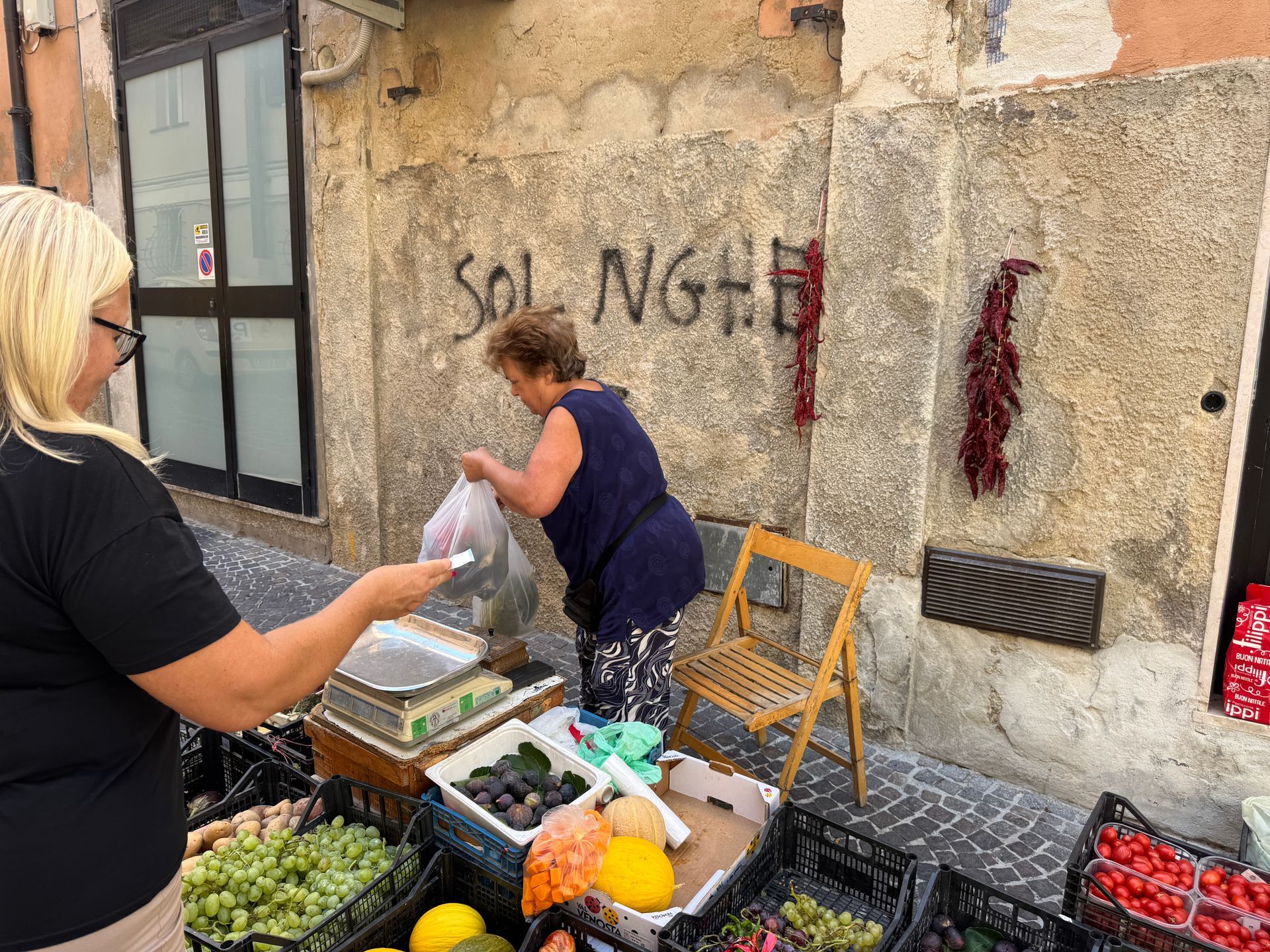
The weekly market in any Abruzzo town is a lesson in place. The vendors are farmers, shepherds, and cheesemakers who drive down from the altitude of the mountains. A wedge of aged pecorino here costs almost nothing and tastes like the mountain it came from.
Walk Where the Trail Has No Name
Abruzzo has marked hiking trails — on Gran Sasso, in the Majella, in the National Park — but the most honest paths are the mule tracks between villages that have connected communities for centuries. They are not on most maps. Ask at a bar. Someone will draw you a route on a napkin.
Slow travel means accepting that getting slightly lost is part of the itinerary.
Connect with the People Who Keep the Place Alive
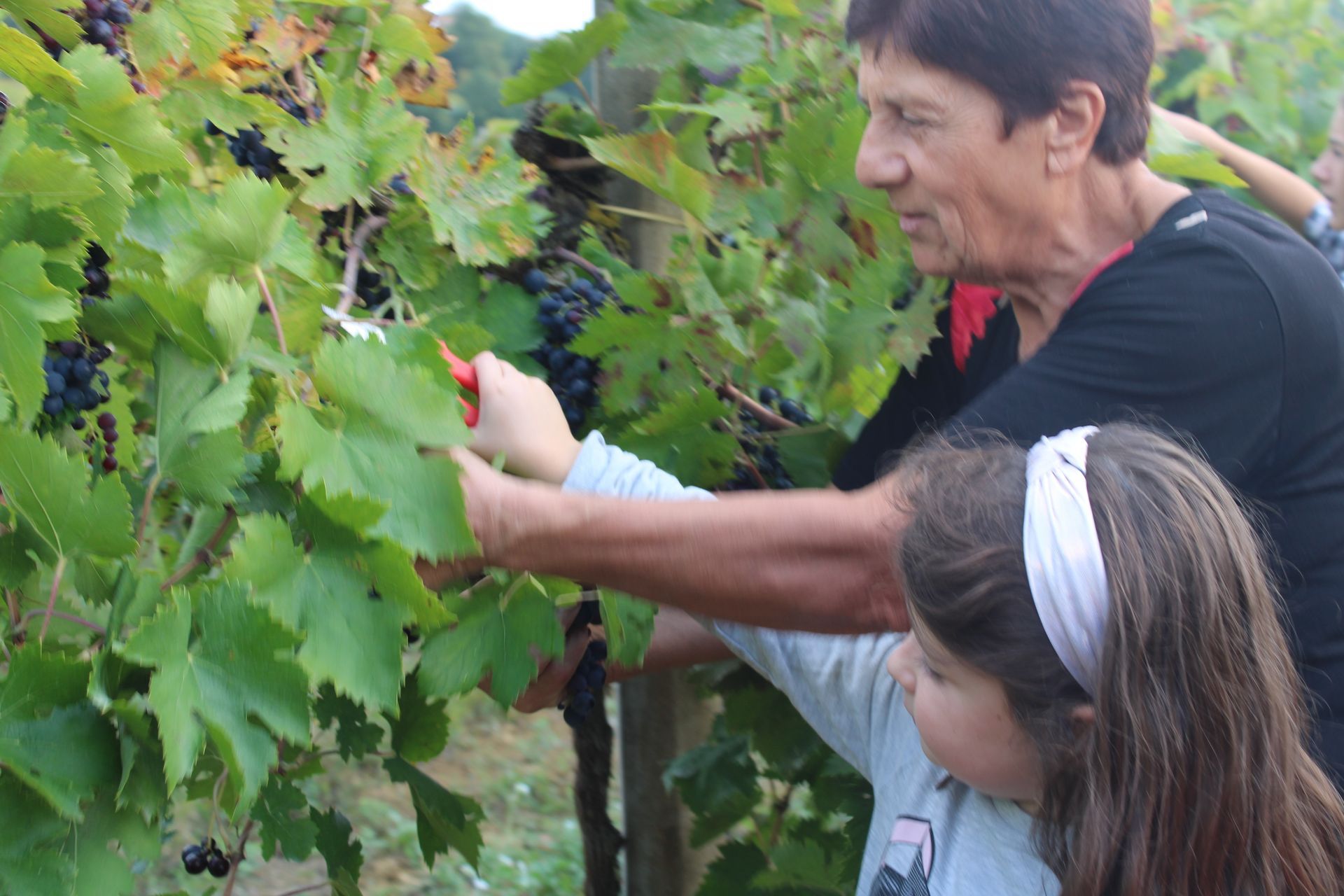
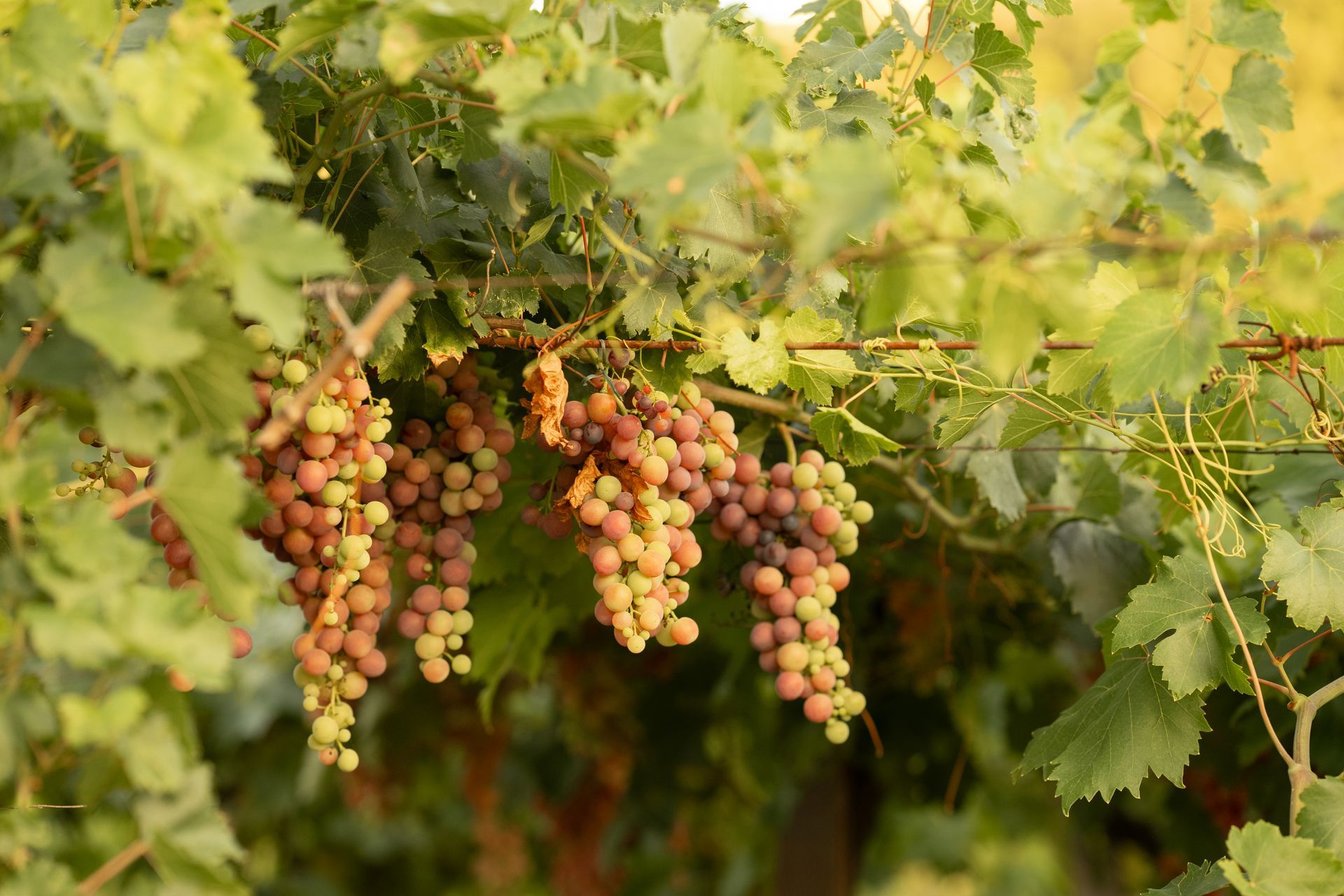
The shepherds who take their flocks to summer pasture on the Apennine plateau. The nonna who makes chitarra pasta in the kitchen of an agriturismo. The winemaker who still harvests by hand and doesn't have a website. These are not curiosities for photographs — they are the living architecture of a place that has resisted the pressures that erased the same culture elsewhere.
Slow travel in Abruzzo means asking before photographing, learning a few phrases in Italian, and sitting long enough at a table that a conversation becomes possible.