Escher & Abruzzo: A Dutch Artist’s Unexpected Connection to Abruzzo
Sources: Escher in het Paleis
I live in the Netherlands, where the name Maurits Cornelis Escher is part of the Dutch cultural DNA. School children recognize his impossible staircases. Museums celebrate his mathematical genius. His works hang in homes, offices, and public spaces.
But what many people — even in the Netherlands — don’t fully realize is how deeply Italy shaped him.
And more specifically: how Abruzzo left a lasting imprint on his artistic vision.
As we help travelers who seek authentic experiences, I see this connection as something truly special. It bridges North and South Europe. It connects art and landscape. It transforms a quiet Italian region into a place of international cultural importance. This is why we talk about Escher when we talk about Abruzzo.
Who Was Escher — And Why Does He Matter Here?
Escher (1898–1972) was a Dutch graphic artist famous for works like Relativity, Ascending and Descending, and Belvedere. His art plays with perspective, infinity, geometry, and visual paradox. At first glance, his prints seem mathematical and abstract. But their roots are surprisingly grounded in real places.
Between 1922 and 1935, Escher lived in Italy. During those years, he traveled extensively through central and southern regions, searching for dramatic landscapes and medieval architecture to draw.
He wasn’t chasing glamour. He was looking for structure. Abruzzo offered exactly that.
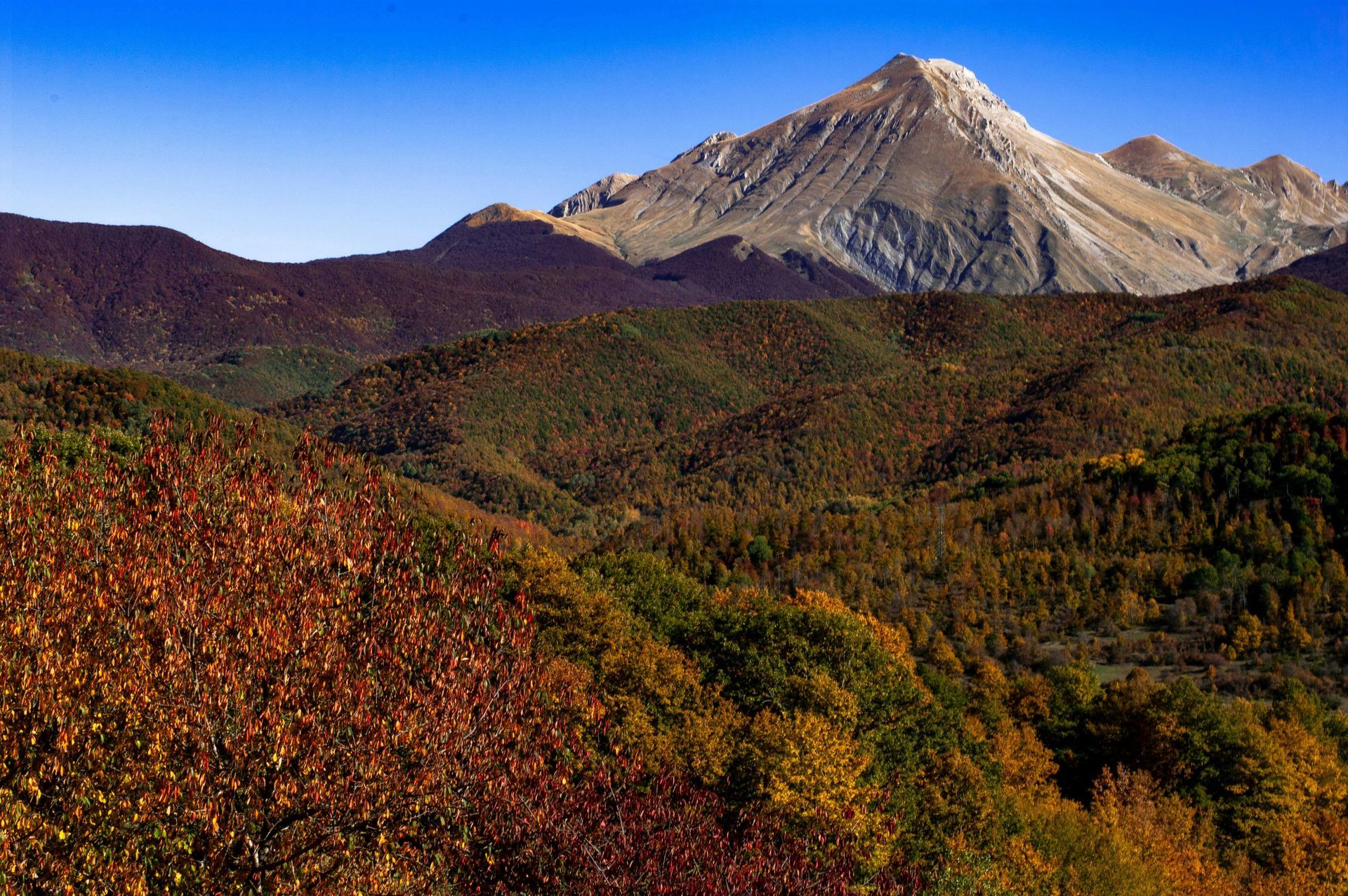
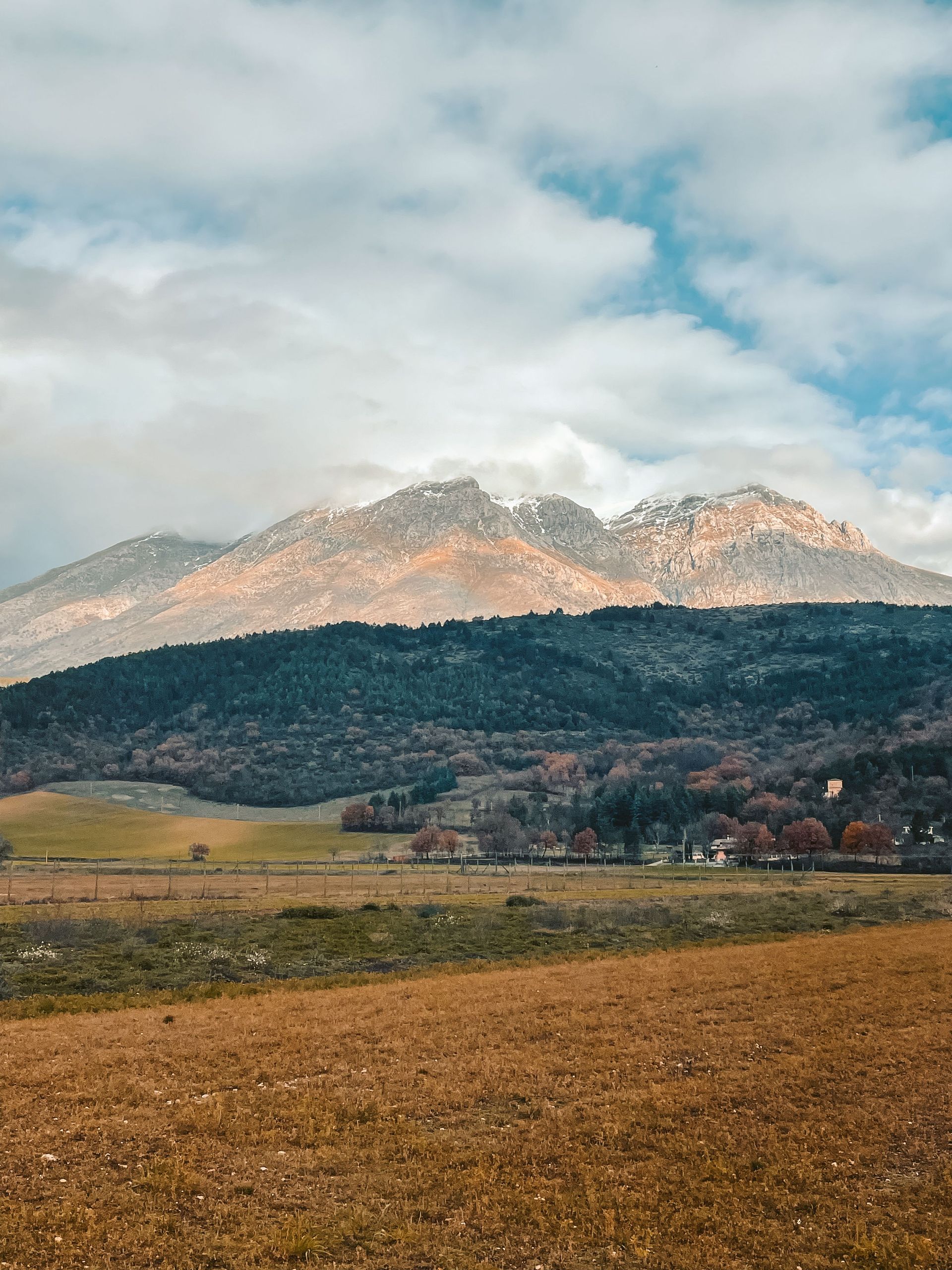
Unlike the polished beauty of Tuscany, Abruzzo is rugged, vertical, and deeply authentic. Mountain ridges cut sharply into the sky. Villages cling to cliffs. Staircases twist through narrow alleys. Light and shadow create natural contrasts that feel almost architectural. For an artist obsessed with perspective, Abruzzo was a living laboratory.
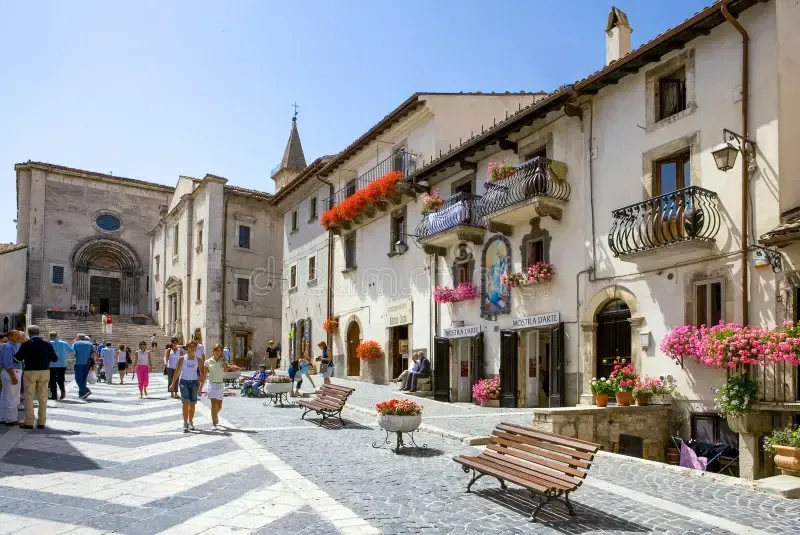
One of the most striking examples of this connection appears in his 1958 lithograph Belvedere. For years, art historians assumed the mountainous background was imagined. But research has shown that the landscape corresponds to the real terrain around Pettorano sul Gizio, a village in the province of L’Aquila.
In 1929, Escher traveled through Abruzzo and made numerous sketches of hill towns and valleys. Decades later, those drawings resurfaced in his studio — transformed into the surreal compositions that made him world-famous.
Why Did Escher Come to Abruzzo?
Escher arrived in Abruzzo not as a tourist, but as a seeker of inspiration. In the late 1920s, he was traveling through Italy with friends, exploring lesser-known regions. At that time, Abruzzo was remote and difficult to access. Roads were challenging. Infrastructure was limited. It was not on the typical route. But that isolation preserved something essential: authenticity.
Escher was fascinated by:
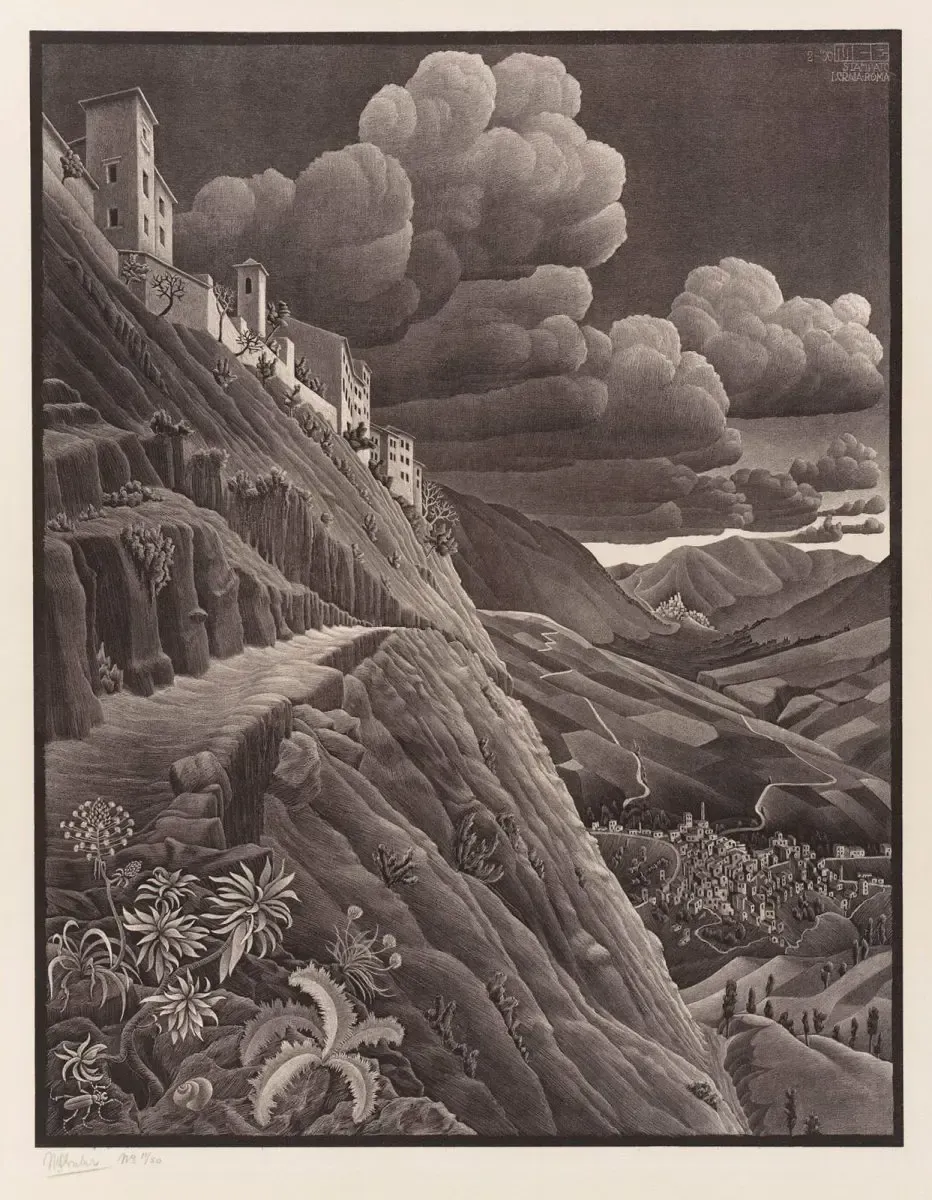
- Hilltop villages like Castrovalva
- The geometric rhythm of terraced houses
- The dramatic verticality of mountain landscapes
- The interplay between human construction and raw nature
What makes this even more interesting is that Abruzzo influenced not only his early landscape prints, but also his later, more abstract works. The mountains taught him perspective. The villages taught him structure. The steep terrain taught him vertical composition. Even when he moved away from pure landscapes and into impossible architecture, the memory of Abruzzo remained embedded in his visual thinking.
Where to Experience Escher’s Abruzzo — And How We Can Help
If you want to experience this connection for yourself, there are three meaningful stops to consider:
- Castrovalva
A tiny hilltop village dramatically positioned above the Sagittario Valley. Standing here, you can almost recreate Escher’s 1930 composition with your own camera. - Pettorano sul Gizio
The landscape that later appeared behind Belvedere. Quiet, authentic, and surrounded by mountains, it offers one of the most poetic panoramas in the region. - Scanno and the Sagittario Valley
An area of layered mountains, reflective water, and stone architecture — perfect for understanding how Escher studied form and contrast.
These are not crowded destinations. They are places for slow travel. For observation. For reflection. And that is where the true value lies.
If you would like a tailored itinerary focused on Escher’s Abruzzo — whether as a thematic day trip or part of a broader cultural tour — we would be happy to design it for you.
Simply contact us, and we’ll create a route that blends landscape, art history, and authentic local experiences. Because sometimes the most meaningful travel stories are the unexpected ones.
And the connection between a Dutch master and the mountains of Abruzzo is one of the most beautiful hidden stories Italy has to offer.