The Abruzzo Nobody Photographs: Hidden Gems Worth the Detour
Why Abruzzo Keeps Its Best Secrets Quietly
Abruzzo was, for centuries, deliberately hard to reach. The mountains closed it off from the coast. The valleys funnelled you in certain directions and refused you others. Roads came late. Tourists came later still — and many of the most extraordinary places were never added to the itinerary because they had no landmark, no famous name, no obvious reason to stop.
That is precisely why they are worth seeking.
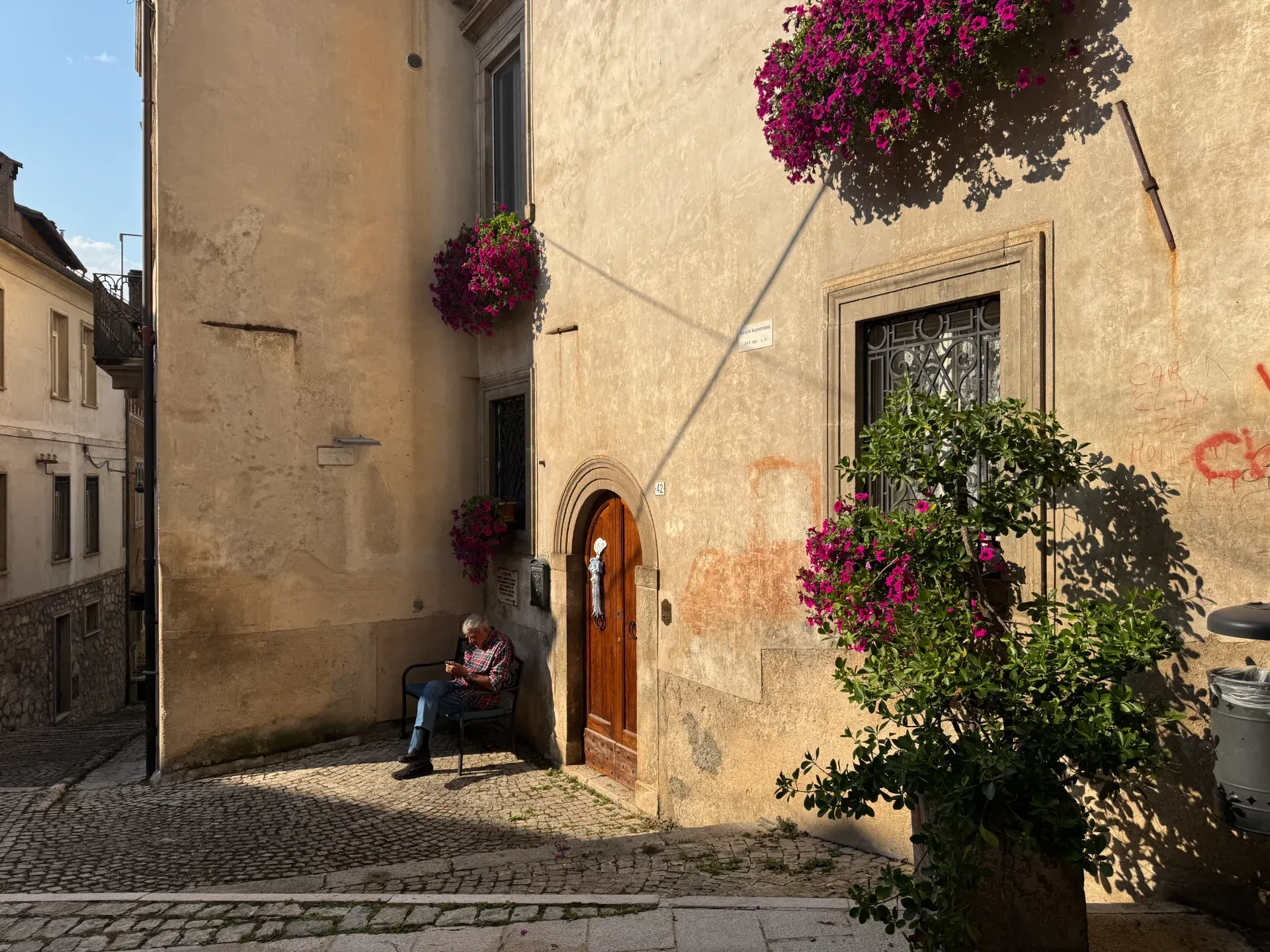
The Villages Search Engines Don't Mention
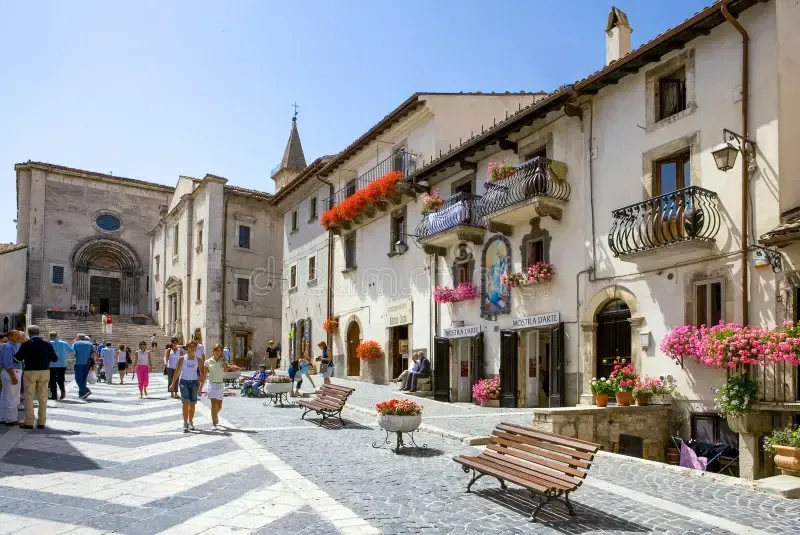
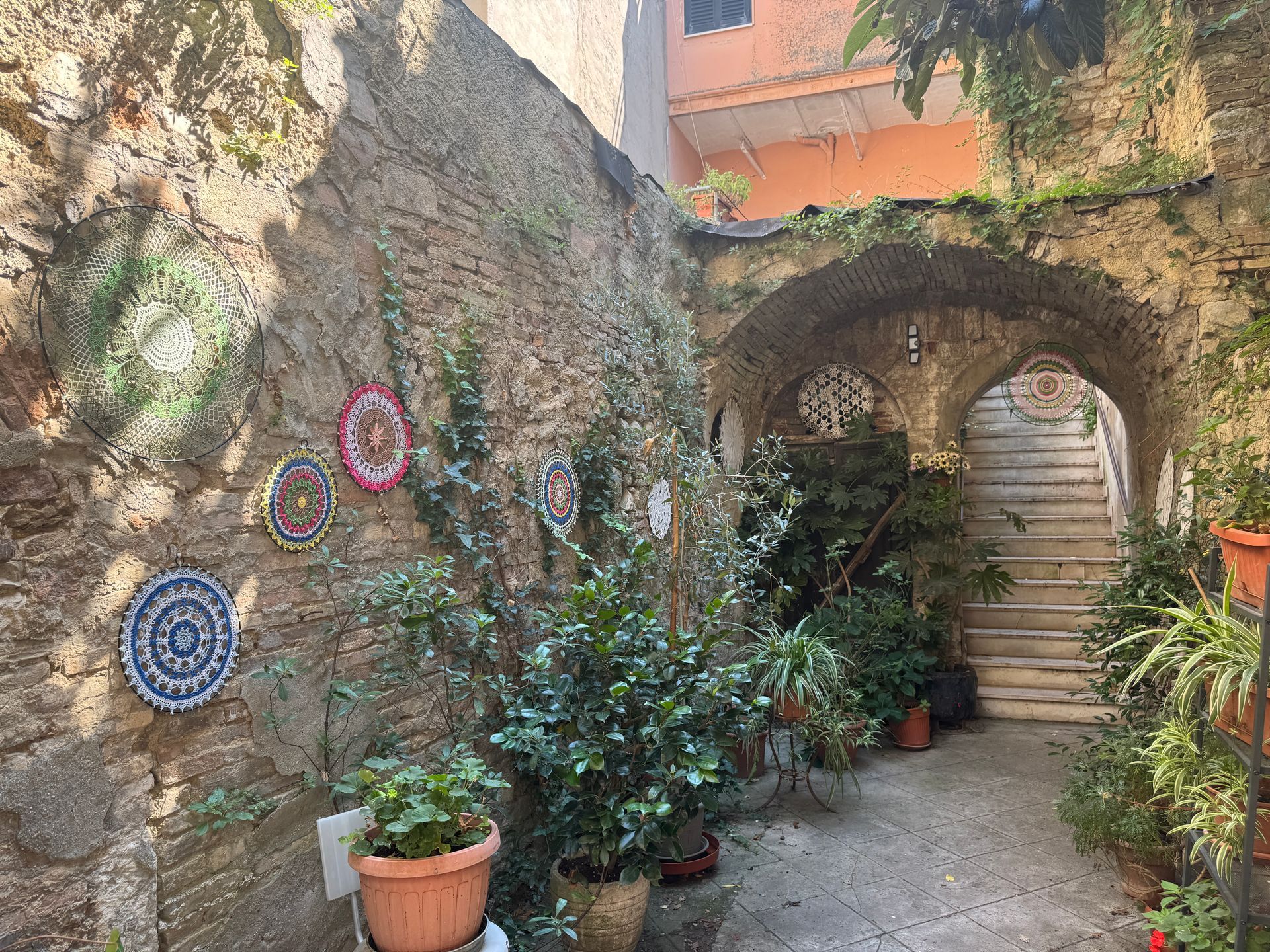
Italy has a formal list of its borghi più belli, most beautiful villages. Abruzzo has several on it: Civitella del Tronto, Pescocostanzo, Pacentro. These are genuinely beautiful and worth your time. But the villages that stop you in your tracks are often the ones beside them — the smaller, steeper, quieter places where no café has installed an English-language menu, and the cat on the church steps is the most photographed thing in town.
Caporciano. Carapelle Calvisio. Castel del Monte, not the Puglia one, the Abruzzo one, where the saffron fields glow gold in October, and the surrounding plateau looks like the surface of another planet.
The Tirino Valley — Italy's Best-Kept Corner of Peace
Most visitors to Abruzzo drive straight past the Tirino Valley on their way to somewhere else. This is a navigational tragedy. The Tirino is one of the clearest rivers in Europe. It rises from underground springs and runs cold and impossibly blue-green through a valley that feels sealed in time — working mills, poplar groves, herons fishing in shallows you could wade across barefoot. The valley has no resort infrastructure. You eat at a farmhouse, or you bring your own bread.
Kayaking the Tirino
Canoeing on the Tirino is one of those experiences that rewires your sense of what an afternoon can be. The current is gentle. The water is transparent down to the pebbles. You will see trout. You will not see another tourist. A few local outfitters run guided trips, none of them operating at scale.
Want to book the experience in the Tirino Valley? Contact us; we work in partnership with Il Bosso.
The Trabocchi Coast — Beyond the Famous Platforms
The trabocchi, ancient wooden fishing machines jutting into the Adriatic, have attracted attention in recent years, and rightly so. But the coast between these landmarks is still almost entirely unvisited: small fishing villages, trabocchi that have been converted into restaurants serving whatever came out of the net that morning, and roads so close to the sea that the salt reaches you through the car window.
Check what to do in the Trabocchi Coast with us.
The Altopiano delle Rocche
High above the Fucino basin, the Altopiano delle Rocche is a highland plateau that most Italians couldn't point to on a map. Scattered across it: Celano with its fortress above the plain, Ovindoli with its particular silence in the off-season, and walking trails connecting medieval towers that were once watch-posts for everything moving below.
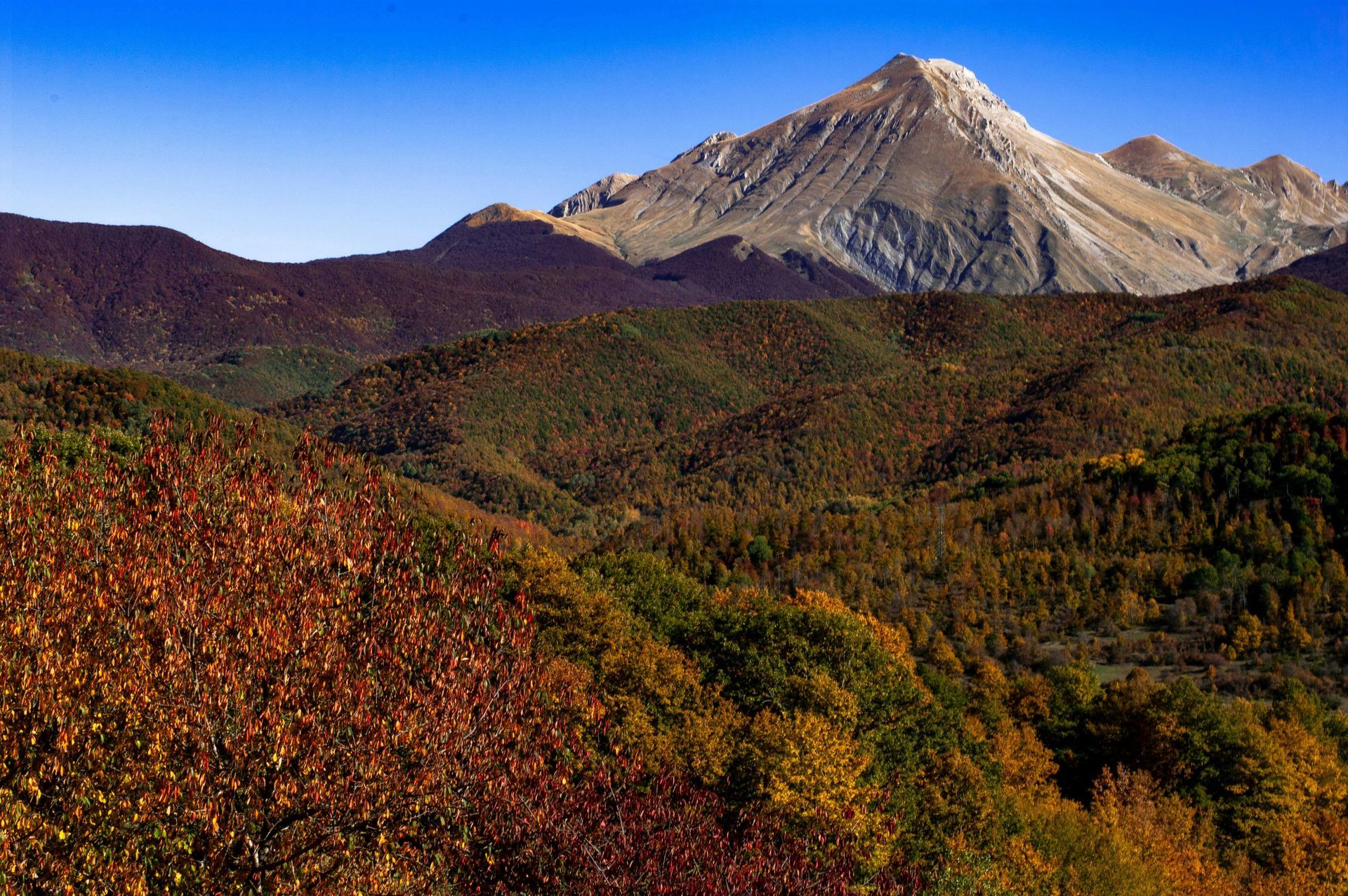
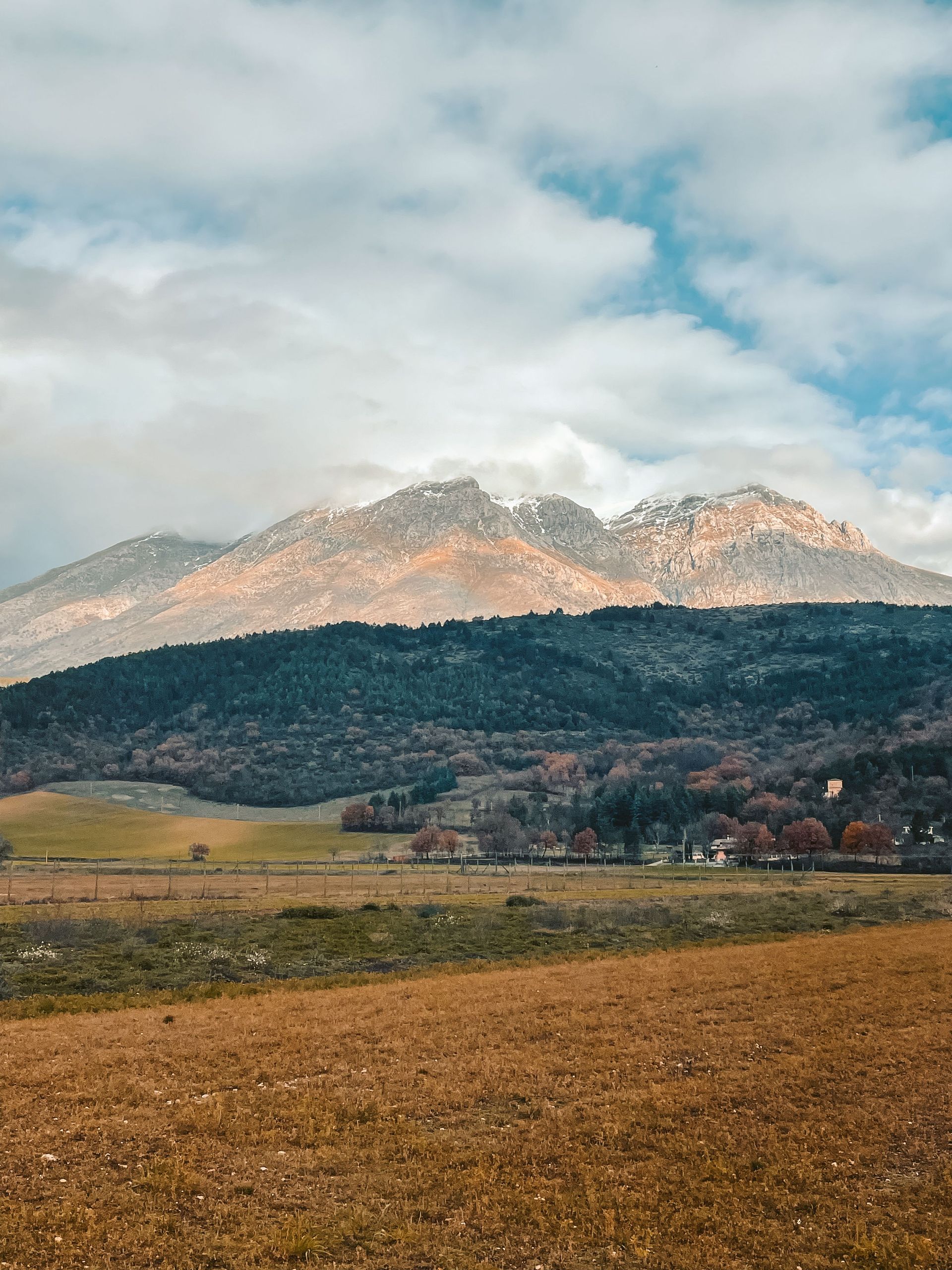
On a clear day from the plateau edge, you see both the Gran Sasso and the Maiella — the two great massifs of Abruzzo — at once. It is the kind of view that makes you rethink the word "landscape."
How to Find What Isn't Listed
The most reliable method for finding hidden Abruzzo is also the most unfashionable: ask people. Ask the owner of the bar where you have your morning coffee. Ask the woman at the alimentari (grocery store). Ask the man who sells you gas. Every person in Abruzzo carries a mental map of their immediate territory that no algorithm has yet replicated.
That is, ultimately, what we do at borGO — we lead you to the places that don't make it onto the list, because we know who to ask. Do you want to know more? We share it with respect.