Wolves at the Edge of the Village: The Wildlife of Wild Abruzzo
This is one of the last places in Western Europe where large predators still roam freely. That changes how a place feels.
Important: we share about Abruzzo wildlife but we kindly invite you to keep your distance from them. They are not a circus for tourist.
The Return of the Wild
For most of Europe, large predators are a memory — in museum dioramas, in fairy tales, in the anxious imagination of children. In Abruzzo, they are present tense.
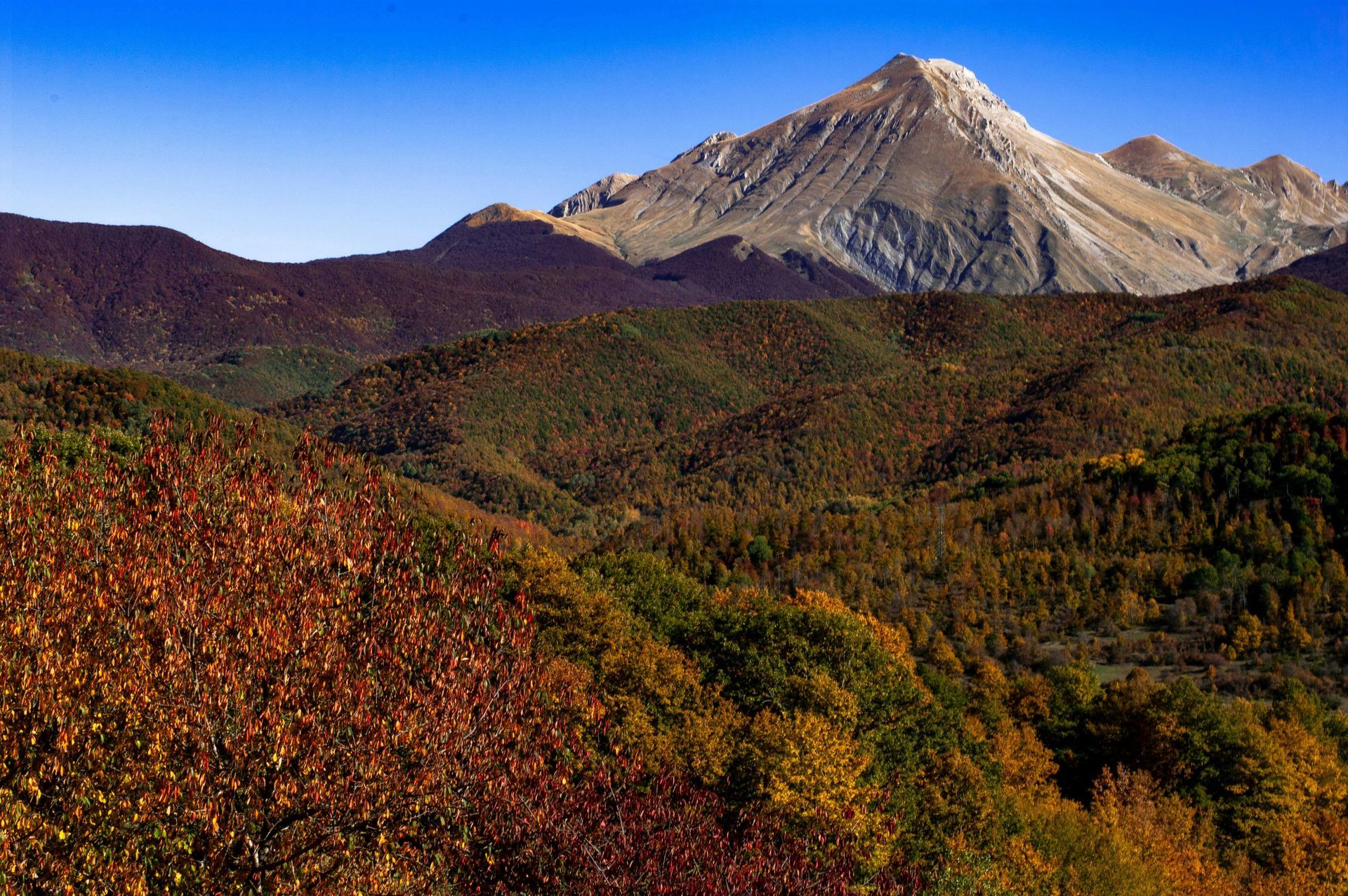
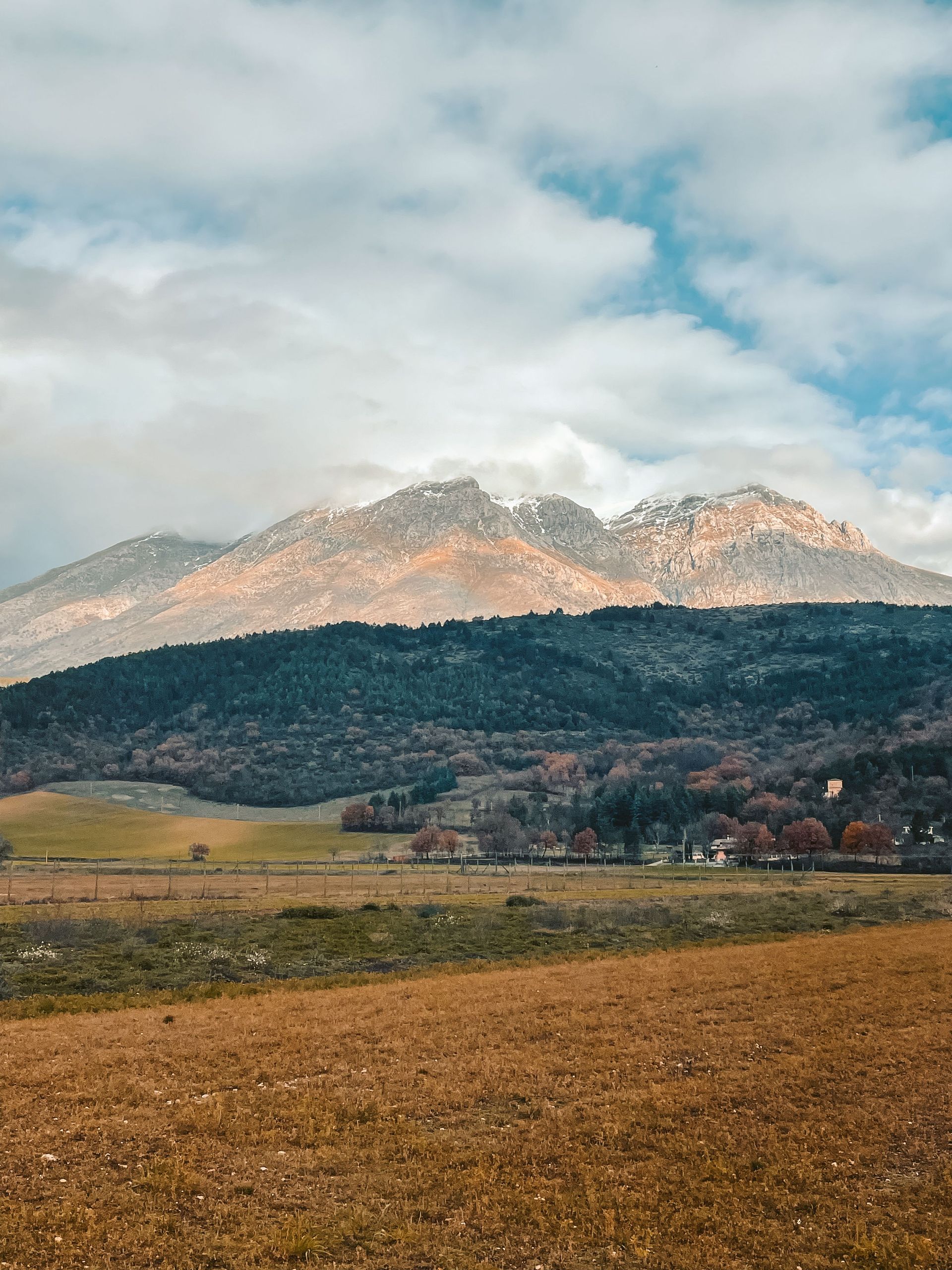
The Apennine wolf — smaller and more secretive than its northern European cousins — moves through the forests of the Gran Sasso and Majella national parks and, more quietly, through the valleys between villages. The Marsican brown bear, a subspecies found only here, numbers somewhere between 60 and 90 individuals. It is one of the rarest large mammals in Europe. It lives in and around the Abruzzo, Lazio and Molise National Park, the oldest national park in Italy, established in 1922 precisely to protect it.
Should You Be Worried?
In the entire modern history of the Marsican bear, there has been no recorded fatal attack on a human. These are bears that have evolved alongside human settlement for centuries, and they have learned — perhaps better than we have — to keep a respectful distance.
What "Sharing Territory" Actually Means
The wolves and bears of Abruzzo are most commonly encountered as paw prints in morning mud, a silhouette at the edge of a headlight beam, or the distant sound of sheep dogs barking more urgently than usual. The experience of being in a landscape where these animals exist changes the quality of attention you bring to it. Suddenly, the forest is not a backdrop. It is inhabited.
What to Do if You See One
For bears: stay calm, do not run, make yourself known by speaking in a low voice, and back away slowly. Do not approach. For wolves: the same, though encounters are rarer — wolves are expert at not being seen. In practice, most visitors to Abruzzo's national parks hike for days without seeing either. The knowledge that they are there is, in its own way, the experience.
The Chamois, the Eagle, and the Others
The large predators get the headlines, but Abruzzo's wildlife inventory is extraordinary at every scale.
- Apennine chamois — cliff-adapted mountain goats, nearly extinct in the 1960s, now numbering in the thousands, thanks to the national park
- Golden eagles — nesting pairs visible riding
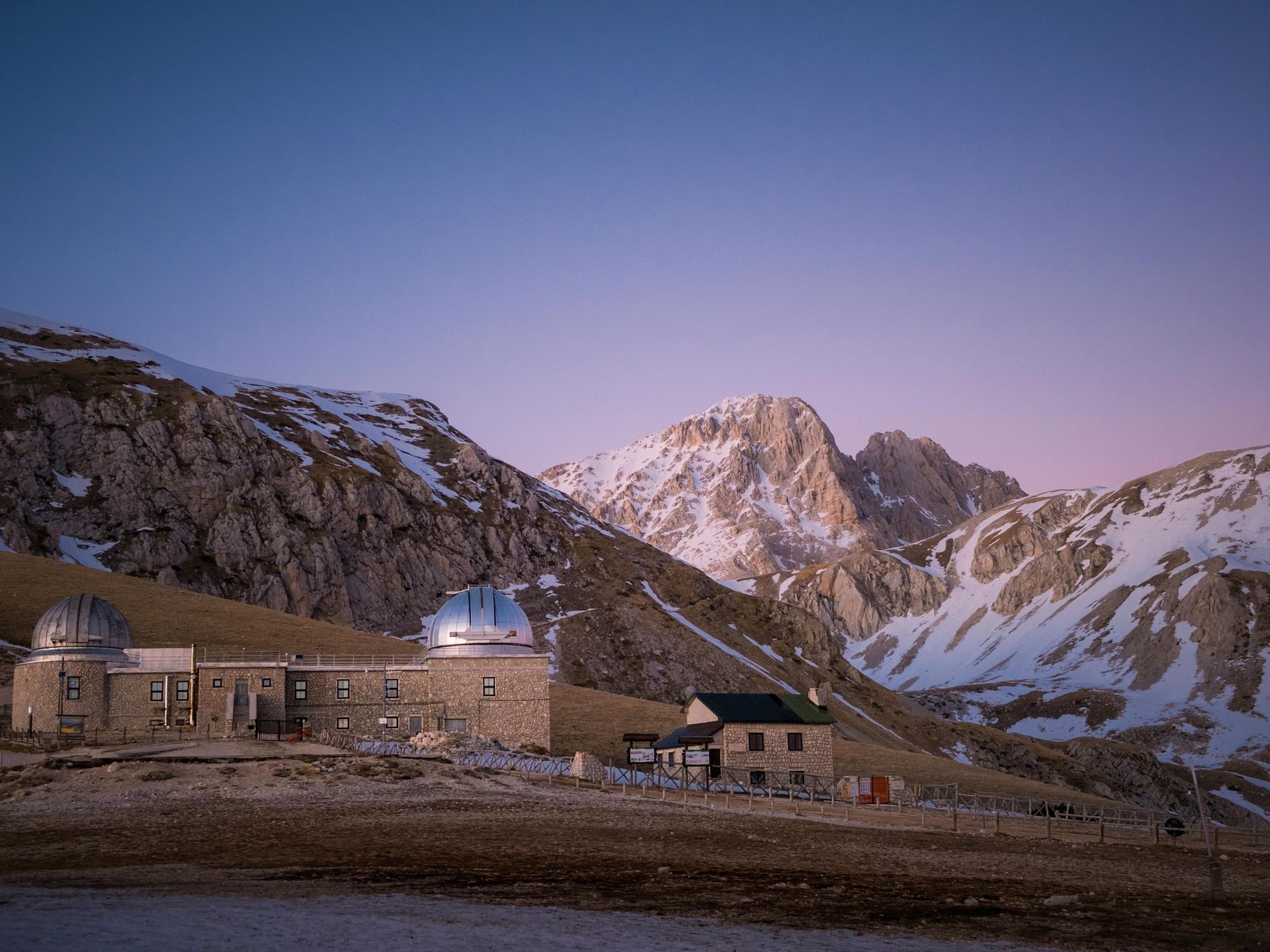
Please, respect nature!
Abruzzo has the fame of being the most untouched and authentic region, also because of its wildlife. As a tour operator that aims to support the region with sustainable travel, we kindly ask you to respect animals. Do not be a tourist, Abruzzo does not need.
Connect with the People Who Keep the Place Alive
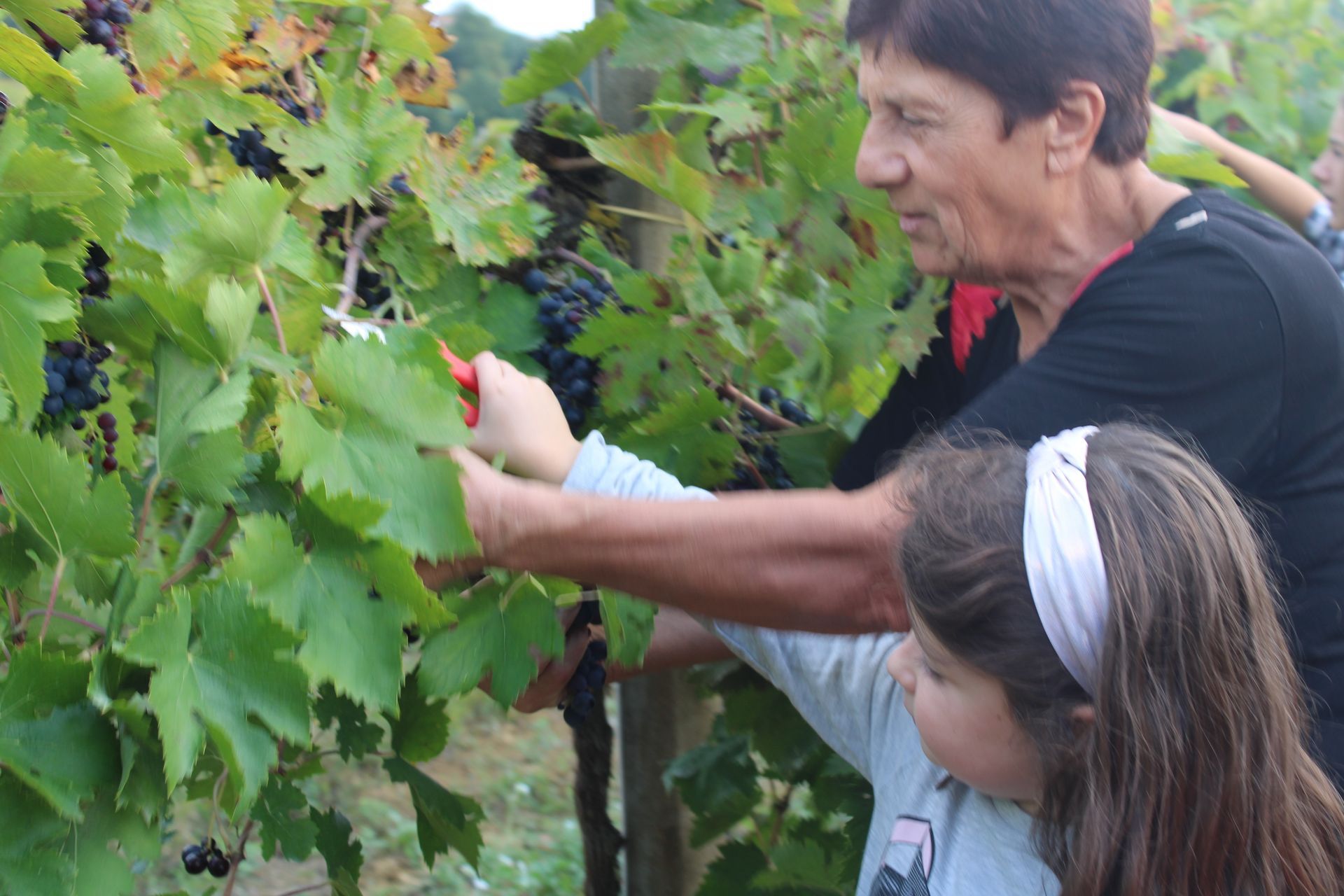
The shepherds who take their flocks to summer pasture on the Apennine plateau. The nonna who makes chitarra pasta in the kitchen of an agriturismo. The winemaker who still harvests by hand and doesn't have a website. These are not curiosities for photographs — they are the living architecture of a place that has resisted the pressures that erased the same culture elsewhere.
Slow travel in Abruzzo means asking before photographing, learning a few phrases in Italian, and sitting long enough at a table that a conversation becomes possible.