Flour on the Table: Why a Cooking Class in Abruzzo Will Change Your Trip
It starts with pasta. It ends with something harder to name.
This Is Not a Cooking School. It's Somebody's Kitchen.
The best cooking experiences in Abruzzo don't advertise much. They happen in farmhouse kitchens with low ceilings and a window looking out onto vegetable gardens. The teacher is usually a woman in her sixties who has been making the same pasta for fifty years and finds it genuinely puzzling that anyone would need instruction. That is, honestly, where the magic is.
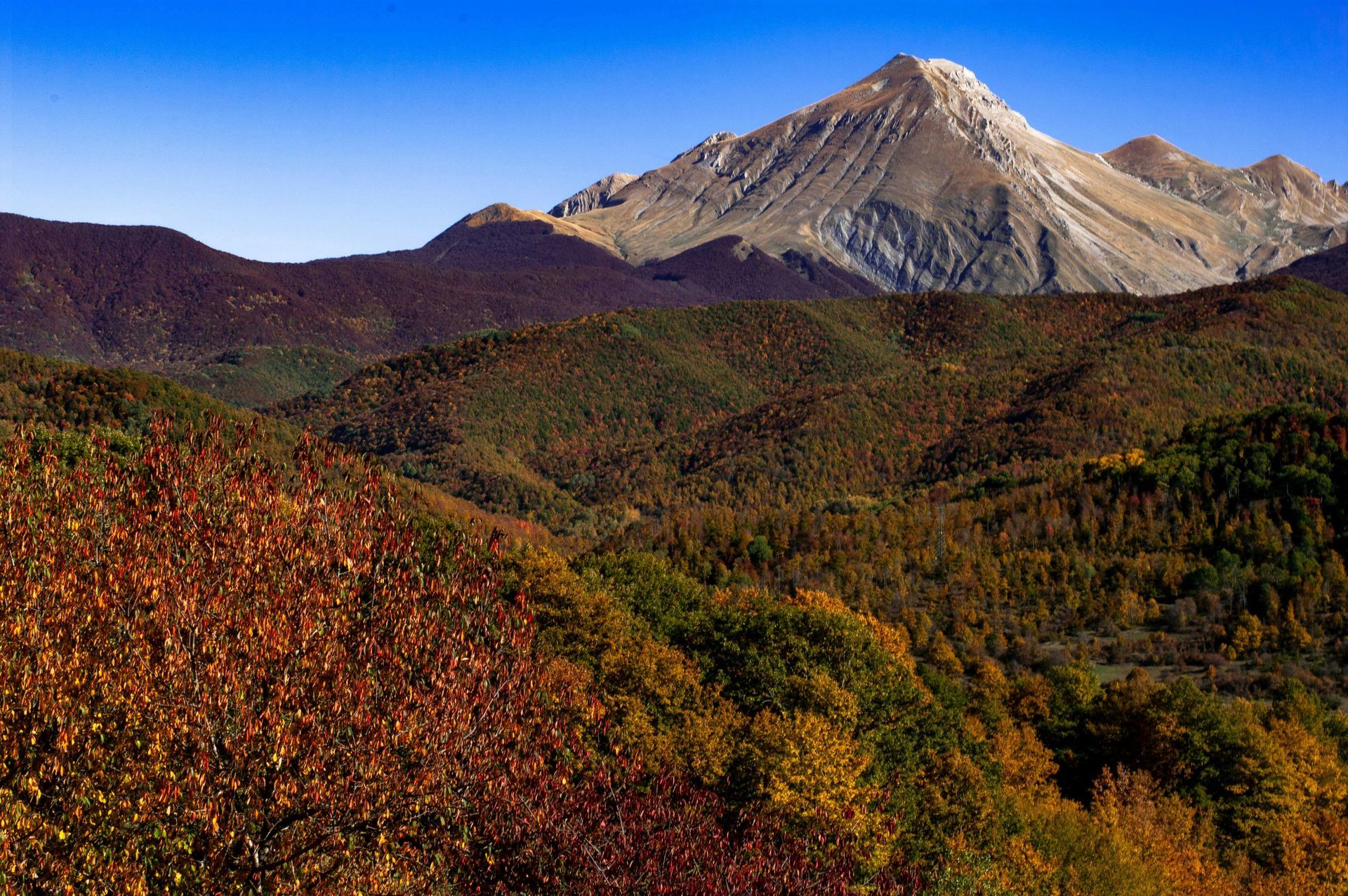
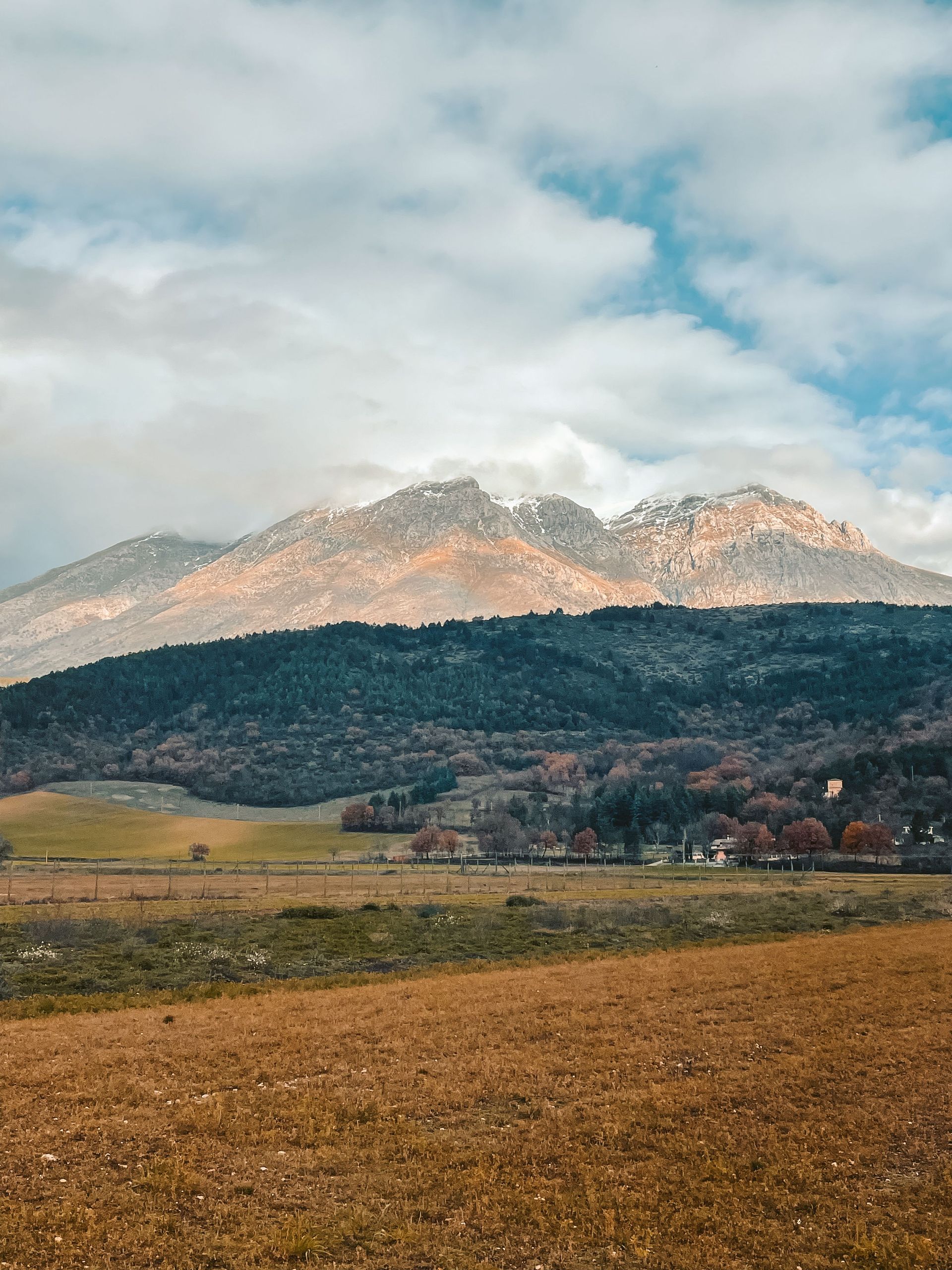
Abruzzo has one of the most distinct and least imitated food traditions in Italy. The region sits at an altitude that shapes everything: the saffron grown on the Navelli plateau, the sheep that graze on Apennine grass, the lentils from Santo Stefano di Sessanio that take a full winter on the hillside before they end up in a pot. The food is not complicated; it is made with genuine products. It is just made with things that took a long time to become what they are, and prepared by people who know exactly why. You will not find dishes like those in Bologna or Naples, but food that comes right from the producer.
What You Will Actually Learn
Pasta by Hand, Not by Machine
Abruzzo is the home of pasta alla chitarra — fresh egg pasta cut across a wooden frame strung with metal wire, like a guitar. The shape it produces is a square-section spaghetti that holds sauce completely differently from round pasta. You learn this by doing it badly at first, then progressively better, with someone patient standing at your shoulder saying "piano, piano" until it clicks.
Most visitors say this single session changes how they cook back home. Not because they suddenly have a chitarra in their kitchen (though some do order one), but because they understood, for the first time, that the shape of pasta is not decorative. It is functional. It was decided by someone, for a reason, a long time ago.
We have different locations where we offer Pasta Making Classes. Contact us.
Arrosticini: The Ones You Make Yourself
Arrosticini are skewers of sheep meat, cut into small cubes and cooked on a narrow charcoal channel called a
furnacella. They are eaten standing up, in long company, with bread and local wine. They are not difficult to make, but there is a technique to the cut and a discipline to the fire that takes a little practice. Learning to make them is learning to understand why Abruzzo people eat the way they do: outdoors, slowly, talking.
The experience of making Arrosticini at the moment is only bookable for big groups (min 8). For info, contact us.
Sauces That Smell Like the Hillside
Pallotte cacio e ova (cheese and egg fritters in tomato), agnello alla scottadito (grilled lamb cutlets eaten so hot they burn the fingers), scrippelle 'mbusse (crepes in broth that the Teramo area considers a Sunday ritual) -- these are dishes with no international profile and no celebrity chef attached to them. They belong to a specific valley, a specific altitude, a specific tradition of feeding a family through winter with what the land and the flock provided.
Where to Find Authentic Cooking Experiences in Abruzzo
You will not find the best ones by searching on big engines. You find them by staying somewhere long enough for someone to say, "Come to my sister's place on Thursday morning." But a few agriturismi and local guides do offer structured experiences worth seeking out. The key question is simple: Does the person teaching actually cook this food for their own family? If yes, book it. If the experience was designed as a product for tourists, the knowledge is there, but something essential got left out.
At borGO, the cooking experiences we include in our tours are with people who are genuinely continuing a living tradition, not performing one.
The Wines That Belong at the Table
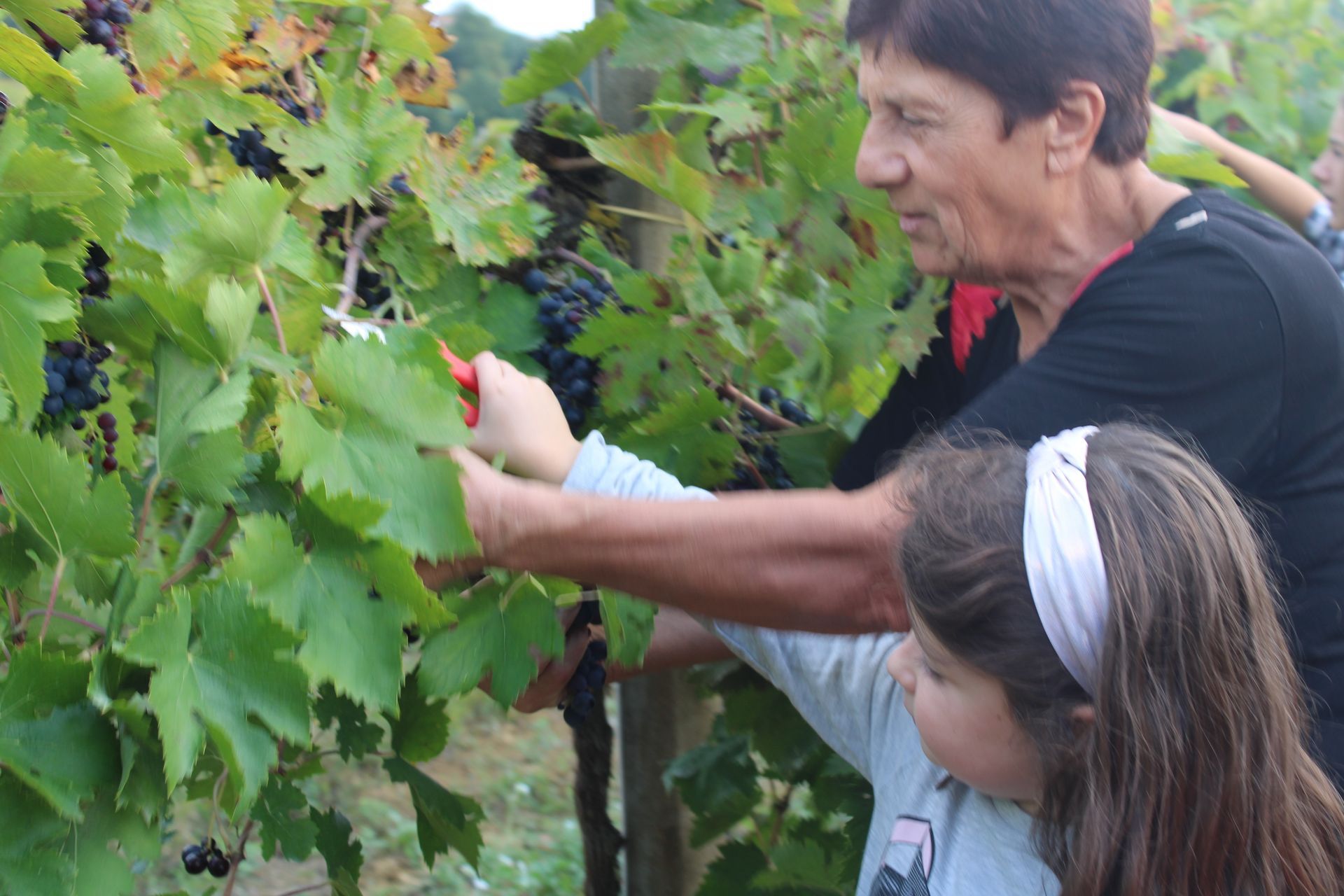
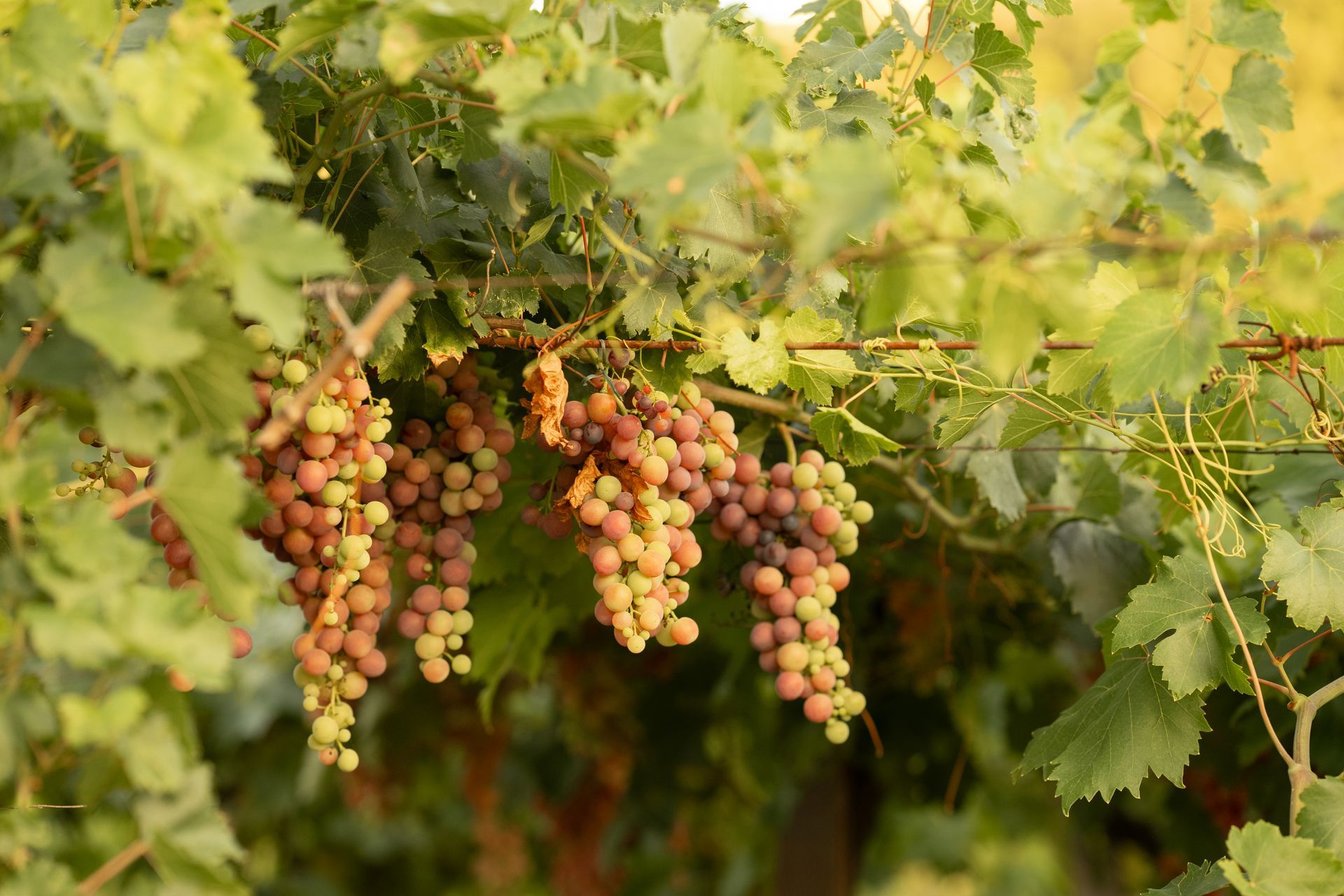
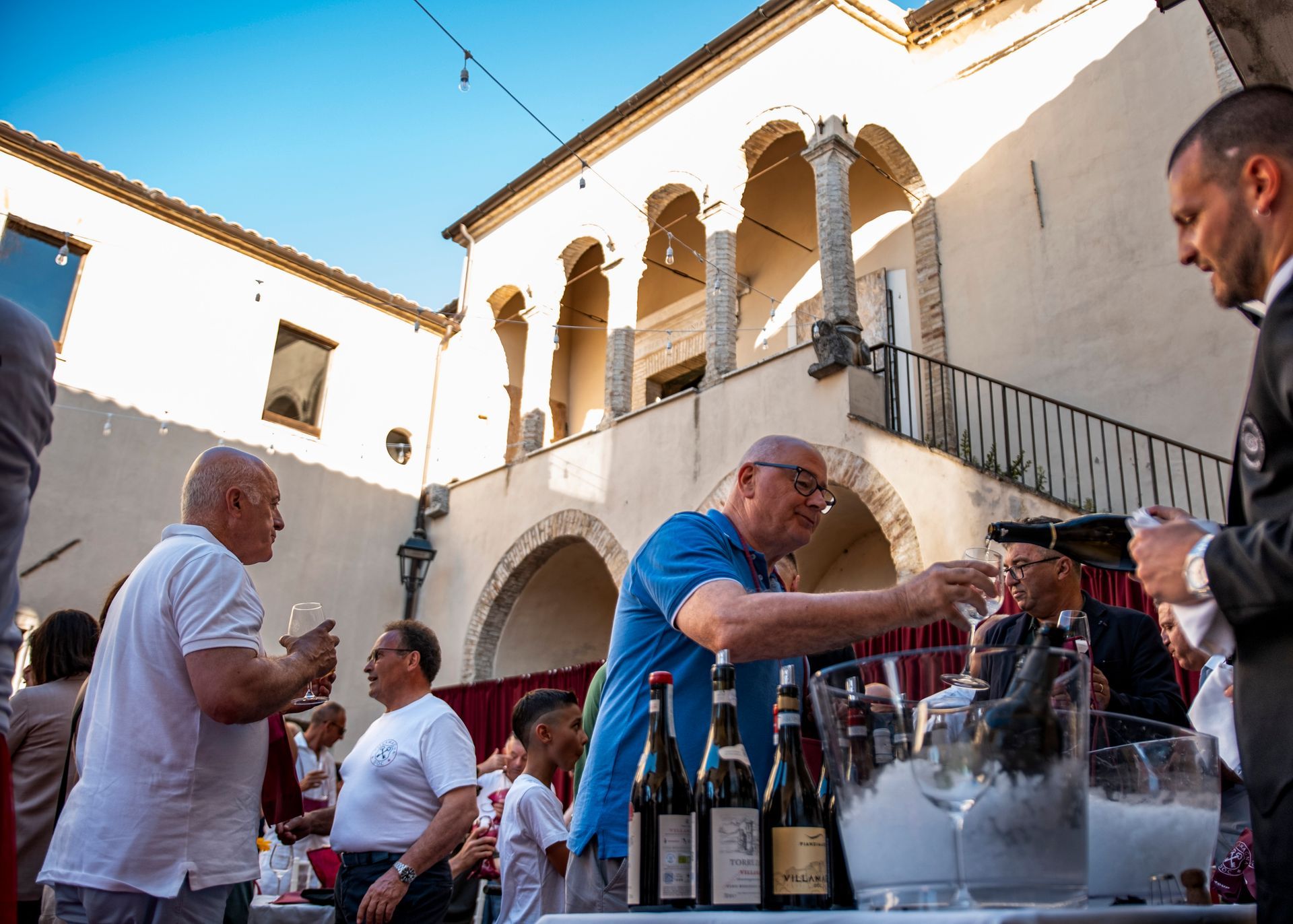
No cooking class in Abruzzo ends without Montepulciano d'Abruzzo at the table. This is a red wine with a particular earthiness and generosity that pairs naturally with lamb, game, and the heavier pasta dishes of the interior. Pecorino (the white grape, not the cheese, though both are excellent) comes from the higher vineyards and tastes like mountain air with a little citrus added. Buying a bottle directly from the producer costs about eight euros and involves a conversation you will remember longer than most museum visits.