Family Travel in Italy After Tuscany: Why Abruzzo Is Next
So you've done Tuscany. You've taken the obligatory photos in front of rolling vineyards, let the kids chase pigeons in Florence, and eaten more gelato than any reasonable family should. It was magical, no question. But now you're planning your next Italian adventure and something feels different. You want fewer crowds, lower prices, and that feeling of discovering a place before everyone else does.
Welcome to Abruzzo.
If you haven't heard much about this rugged, beautiful region in central Italy, you're not alone, and honestly, that's exactly the point. Family travel in Italy doesn't have to mean fighting for space at overbooked attractions or stretching your budget to its absolute limit. Abruzzo offers something increasingly rare: an authentic Italian experience where locals still outnumber tourists.
In this post, we're breaking down the top reasons why Abruzzo deserves a serious spot on your family's Italy itinerary. From national parks and medieval hilltop villages to incredible food and surprisingly easy logistics, here's everything you need to know before booking your tickets.
The Italy Families Are Discovering After Tuscany
If you've already done Florence, you've already done the Uffizi queue. You've already navigated the Cinque Terre crowds in August and paid €18 for a spritz with a canal view in Venice. And if you're anything like the growing wave of experienced family travellers currently filling travel forums with requests for "something different," you're starting to wonder whether Italy has anything left to surprise you. It does. It's just not where you've been looking.
Overtourism fatigue is no longer a niche complaint. Skyscanner's 2026 Travel Trends report surveyed 22,000 global travellers and found that 34% are now actively seeking out quieter destinations, while 31% plan to visit popular spots only in shoulder seasons to avoid the crush. Travel forums and Facebook groups tell the same story in more personal terms: families are explicitly asking for "out of the box" Italy suggestions after feeling genuinely let down by the crowded classics. The honeymoon with the greatest hits is not over exactly, but it is evolving into something more discerning.
The broader numbers reinforce this shift. Italy is the number one most-searched slow travel destination of 2026, according to Booking.com and Skyscanner data, with Google searches for "slow travel Italy" doubling in a single month earlier this year. But the search interest is not flowing toward Tuscany or the Amalfi Coast. It is moving toward lesser-known regions, and one name keeps appearing at the top of the list. As 2026 slow travel round-ups have noted, Abruzzo is being described as "the Italy people who already did Tuscany are booking next," characterised by mountain villages, national parks, and almost no tour buses.
This post is written specifically for multigenerational families who are experienced Italy travellers. You have done the classic circuit at least once, possibly twice. You know how to navigate Italian rail, you are not intimidated by a menu in Italian, and you are ready to go deeper rather than wider. What you will find here is a practical, regionally specific case for Abruzzo as a family slow travel base, covering the experiences that make it genuinely different, the logistics of actually getting there, the best seasonal windows for families, and how to plan a trip that puts you inside village life rather than just passing through it.
What Slow, Fixed-Base Family Travel Actually Looks Like
The fixed-base model is straightforward in concept, but genuinely transformative in practice. Instead of moving between cities every one or two nights, you choose a single village and stay anchored there for a week or more. That village becomes your home. You radiate outward from it on day experiences, returning each evening to the same piazza, the same table, the same view. The destination stops being a backdrop and starts being a place you actually know.
This approach is gaining serious momentum. Industry research for 2026 consistently shows travellers actively shifting toward fewer destinations and longer stays, with a week-plus in a single base emerging as the new planning standard for European trips, particularly for families. Slow travel has, as Kiwi.com's 2026 trend report puts it, "transitioned from a niche lifestyle choice to the dominant travel philosophy," driven by a collective burnout with over-scheduled itineraries. The goal has shifted from seeing landmarks to feeling a place.
Why the Classic Circuit Breaks Families
Compare this to the standard "Rome, Florence, Venice in 10 days" circuit. On paper, it sounds ambitious and exciting. In practice, for a family travelling with children and grandparents, it is quietly exhausting. You are packing and unpacking every two nights. You are navigating train stations with pushchairs and luggage. You are managing meal times, nap schedules and energy dips in cities that have no patience for any of it. There is no rhythm, no familiarity, no sense of belonging anywhere. Grandparents are operating under constant logistical pressure. Children are overstimulated and under-settled. By day six, everyone is tired in a way that a holiday should not produce.
To put hard numbers on movement fatigue: one real-world account of high-movement European travel tracked 165 days across 35 cities, 27 accommodations, 7 flights, 17 trains and 17 buses. That was a couple travelling without children. Add a ten-year-old and a seventy-two-year-old grandmother to that equation, and the logistics do not scale.
A Week in a Village, Concretely
Here is what a fixed-base family week actually looks like. By morning three, the woman at the village bakery already knows that the kids want the cornetti with apricot jam, not the ones with chocolate. You stop having to explain. By day four, your afternoon hike with a local mountain guide feels less like a scheduled excursion and more like a walk with someone who genuinely wants to show you something. Lunch at the family-run trattoria down the lane takes three hours, not because the service is slow, but because no one wants to leave. On Thursday evening, there is a local festival in the piazza. You do not read about it in a guidebook; you simply hear the music from your terrace and walk down.
The Psychological Shift That Changes Everything
Slow travel is not about doing less. It is about doing things more fully. Children who stay in one place long enough stop being tourists and start being curious. They ask questions about the chickens in the neighbour's yard. They pick up five words of dialect. They remember the trip not as a list of sites visited but as a specific place where specific things happened to them. Grandparents, freed from the pressure of constant movement, can set their own pace without feeling like they are holding anyone back. The Hilton 2026 Trends Report has even named multigenerational travel, what they call "Inheritourism," as one of the defining travel behaviours of this year, recognising that families travelling across generations need a fundamentally different kind of trip design. The fixed-base model is not a compromise for slower travellers; it is the architecture that makes the whole thing work.
Why Abruzzo Works Specifically for Families Across All Ages
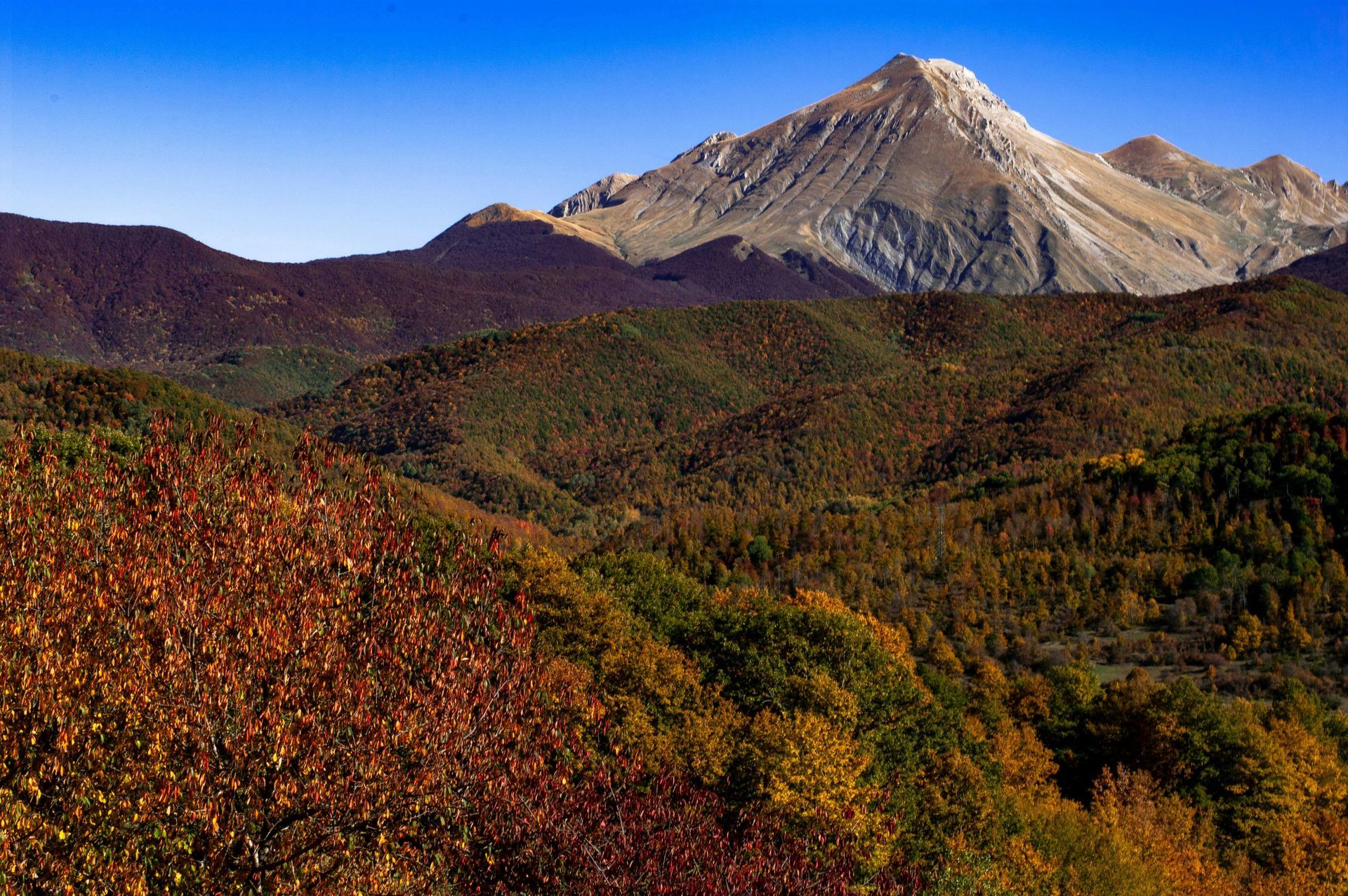
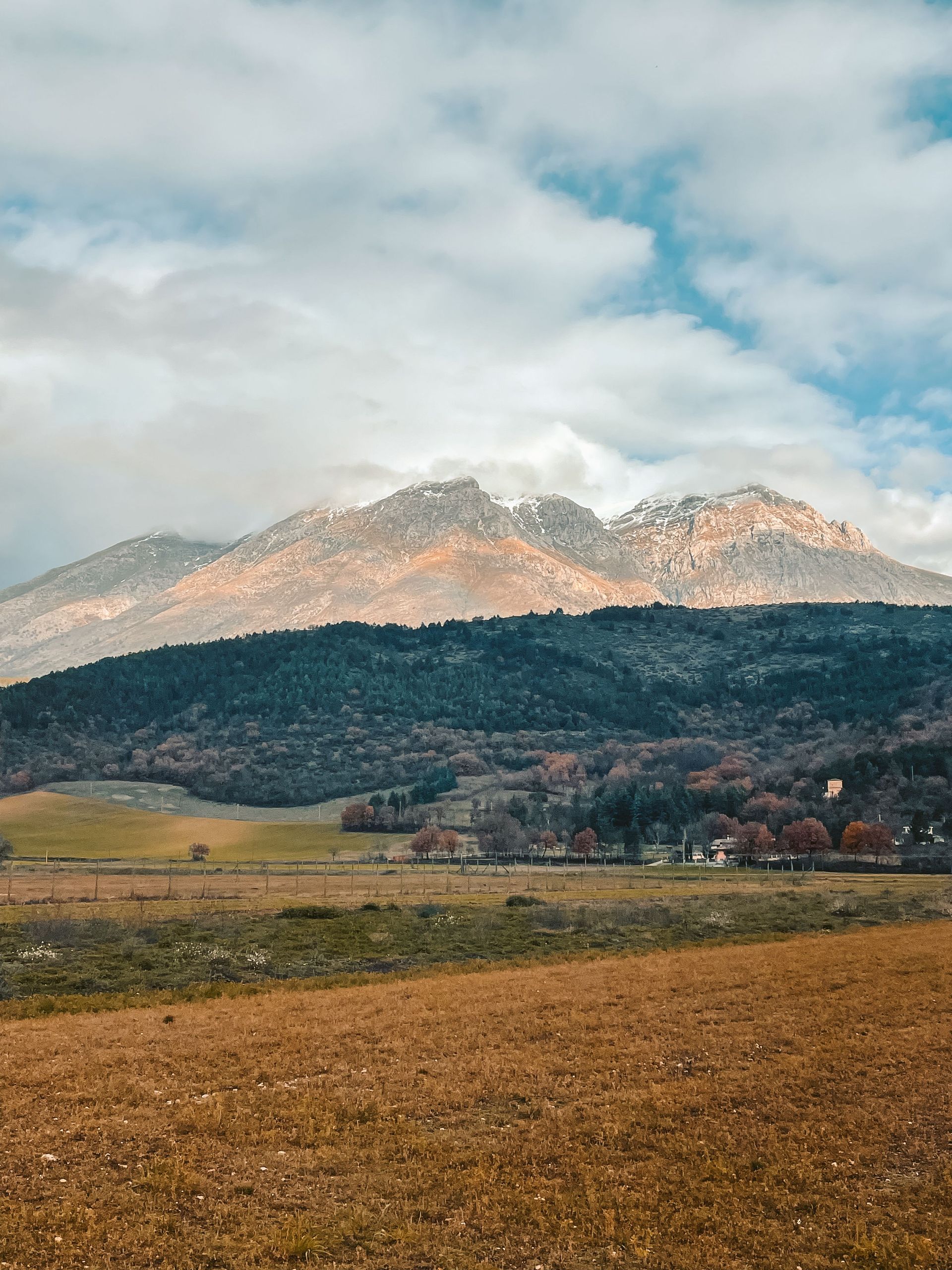
Part of what makes Abruzzo such a practical choice for family travel is how much variety it packs into a genuinely small geographic footprint. The Gran Sasso and Majella mountains sit within striking distance of the Adriatic coast, which is typically under an hour's drive from most hilltop villages in the region. That proximity matters enormously when your group spans three generations. The teenager who wants a proper hike, the grandparent who wants to sit in a piazza with a glass of local wine, and the eight-year-old who has decided she wants to feed a goat: none of them has to compromise. Everyone finds their pace, often on the same day.
A Place Built for Human Movement
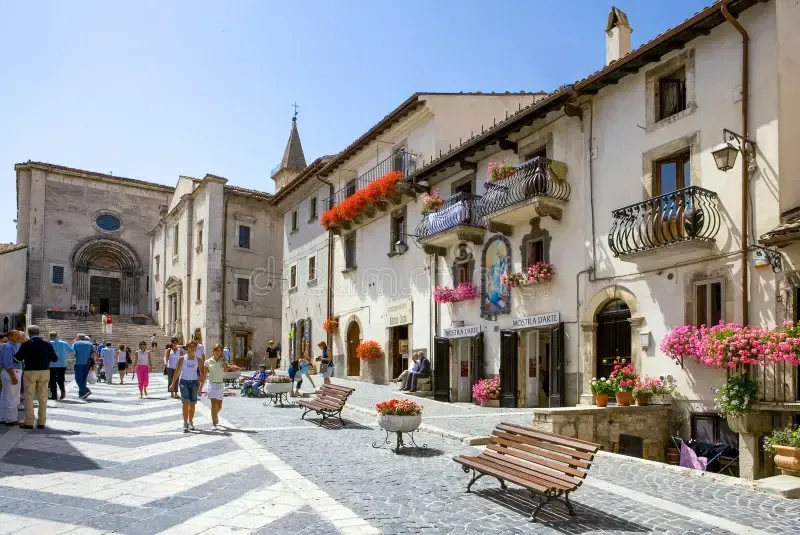
Abruzzo's historic village centres are, almost without exception, traffic-free. The streets were built for feet, not cars, which makes a quiet but significant difference when you're travelling with young children or with older family members who find busy road crossings stressful. There are no crowds pressing in from behind, no queues snaking around corners, no loudspeaker guides herding groups through narrow doorways. The tempo is unhurried by default, not by design. For families travelling with grandparents who have limited mobility, the compact scale of most boroughs means that a morning's gentle exploration covers real ground without requiring more than a slow, pleasant walk.
The Difference Authenticity Makes
Because Abruzzo sits well outside the standard Italy tourist circuit, the infrastructure that typically layers itself over popular destinations simply hasn't appeared here. The restaurants are run by families. The local festivals, the summer sagre celebrating a village's particular cheese or wine or bread, are organised for residents, not itineraries. At the weekly markets, the farmer selling tomatoes grew those tomatoes. These aren't selling points constructed for visitors; they're just the texture of daily life in the region. For families who have grown tired of experiences that feel curated and slightly hollow, that texture is genuinely refreshing. You feel the difference within a day or two.
What Children Aged 8 to 14 Actually Get Out of It
Children in this age range are old enough to engage but still young enough to be genuinely amazed. Abruzzo delivers on both fronts. Farm visits with real working animals, hands-on pasta-making with a local nonna who has been doing it for sixty years, bread-baking in a wood-fired oven, mountain trails graded for young walkers through the Majella national park: these are experiences that land differently from a museum tour. The multigenerational family trip documented here captures this quality well. Children respond to a place that feels genuinely undiscovered, somewhere that hasn't been polished smooth for tourist consumption.
What Grandparents Actually Get Out of It
Stone villages have benches. Shaded piazzas exist specifically for sitting in during the warmest part of the afternoon. The local wine is excellent and inexpensive. There are no queues to stand in, no entrance tickets to pre-book three weeks in advance, and no pressure to be anywhere at a fixed time. What there is, instead, is the kind of slow afternoon pace that makes real conversation possible across generations. The Roots of Abruzzo multigenerational itinerary structures its programme precisely around this balance, building in village time that serves everyone rather than just the most energetic members of the group. For many families, those unhurried afternoons turn out to be the part everyone remembers longest.
8 Experiences to Anchor a Family Week in Abruzzo
A week in Abruzzo gives a family enough raw material to fill a whole winter of dinner-party stories. Here are eight experiences that, taken together, build something far more meaningful than a highlight reel.
1. Hiking in Gran Sasso or Majella
Neither mountain range asks you to be heroic. The trails in both Gran Sasso and Majella span everything from gentle valley walks through wildflower meadows to more demanding ridge routes that will genuinely challenge teenagers and active adults. What makes the difference between a nice walk and an unforgettable morning is having a local mountain guide alongside you. A good guide in Abruzzo doesn't recite geology at you; they point out a bear scratch on a pine tree, name the eagles circling overhead, and tell you why the Gran Sasso silhouette at dusk is said to resemble a sleeping woman. Children absorb that kind of knowledge effortlessly because it feels like storytelling, not a lesson. The landscape becomes a character rather than a backdrop.
2. A Cooking Class with a Village Family or Local Cook
Ask families what they remember most from a trip to Italy and the answer is rarely a cathedral. It's almost always the afternoon they made pasta. There is something about working with your hands, covered in flour, at a table that belongs to someone else's grandmother, that cuts through every age barrier simultaneously. In Abruzzo, a cooking class might mean mastering chitarra pasta with a local home cook, rolling out focaccia with a wood-fired oven waiting nearby, or learning to assemble a regional dolce that has no equivalent outside the village. Children who wouldn't sit still for a museum tour will spend two hours completely absorbed in crimping the edges of a pastry. And then everyone eats together, which is, in the end, the whole point.
3. A Farm Visit with Abruzzo Producers
Abruzzo's agricultural identity is not a marketing concept; it is structural. The region produces saffron, olive oil, Pecorino from sheep that graze at altitude, and wines from small family vineyards that have no real distribution beyond the region. A farm visit here isn't an organised photo opportunity. It's a working sheep farm where children can watch cheese being made from milk that was in an animal an hour ago. It's an olive grove where the owner explains which harvest month produces which flavour profile. Adults taste things that genuinely don't exist in supermarkets anywhere, and children arrive home with a completely revised understanding of where food actually comes from. That kind of education stays with a ten-year-old for a long time.
4. Artisan Workshops with Local Craftspeople
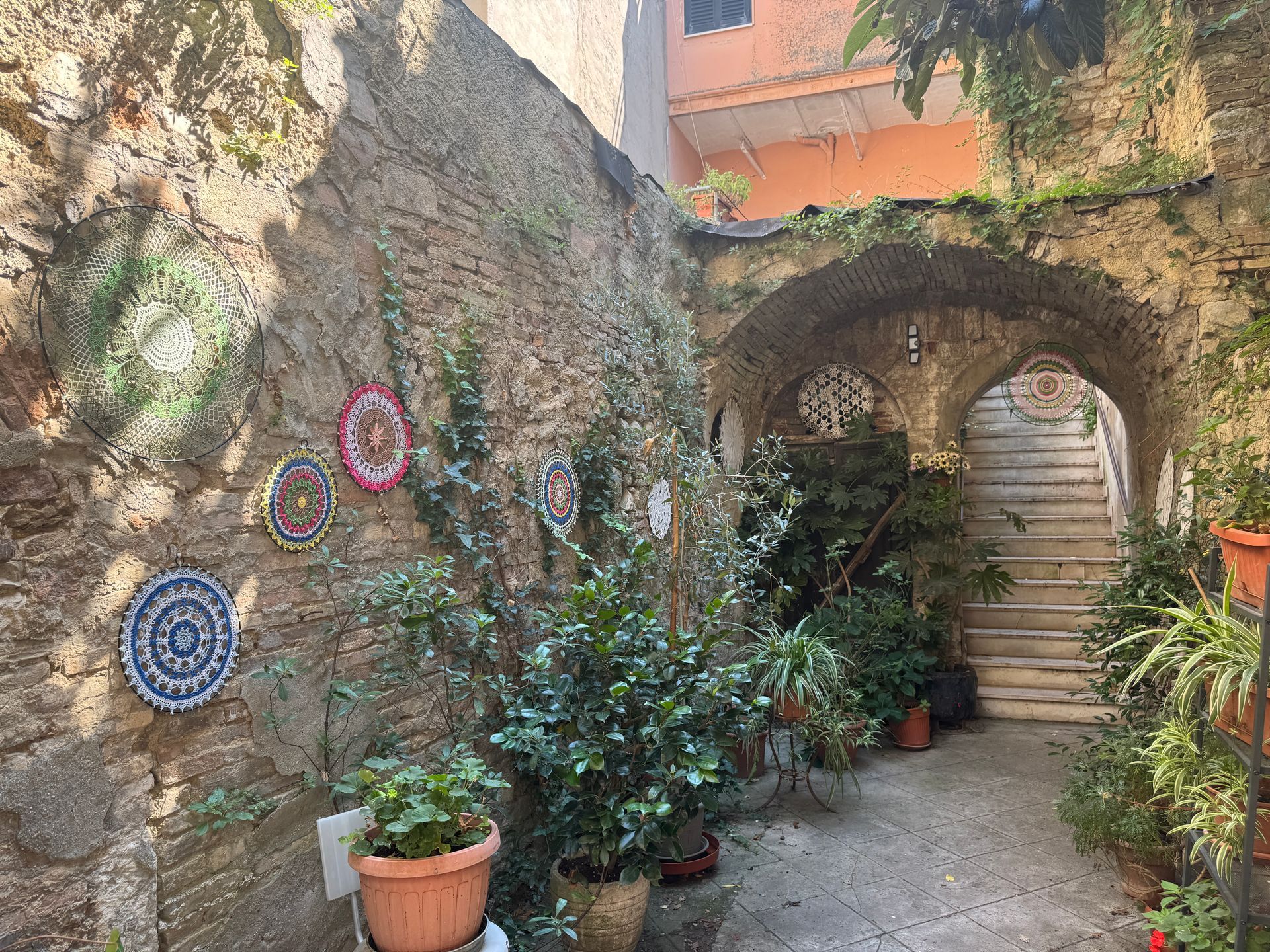
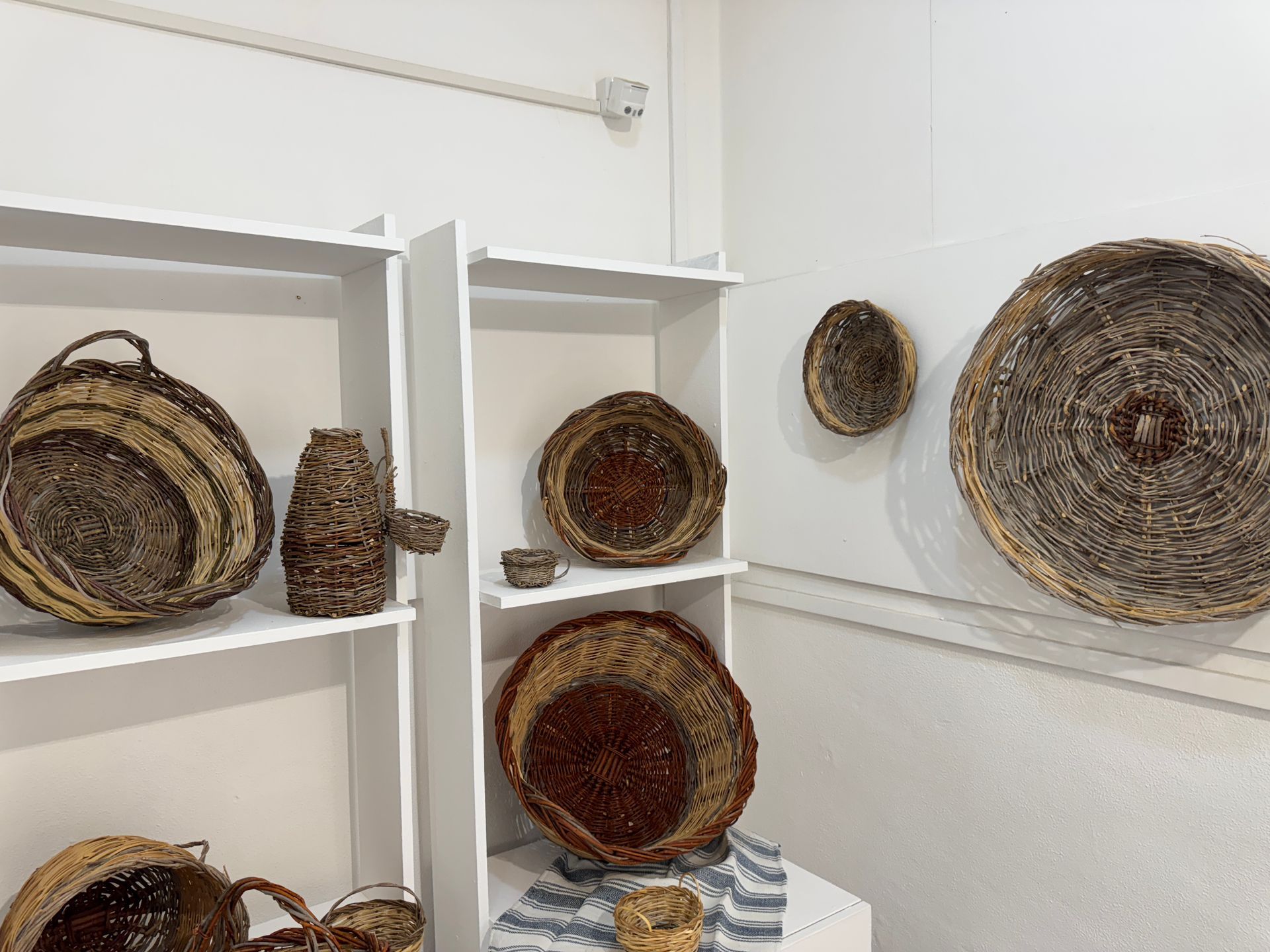
Abruzzo has maintained living craft traditions through centuries of relative isolation from the tourist economy that transformed other Italian regions. Ceramics, wrought iron, hand-weaving and woodwork are still practised here by working artisans, not heritage re-enactors. A hands-on session in a ceramics studio or weaving workshop gives children a making experience that is completely different from anything school provides; it requires patience, physical coordination and close attention to another person's expertise. For families, the other benefit is tangible: you leave with something genuinely handmade by the people in your group, with a story attached to every imperfect edge. No gift shop stocks that.
5. A Wine Experience in Villamagna DOC Country (for the Adults)
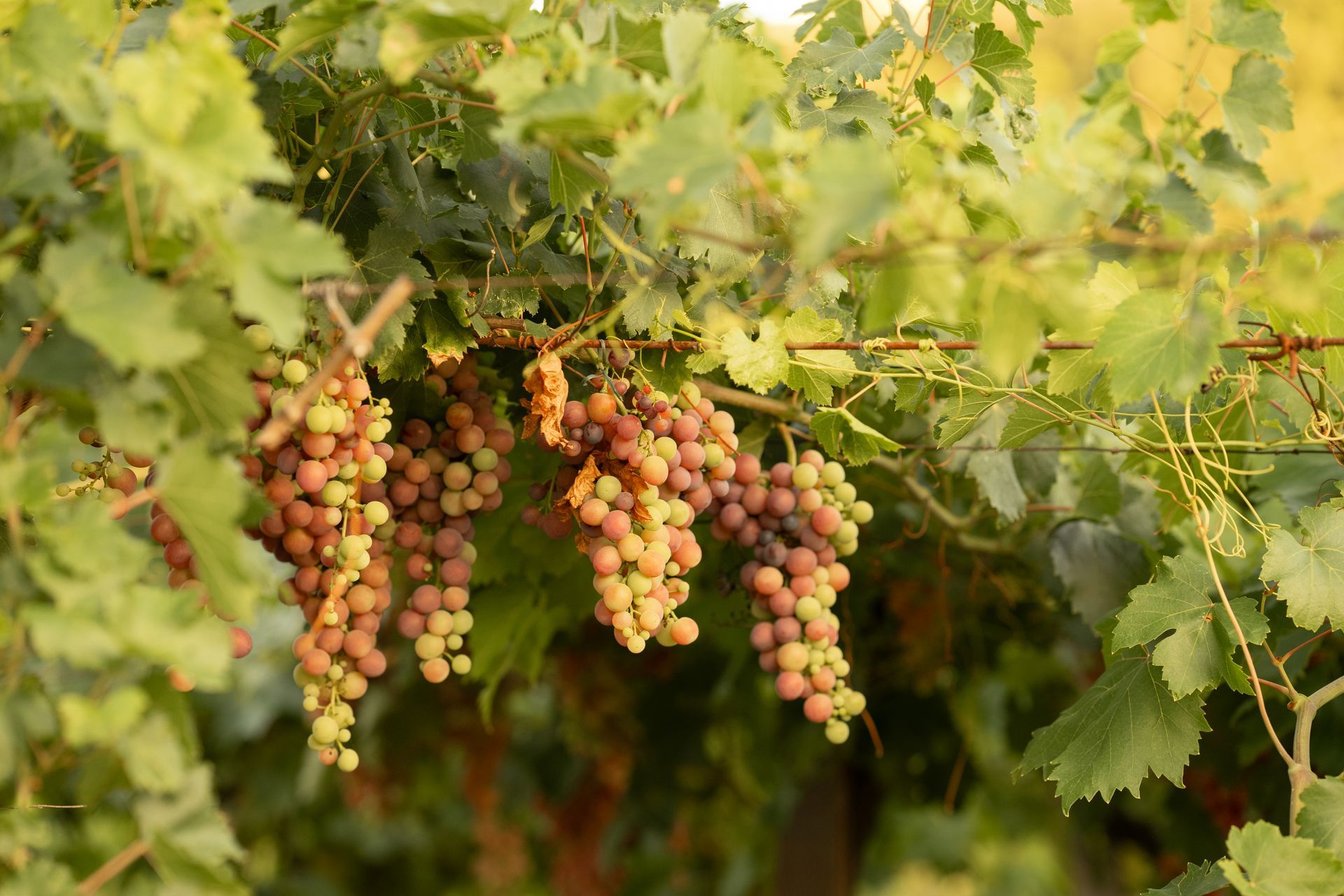
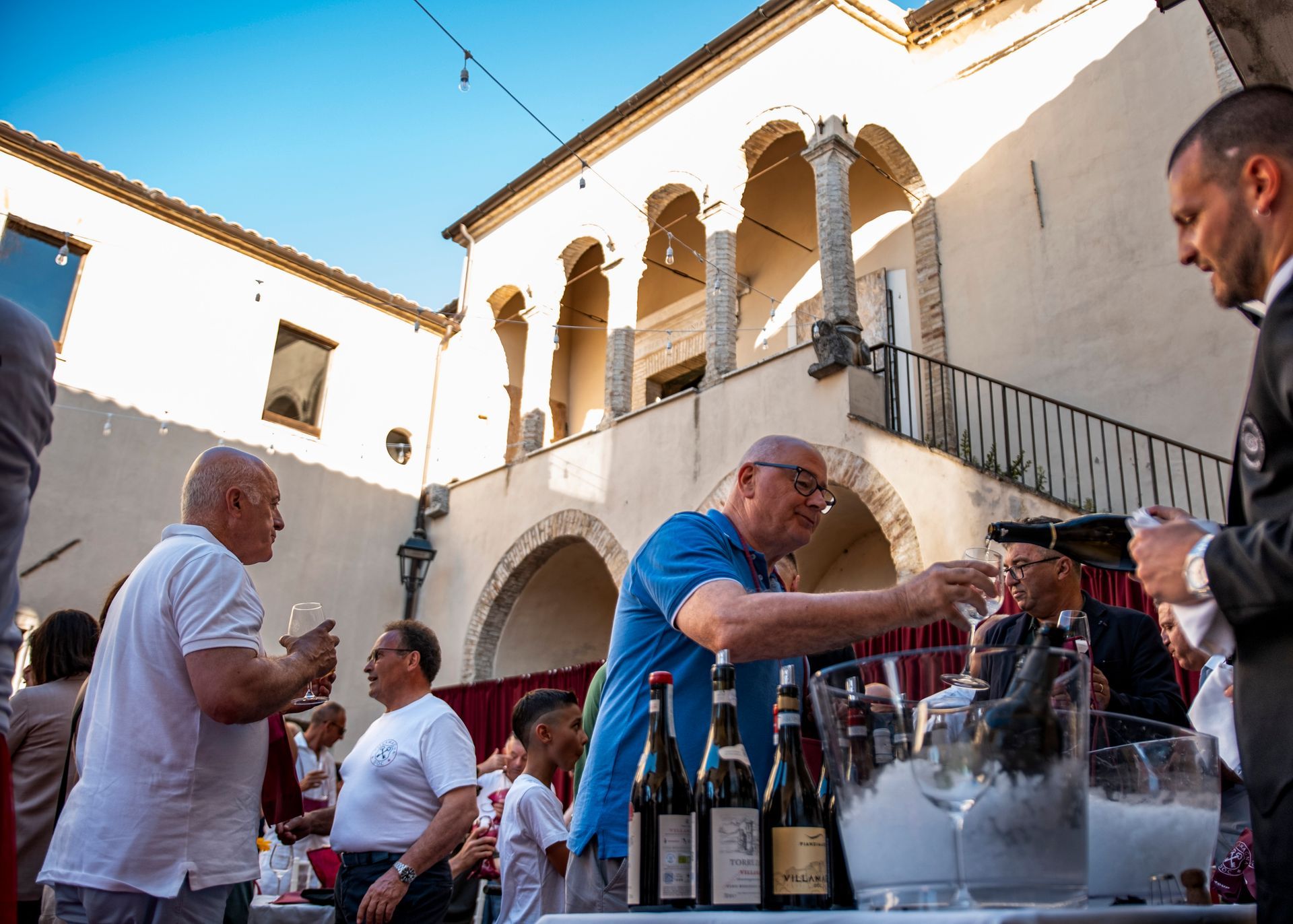
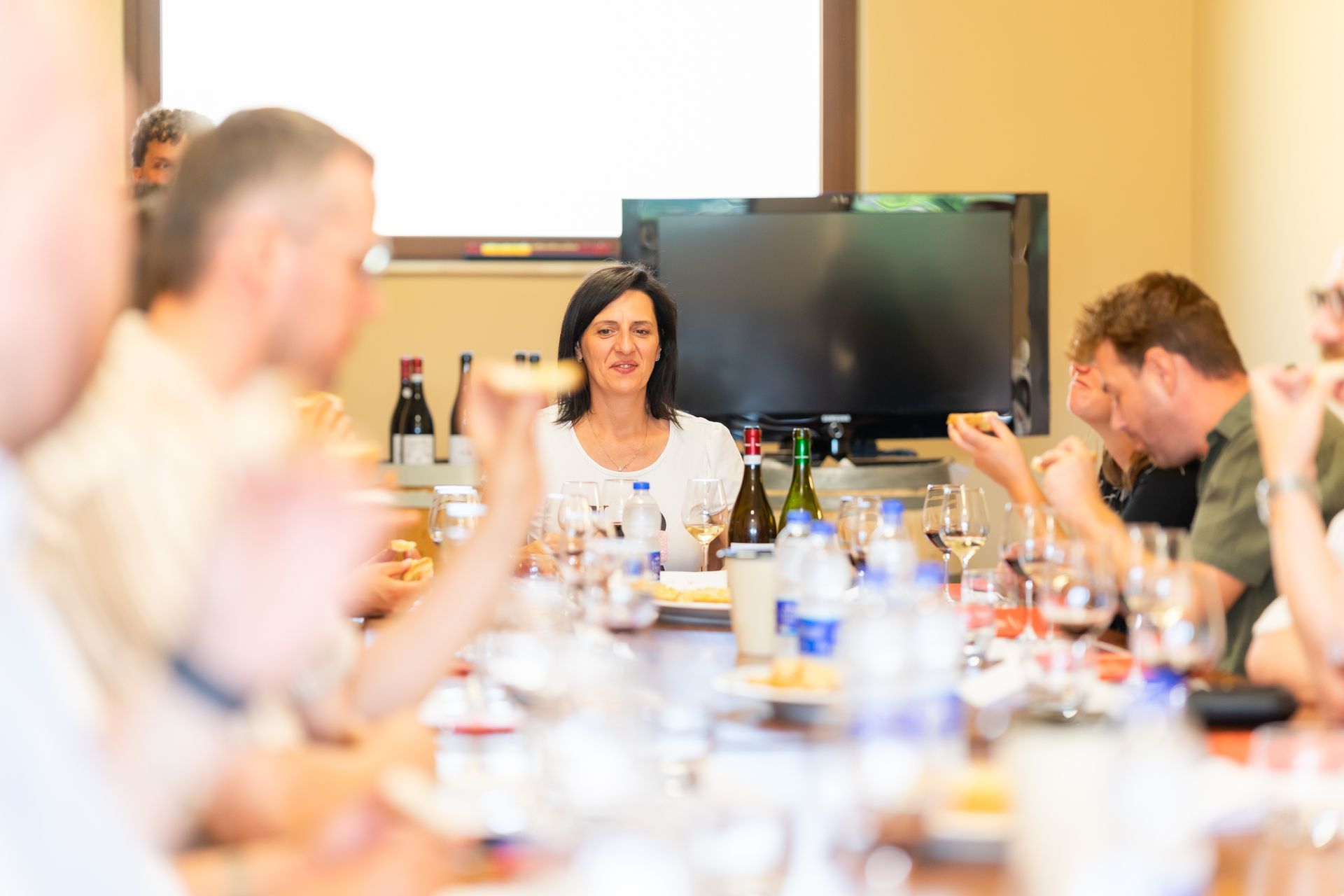
Villamagna DOC is one of Italy's smallest and least-known wine denominations, built almost entirely around the Montepulciano grape and concentrated around the village of Villamagna, just outside Chieti. While children are engaged with a separate activity, adults can sit with a producer, taste wines that are exported in tiny quantities if at all, and eat local charcuterie and aged cheeses that pair with them in ways a restaurant list can't replicate. The informality is part of the value; you are not in a tasting room designed for visitors, you are at a table where the producer is also sitting. These are the must-see sights of Italy's Abruzzo region and the wine country surrounding them represent a side of Italy that most European travellers have simply never encountered.
6. A Local Sagra or Village Festival
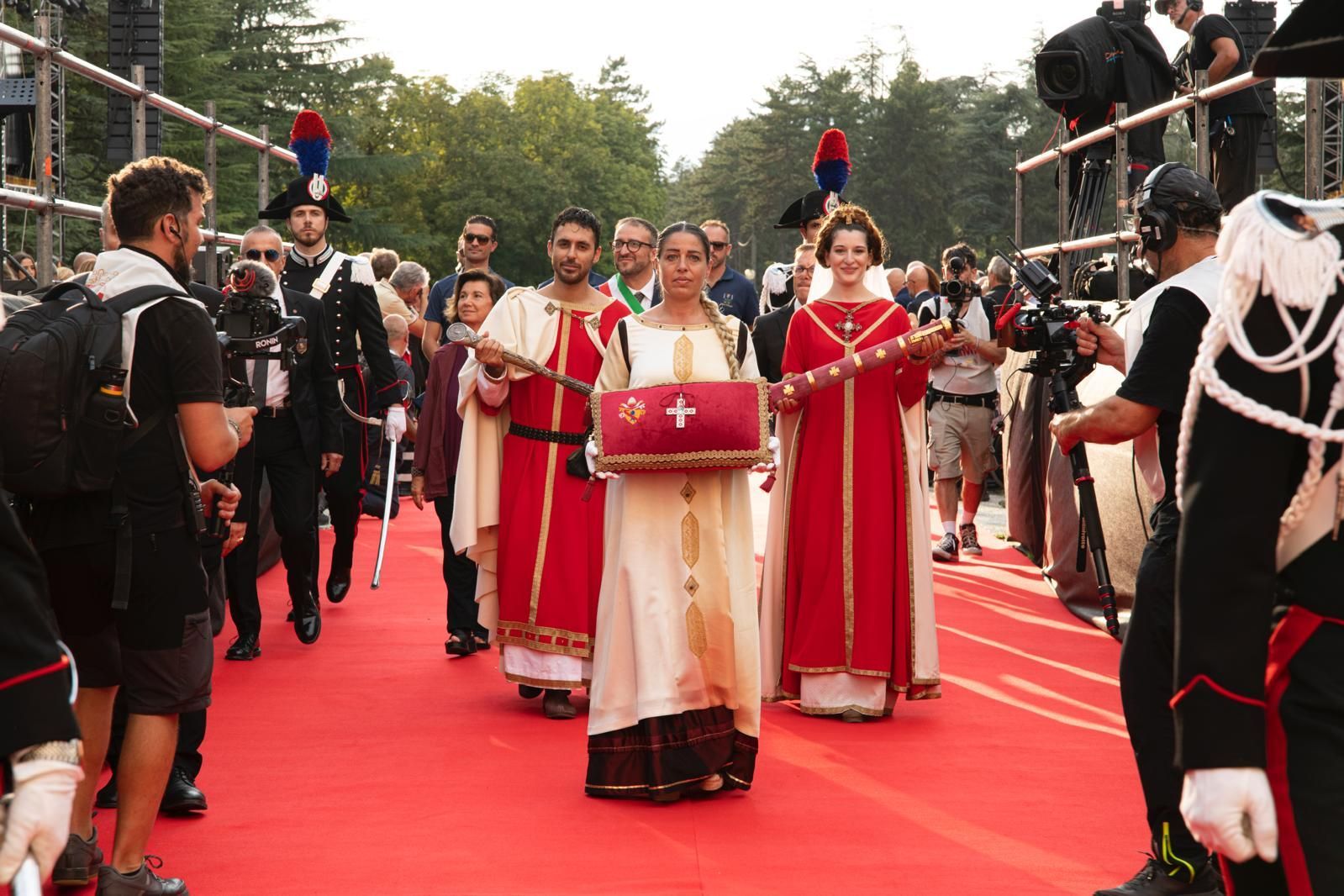
Abruzzo's calendar is packed with seasonal food festivals and patron saint celebrations, and attending one changes the texture of a trip in ways that are hard to predict in advance. You're not watching a cultural performance staged for visitors. You are sitting at a long table with local families, eating the same food everyone else is eating, watching the village children perform in costumes they've been rehearsing for weeks. Families consistently describe moments like these as the single most memorable experience of their trip, precisely because nothing was arranged for their benefit. A local's guide to Abruzzo captures this quality well; medieval villages here still function as communities rather than backdrops, and a sagra makes that immediately, viscerally clear.
7. A Morning at a Weekly Market
The weekly produce market is not aimed at tourists. Local farmers bring vegetables, cheeses, bread, olives and cured meats to sell directly, and the transaction happens in Italian at a pace that assumes you know what you want. Arriving with a few words of the language and a rough plan for the day's lunch, and then navigating the stalls with children who are allowed to make choices, is a surprisingly powerful ritual. It slows everything down. It makes the kitchen feel like the centre of the day rather than a logistical afterthought. Families who do it once on a Tuesday morning tend to structure the rest of their week around it.
8. A Half-Day in the Majella Geopark
The Majella Geopark carries UNESCO recognition for geology that spans hundreds of millions of years, but what actually stops visitors in their tracks is the human layer on top of it. Hermitages cut directly into cliff faces, medieval pilgrimage routes still walkable today, and a landscape that has sheltered human communities for at least 10,000 years without ever becoming domesticated. The trails are accessible to mixed ages and the scale of the place, combined with the strangeness of those rock-carved sanctuaries, gives teenagers something genuinely worth photographing and wondering about. For families already anchored in a nearby village, the Majella Geopark is a half-day that earns its place in the itinerary without any effort at all.
Multigenerational Logistics: Making It Work Across Ages
Getting the logistics right is what separates a multigenerational trip that people talk about for years from one that quietly exhausts everyone by day four. Here are six things worth planning carefully before you arrive.
1. Choose accommodation that creates communal space naturally
A village house or agriturismo with six or eight bedrooms and a shared kitchen, terrace and dining room does something that a block of hotel rooms simply cannot: it gives everyone privacy to retreat to, and a gravitational centre to come back to. Nobody has to coordinate in a lobby or book a restaurant for ten people every night. Meals happen because everyone's already there. The 2026 multigenerational travel survey from Road Scholar confirms that shared quality time, rather than shared sightseeing, is what families actually come home raving about, and the accommodation is where that time gets made. Book six to nine months ahead for properties in rural Abruzzo, particularly if you're travelling in July or August. The best agriturismi fill up early, and the ones with genuine outdoor space and a working kitchen are worth the planning effort.
2. Build a pacing model where opting out is completely fine
The fixed-base model handles mixed energy levels better than almost any other travel format. When the whole family is sleeping in the same village, a grandparent who wants a quiet morning in the piazza and a teenager who wants a five-hour mountain hike are not in conflict. They're just having different days, and they'll reconvene at lunch. The key is designing each day with one anchor activity that anyone can join, and leaving room for people to do less without it becoming a negotiation. Multigenerational holiday trends for 2026 consistently highlight flexible, opt-in itineraries as the format families find most sustainable across a full week. Guilt-free opting out is not a failure of planning; it is the plan.
3. Understand the terrain before you choose your village
Abruzzo's hilltop boroughs vary enormously. Some have gentle gradients and wider paths suitable for older or less mobile travellers; others are steep, cobbled and physically demanding from the car park onward. This is not information a general guidebook will give you in useful detail. Knowing which village centre a grandparent with a hip replacement can navigate comfortably, and which routes around it are flat enough for a leisurely morning walk, requires local knowledge. It's one of the practical reasons that working with a ground operator embedded in the region makes a genuine difference to a trip like this.
4. Give children aged 8-14 something to do with their hands
This age group does not do well as passive observers. They need to be inside the experience. Making pasta from scratch in a farmhouse kitchen, pressing cheese with a local producer, spotting Marsican brown bears on a wildlife trail in the Majella, throwing clay at a village potter's wheel: these are experiences that hold attention and generate genuine stories. A third cathedral visit, however beautiful, will not. The tactile and the interactive are what this demographic takes home, and Abruzzo's network of working farms, artisan workshops and mountain trails provides exactly that kind of material.
5. Let lunch be the event, not an interruption
Italian family-run village restaurants understand the multigenerational table in a way that is genuinely different from restaurant culture elsewhere. The pace is slow by design. Portions arrive in stages. Children are welcomed loudly and without hesitation. A two-hour lunch is not considered excessive; it is considered correct. For a family travelling across three generations, this rhythm turns the midday meal into the social anchor of the day, the moment where everyone compares notes, slows down together and actually talks. Plan around it rather than against it.
6. Leave some days genuinely empty
Not every day needs a booking. Some of the moments families describe most vividly afterwards are the unscheduled ones: the path someone found behind the house on a Tuesday afternoon, the card game a grandmother taught on the terrace when it was too hot to go anywhere, the hour spent doing nothing in particular in a village square. A fixed-base stay makes these moments possible precisely because you are not trying to maximise the itinerary every day. Build in at least two completely open days across a week, and resist the temptation to fill them.
When to Go: Seasonal Guidance for Families Visiting Abruzzo
Timing a family trip well can be the difference between a holiday that flows easily and one where you're fighting crowds, heat, or closed doors. Abruzzo rewards those who choose thoughtfully, and the good news is that several windows genuinely work well for families.
Late Spring (May to Mid-June)
This is arguably the strongest window for families with any flexibility around school dates. Temperatures across the Gran Sasso and Majella are mild enough for hiking with children of all ages, wildflowers are in bloom across the national park trails, and local markets are stacked with early-season produce. Festivals and village sagre begin to come alive, giving families a real taste of local rhythm. Crucially, the summer crowds that now affect even Abruzzo's quieter corners simply haven't arrived yet. Mornings and evenings feel unhurried in a way that genuinely changes the quality of the experience.
Summer (July to August)
July and August remain the most popular window for families with school-age children, and Abruzzo absolutely works in summer, but it needs managing. The practical approach experienced Italy travellers settle into naturally is: active mornings, long unhurried lunches, a genuine afternoon rest, then evening walks when the heat drops. If the coastal plains feel too warm, the higher altitudes of Gran Sasso and Majella offer meaningful relief, with conditions that make afternoon hikes far more comfortable than anything at sea level.
One specific window to avoid: the Ferragosto period around 15 August sees Italian domestic tourists fill even Abruzzo's smaller villages, and some local businesses close entirely. Families who can land in the week before or the week after will find a noticeably quieter, more relaxed Abruzzo.
Early Autumn (September to October)
This is the most underused family window, and honestly the one that deserves more attention. Summer visitors have gone, temperatures are ideal for walking, and the harvest season kicks in fully: truffle hunts, grape picking, and the best sagre of the year. As this Rick Steves forum thread planning an October Abruzzo trip shows, engaged travellers are already connecting the dots between October and food and harvest experiences. Accommodation is easier to secure and often better value. The Villamagna DOC harvest and wine events cluster in September and October specifically, which is worth building an itinerary around if your family includes adults who appreciate wine in context rather than in a shop.
Autumn in Abruzzo is genuinely its own season, not just the tail end of summer. The transumanza, the ancient shepherd migration from mountain pastures to the coast, happens in the first weeks of autumn and is one of those things generic Italy guides rarely mention.
A Note on Winter and Early Spring
Both can be beautiful, particularly for families drawn to mountain landscapes and uncrowded villages. The practical reality is that some rural partners operate seasonally, and Majella Geopark trails are most reliably accessible between May and October. Winter trips are absolutely possible with borGO's local network, but they require more flexibility and advance planning to ensure the experiences you're after are actually running
Why the People You Meet Matter More Than the Places You See
Ask almost any parent what their children remember from a family holiday, and the answer is almost never the museum. It is the old man at the trattoria who sat down uninvited and made everyone taste something from the kitchen they had not ordered. It is the farmer who handed a seven-year-old a bucket and pointed at the goats. It is the ceramicist who stepped back from her wheel and wordlessly gestured for a ten-year-old to sit down and try. These moments are not highlights from a guidebook. They are the moments that travel researchers describe as genuinely transformative, the kind that reshape how a child understands the world and their place in it.
The critical thing to understand is that this quality of interaction is not random, and it cannot be replicated by filtering through a generic booking platform. A platform can list an "authentic farm experience" the same way it lists a hotel room. What it cannot do is build the years of trust that cause a real working farmer, who has never dealt with tourists before, to agree to let a family into his morning. That kind of access comes from relationships, and relationships take time, credibility, and genuine presence in a place.
A Network Built on Trust, Not Tourism
This is precisely what makes borGO's model structurally different. borGO operates through a network of more than 160 local partners across Abruzzo, covering farmers, winemakers, artisans, mountain guides, and small family-run restaurants and accommodations. Many of these partners have never previously worked with a tour operator. They are not businesses that exist to perform authenticity for visitors. They are real producers and craftspeople, people running actual working farms, pressing actual olive oil, throwing actual clay pots, who have agreed to open their doors on their own terms. The difference in what a family experiences as a result is not subtle.
Travel That Gives Something Back
There is one further dimension that matters increasingly to families planning travel in 2026. Every borGO itinerary channels revenue directly into the local communities it visits. For parents who want their children to understand that travel can contribute to a place rather than simply consume it, this is a meaningful and concrete distinction. It is also one that no generalist Italy operator is currently making a clear content claim on.
borGO's borGOresta initiative extends this commitment further still. Using AI to document and preserve local traditions, recipes, stories, and crafts from villages in the Majella Geopark, it turns the act of travelling in Abruzzo into a small act of cultural stewardship. Families who travel with borGO are not just passing through. They are participating in something that will outlast the trip.
How to Start Planning Your Family Trip to Abruzzo
A borGO-designed family itinerary typically starts with one thing: a village. From that fixed base, everything else radiates outward. Accommodation is sourced to suit groups of four to ten people, generally a farmhouse, restored village property, or a cluster of rooms with shared space so the family actually sees each other. Pre-arranged experiences with borGO's network of 160+ local partners sit alongside unscheduled time, because not every hour should be filled. Farm visits, cooking classes, guided hikes in the Gran Sasso or Majella, and artisan workshops are all available, but the itinerary is built with breathing room deliberately written into it.
For multigenerational groups, borGO designs activities as modular options rather than fixed obligations. The grandparents who want a slow morning at the village bar and a long lunch are not holding anyone back; the teenagers who want a full-day mountain hike can take it. The village base is the constant that holds the group together at the beginning and end of each day, without requiring everyone to move in lockstep. This is the structural solution to the real challenge of multigenerational travel, which is that you are not one traveller with one pace; you are four or five different people with four or five different energy levels.
What to bring to the first conversation
You do not need a detailed brief to start. Bring a rough group size, the age spread across generations, any mobility considerations worth flagging (Abruzzo's villages are beautiful and cobblestoned, which is a practical variable), your preferred pace, and the one or two experiences that feel most important to you. The rest can be built around those anchors.
borGO works directly with families and through travel designers and tour operators who want a credible, embedded ground partner in Abruzzo. Either way, the starting point is a conversation, not a booking form.
The Trip Worth Planning Properly
The families getting the most from Italy in 2026 are not the ones who ticked off the most cities. They are the ones who stayed somewhere long enough for the woman at the bread shop to remember their order. That sense of briefly belonging somewhere is what slow, fixed-base travel delivers, and it is genuinely not replicable on a seven-city sprint.
Abruzzo sits in a narrow window right now. Well-connected enough to visit comfortably, but not yet crowded enough to have lost the texture that makes it worth visiting. That window will not stay open indefinitely. A single viral moment can change a region's character within two seasons.
The practical takeaways are simple: choose one village base and commit to at least seven nights; choose experiences that are interactive and multigenerational rather than passive; travel in May, June or September for the best combination of weather, open restaurants, and uncrowded trails; and work with an operator who knows the people, not just the postcard version of the places.
The families who find Abruzzo now will be the ones telling friends about it for years. The only real question is whether to go while it still feels like a secret, or wait until it appears on the cover of every travel supplement.
Conclusion
Abruzzo isn't just an alternative to Tuscany; it's an upgrade in all the ways that matter most for families. You'll spend less, crowd less, and connect more deeply with the Italy that most tourists never find. Between the dramatic national parks, the storybook hilltop villages, and the kind of genuine local hospitality that feels increasingly rare, this region delivers an experience your kids will actually remember.
The secret won't keep forever. More families are discovering Abruzzo every year, and the window for experiencing it at its most authentic is open right now.
So start researching flights into Pescara or Rome, bookmark a few agriturismos, and begin building your itinerary. Your family's next great Italian adventure is waiting, and this time, you'll have the rolling hills almost entirely to yourselves.