
Autumn in Abruzzo:
Saffron, truffles, grape harvest and olive picking
An autumn beyond the foliage
Autumn in Abruzzo is not only about the foliage that lights up the woods of the Majella and Gran Sasso. It is a season built around old rhythms that return every year, almost always in the same order: first the grapes, then the saffron, then the truffles, and finally the olives. These are moments of shared work, of families and cooperatives who open their days to travellers curious about where their food really comes from. Here is a journey through these four moments, to experience Abruzzo's autumn the way local people do.
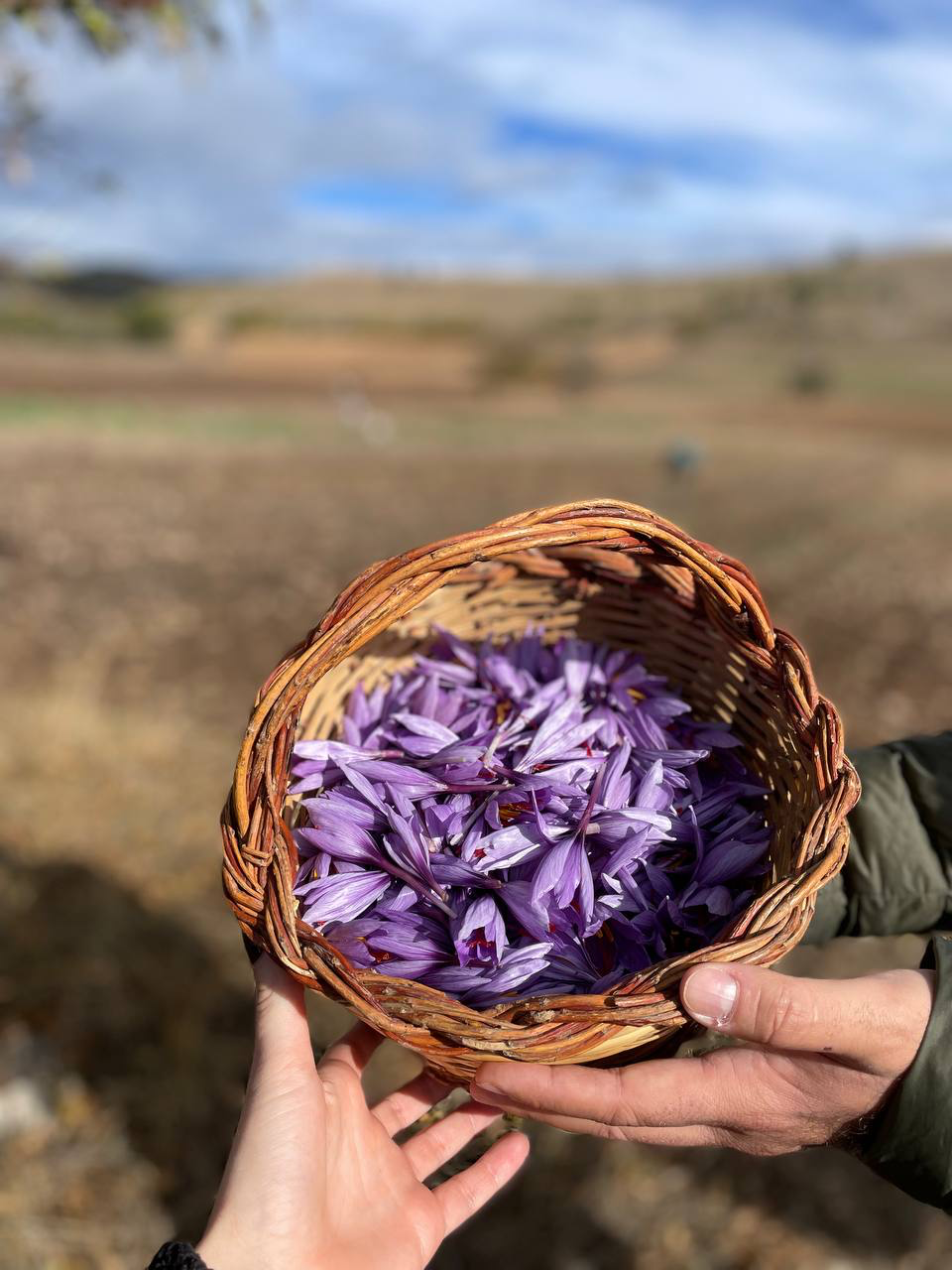
Saffron in Navelli: the flowering that colours the plateau
Every October, on the Navelli plateau near L'Aquila, the fields turn violet. It is Crocus sativus coming into bloom, and with it begins one of the most delicate harvests in Abruzzo. Tradition marks the start on 4 October, the feast of Saint Francis, though drier seasons in recent years have pushed the flowering closer to mid-month.
The Cooperativa Altopiano di Navelli has brought together the area's small producers for over fifty years, the same growers behind L'Aquila Saffron, awarded DOP status in 2005. The flowers are picked by hand in the early morning, while the petals are still closed. Then, one by one, the three red stigmas are removed and dried the same day, over oak or almond wood. It takes around 250,000 flowers and more than 500 hours of manual work to produce a single kilogram of dried saffron.

Truffles in the Trigno Valley: a forest that smells of autumn
Along the Trigno river, between the towns of the Chieti province and the woods climbing towards Pizzoferrato, Roseto and Quadri, autumn brings another scent: white truffle. Abruzzo is home to 28 different truffle varieties, an unusually rich number for Italy, and the Trigno Valley is one of the places where Tuber magnatum finds the limestone soil and humidity it needs to grow.
Going out with a local truffle hunter here follows rhythms that do not bend: you leave early, before the sun warms the ground and scatters the scent, and walk in silence behind the dog, trained to catch an aroma no human could ever detect. The truffle is still lifted with a small traditional spade, with a careful movement to keep it whole.
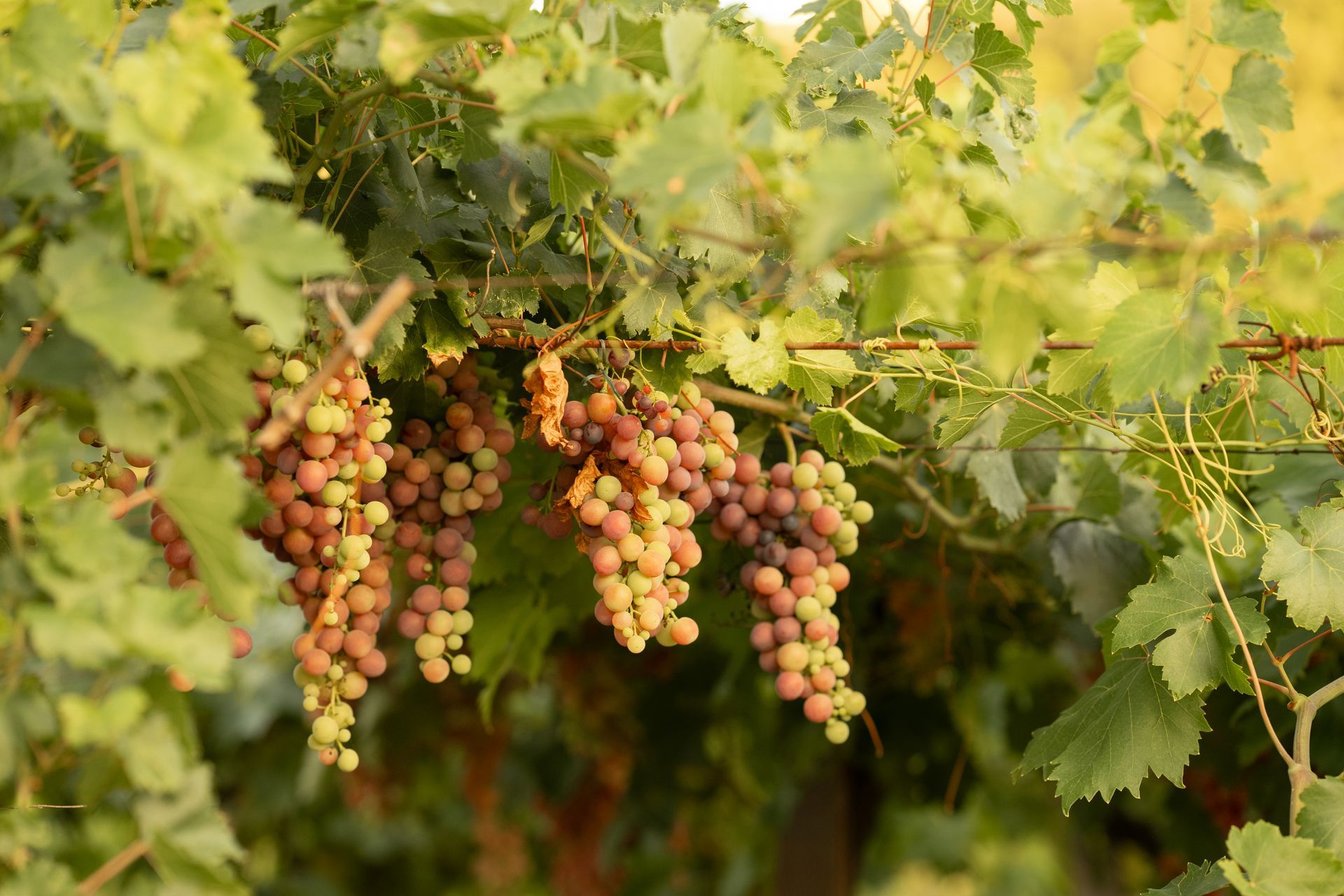
Grape harvest: the wine culture that runs through Abruzzo
September and October are harvest months across the region, from the hills around Villamagna, in the province of Chieti, to the countryside facing the Adriatic. Here, Montepulciano grapes grow in sandy-clay, calcareous-marl soil, in a microclimate shaped by the closeness of the sea and the shelter of the Majella mountains.
But the grape harvest in Abruzzo is, above all, a shared culture. For generations, families have harvested together, often by hand, often with neighbours and relatives joining a day that always ended around a table. That way of working still holds in many of the region's wineries, from the Villamagna area to the hills near Teramo: low yields, hand-picking on rows facing south-east and south-west, and a close bond between the people who tend the vines and the people who live by them.
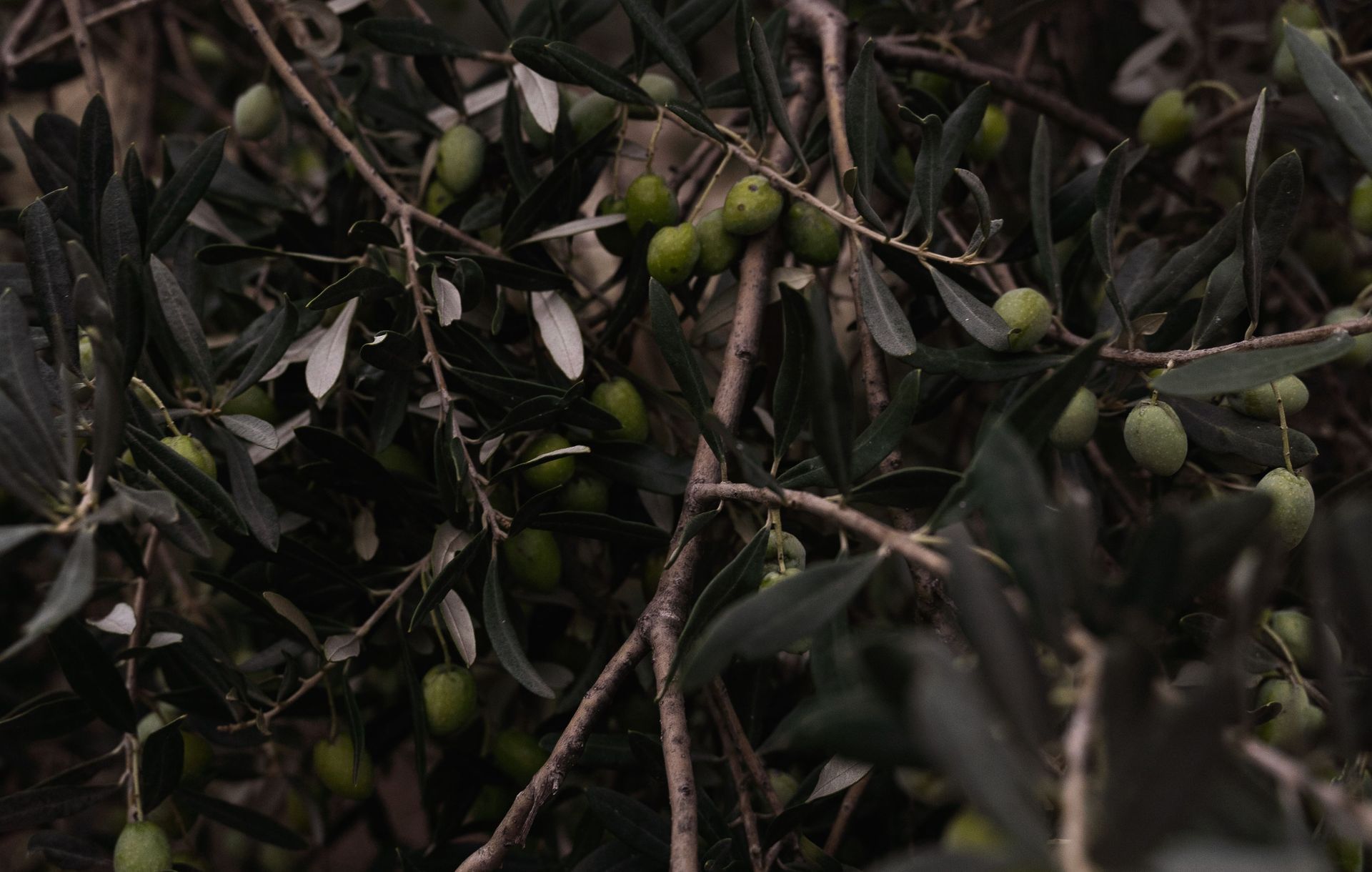
Olive picking in Loreto Aprutino: home of the Dritta cultivar
In Loreto Aprutino, in the inland hills near Pescara, olive oil has been made for as long as anyone can remember, almost entirely from the Dritta, a native variety that dominates the local groves. The microclimate here is ideal: gentle hills, a short distance from the sea, a balance the Dritta seems to have found centuries ago and never left.
The harvest, which begins in autumn, follows precise rules: olives are picked by hand, with care, valuing the integrity of the fruit over yield. Milling happens the same day, or within 24 hours at most, at local mills, to preserve every part of the oil's character. The result is an oil known for its balance, the outcome of a short supply chain passed down for generations in Loreto Aprutino.
FULL OF FLAVOURS
One autumn, four seasons within a season
Saffron, truffles, grape harvest and olives are not four separate events. They are four movements of the same Abruzzo autumn, following one another from September to November, each telling the same story about this land: slow work, shared effort, and products shaped by a precise relationship with the earth. borGO accompanies travellers who want to experience these moments closely, alongside the people who make them happen every year.
What to know about Autumn in Abruzzo
What can you do in Abruzzo in autumn?
Autumn in Abruzzo unfolds through four distinct moments: saffron picking on the Navelli plateau, truffle hunting in the Trigno Valley, grape harvest in wine areas such as Villamagna, and olive picking in Loreto Aprutino. These are real, working traditions, not shows staged for visitors.
When is the best time to experience autumn in Abruzzo?
Between late September and November, grape harvest, saffron picking, truffle hunting and olive picking all overlap, an eight to ten week window in which more than one of these moments can be experienced in a single visit.
When is saffron harvested in Abruzzo?
Harvest on the Navelli plateau traditionally begins on 4 October, the feast of Saint Francis, though in drier years flowering shifts closer to mid-month. Flowers are picked by hand in the early morning hours.
Where can you find truffles in Abruzzo in autumn?
White truffle is especially common along the Trigno and Sangro rivers, in the Chieti province and in the woods near Pizzoferrato, Roseto and Quadri. Abruzzo counts 28 truffle varieties overall.
Where can you experience the grape harvest in Abruzzo?
September and October are harvest months across the region, from the hills around Villamagna, home since 2011, to a DOC designation for wines made from at least 95% Montepulciano, to the countryside facing the Adriatic.
Where can you experience olive picking in Abruzzo?
Almost all the families have some olive trees. But one of the most famous villages for olive picking is Loreto Aprutino.
In Loreto Aprutino, in the inland hills near Pescara, olive oil has been made for generations from the Dritta, the native variety that dominates the area. Hand-picking and milling within 24 hours are part of a short supply chain that defines the whole area.