7 Days in Italy, Done Differently: A Fixed-Base Abruzzo Itinerary
Everyone told you to do Rome, Florence, and Venice. You nodded along, bookmarked the same five blog posts as everyone else, and then thought: there has to be another way.
There is.
If you've been dreaming of a 7 day Italy itinerary that actually lets you breathe, eat like a local, and skip the shoulder-to-shoulder crowds at famous landmarks, Abruzzo might just be your answer. Tucked between the Apennine mountains and the Adriatic Sea, this underrated region offers medieval hilltop villages, incredible food, dramatic national parks, and genuinely warm locals who are still a little surprised to see you there.
This itinerary takes a fixed-base approach, meaning you unpack once and explore from a single home base rather than dragging your luggage from city to city. It's a slower, more immersive way to experience Italy, and honestly, it changes everything about how a trip feels.
Over the next seven days, you'll discover exactly where to stay, what to eat, and which day trips are worth your time. Ready to do Italy differently? Let's get into it.
Why One Village, Seven Days?
Let's be honest: the classic Italy itinerary is basically a relay race with a rolling suitcase. Rome on Monday, Florence by Wednesday, Venice by Friday, somewhere with good light for Instagram over the weekend. You see everything. You experience almost nothing.
This is what travellers are now calling "suitcase fatigue," and it goes beyond the physical exhaustion of packing and unpacking every two days. The real cost is relational. Every time you move cities, you reset. The café owner who remembered your order, the market vendor who started saving you the good tomatoes, the local who offered to show you the lane that doesn't appear on any map. Gone. You trade all of that for a new check-in queue and another church facade.
The numbers back up what travellers already feel. According to a 2026 slow travel report, 73% of travellers now want fewer destinations and longer stays on their next trip. Seven or more nights in a single base has become the new benchmark for a meaningful European trip. This isn't nostalgia for a slower era. It's a rational response to the paradox of seeing more while experiencing less.
The fixed-base model flips that logic entirely. One village as anchor. Day trips radiating outward like spokes from a wheel. Relationships that deepen across the week rather than reset every 48 hours. You stop being a tourist passing through and start being a temporary resident. As one traveller put it in a live Italy travel planning discussion: "I'd rather spend more time in fewer places than rush around ticking boxes. Feel like I actually belong somewhere for a few days rather than just passing through."
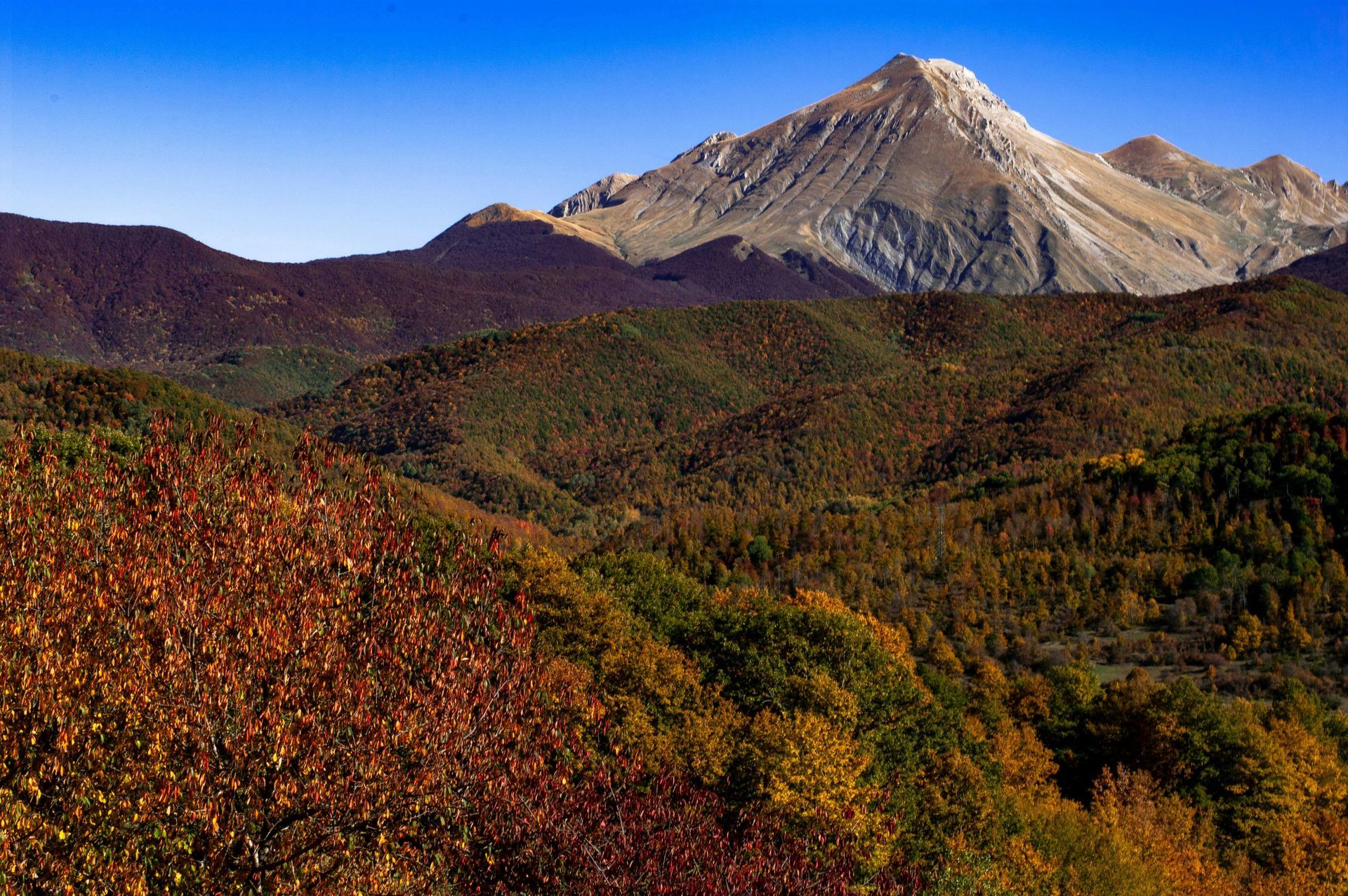
Villamagna, in Abruzzo's Chieti province, is where borGO runs this model in practice. It sits in a genuinely exceptional geographic position: mountains, coast, truffle valleys, and Italy's smallest DOC wine territory all within roughly 90 minutes in any direction. Gran Sasso to the north, the Trabocchi Coast to the east, the Majella massif to the south, and the Villamagna DOC vineyards practically on the doorstep. One anchor town, near-infinite variety.
What makes this more than just a pretty location is the network behind it. borGO works with over 160 local partners across Abruzzo: farmers, winemakers, artisans, mountain guides, small family-run restaurants and places to stay. Many have never worked with a tour operator before. That network is what converts a fixed base from a constraint into something richer than any multi-city circuit can offer.
A quick note on AI itineraries: if you've ever typed "7 day Italy itinerary" into a chatbot or clicked a algorithmically generated listicle, you already know what comes back. Florence. Siena. Maybe a day trip to San Gimignano. The algorithm optimises for the most-searched, most-photographed, most-linked destinations, which means it systematically ignores everywhere interesting. Abruzzo doesn't lose out despite being worth visiting. It loses out precisely because it hasn't been over-documented yet. Following that output doesn't just mean missing Abruzzo. It means settling for a version of Italy that millions of other people are experiencing at exactly the same time, in the same way, from the same viewpoints.
Day 1: Arrive, Settle, Slow Down
You have two options for getting to Abruzzo. Flying into Pescara's Aeroporto d'Abruzzo is the easier choice; it's a small, low-stress airport with direct connections from several European cities, and you're already inside the region. Flying into Rome Fiumicino gives you more international routing options, but adds roughly 2.5 to 3 hours of driving east along the A25 motorway. Either way, something happens on that drive that no itinerary can fully prepare you for. The motorway climbs, the plains flatten out behind you, and then the Apennines arrive. The light changes. The villages start appearing on ridgelines. Most people go quiet in the car at that point.
Villamagna sits in the Chieti province hills, surrounded by vineyards that produce its own DOC wine. Your borGO partner accommodation here is not a hotel in any conventional sense. It's stone walls that have been holding warmth since before anyone alive was born, shutters that actually close, and an evening soundscape of church bells and distant dogs rather than traffic. Check in slowly. Walk the building. Find the window with the best view and open it.
Dinner on the first night is not a performance. A partner restaurant or a local family's table means you eat what exists in the kitchen today, based on what was good at the market or harvested that morning. There is no laminated menu, no photograph of the carbonara. Someone will probably tell you what's in the glass. Pay attention.
After dinner, do very little. Walk toward the sound of conversation. Most Italian villages have one bar where locals actually drink, and it is almost never the one facing the main square with the chalkboard sign in English. Find it. Sit down. Let jet lag give you permission to simply be present rather than productive.
Travel communities planning 7 nights in Italy consistently describe the first day as wasted logistics. In a fixed-base itinerary, it isn't wasted at all. It's the whole point. Day 1 is for emotional orientation, not schedule-building. You're not learning where things are on a map tonight. You're learning what kind of place this is, and letting that settle in before the week properly begins.
Day 2: Into the Majella — Mountain Villages and Mountain Silence
The drive up into the Majella takes about forty minutes from Villamagna, and the landscape earns your attention the whole way. The massif rises to 2,793 metres at Monte Amaro, the highest point in the park, and the road into its interior passes through a terrain that shifts from olive groves to oak forest to bare limestone plateaus in the space of a single morning. This is a UNESCO Global Geopark, recognised for its extraordinary geological record, and the locals have a name for it that tells you everything: la Madre, the Mother Mountain. It has fed, sheltered, and shaped the communities around it for centuries.
The Orfento Valley Trail
For intermediate walkers, the Valle dell'Orfento is the route to know. The trailhead sits near the Park Visitor Centre in Caramanico Terme, a small medieval village perched at 613 metres in the heart of the park. From there, the 14-kilometre loop descends through forest, fords a small stream, and follows the Orfento river past stone bridges and a narrow ledge section with a steel safety rope fixed into the rock face above the water. Total elevation gain is 660 metres, duration roughly five and a half hours, and the return climbs through open fields with views across to Monte Morrone and Gran Sasso. It is the kind of walk that a printed trail map technically describes but does not adequately prepare you for.
What a Guide Actually Gives You
borGO works with mountain guides who have walked these paths since childhood, and the difference between following a map and walking with a local is not efficiency; it is an entirely different layer of information. A guide reads the season. In late spring they point out the wild herbs that the shepherds historically used to flavour cured meats. In autumn they know where the chamois tend to graze after the summer herds have moved on. They know which paths are ancient transhumance routes, worn into the limestone by centuries of flocks moving between winter lowlands and summer pasture, paths that appear on no published map. The Majella National Park itinerary covers the official highlights beautifully, but the shepherd knowledge lives in the people, not the pamphlets.
Caramanico Terme and the Villages of the Interior
After the hike, Caramanico Terme is worth an unhurried hour. The piazza is small and genuine, the kind where a bar has occupied the same corner for three generations. Stop into the local alimentari before you leave; the shelves tend toward mountain pantry essentials, local pecorino, dried porcini, and the kind of salumi that comes from pigs raised on mountain pasture rather than industrial feed. The village also sits at the edge of a broader cluster of medieval centres worth knowing: Pacentro, with its turreted castle rising above the valley, is photogenic in a way that feels earned rather than staged, and Roccamorice sits above the valley with the Eremo di San Bartolomeo nearby, a hermitage carved directly into the cliff face that explains in one image why this mountain is called the Mother.
The Traditions Being Documented Here
The Majella Geopark is also where borGO's cultural preservation initiative, borGOresta, is doing some of its most urgent work. Using AI-assisted documentation, borGOresta is recording the traditions, recipes, and crafts of villages in this area before they disappear with the last generation that carries them. The broader Abruzzo community consistently names this region for its food and its people, but the knowledge behind both is fragile. When you walk a shepherd path here, you are walking through living cultural heritage that is actively being documented. That context changes what a hike means.
By early evening you are back in Villamagna. Dinner is already decided; it is the same table you sat at last night, the same kitchen, and someone who knows how your day went. That is the fixed-base model in its simplest form: not checking into somewhere new, but coming home.
Day 3: Villamagna DOC — A Wine Day Done Right
Wine tourism in Italy has been growing at around 10% annually for the last five years, and in 2026 the shift is structural, not just statistical. Vineyards are no longer a pleasant afternoon detour from a city hotel. They are the destination. Travellers are booking stays around harvests, scheduling winemaker dinners before they book flights, and choosing regions specifically because of what's in the glass. Italy has more than 590 officially designated wine zones and over 500 native grape varieties, a scale no other country comes close to matching. Most visitors never get past the top ten.
A DOC That Wears Its Village on the Label
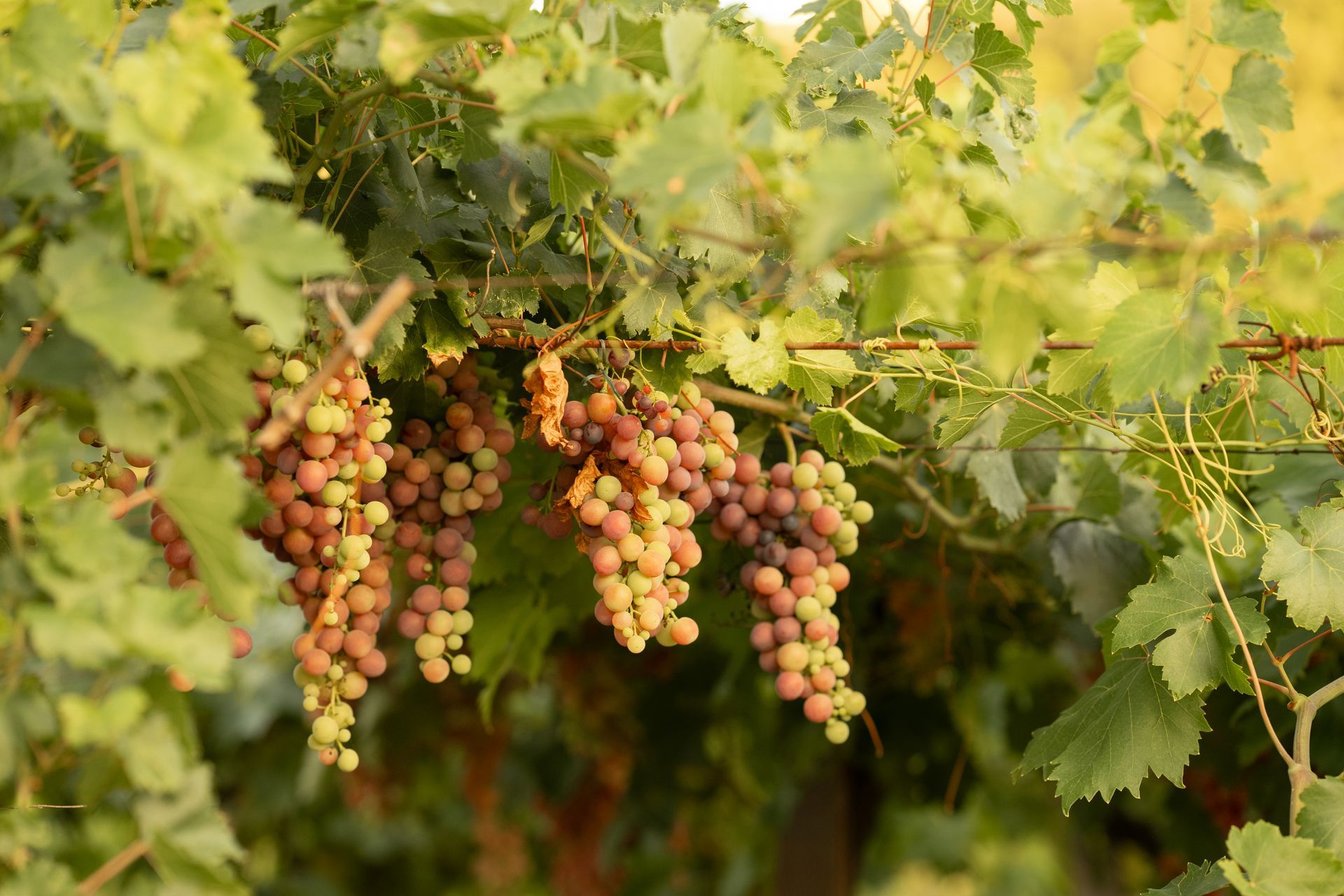
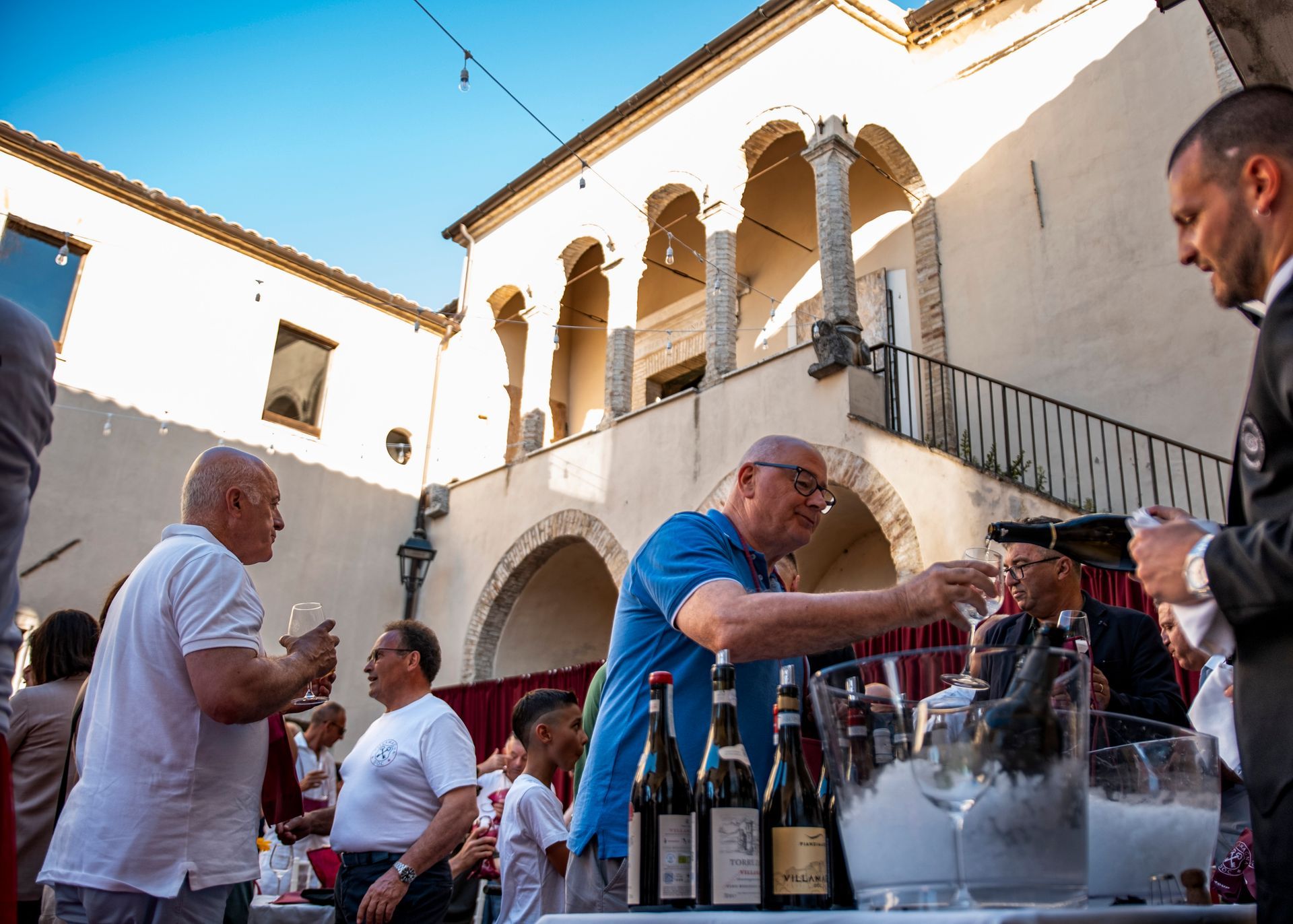
Villamagna DOC is one of Italy's smallest wine denominations, established in 2011 and covering only the commune of Villamagna in Chieti province. That precision matters. When a wine is simply labelled Montepulciano d'Abruzzo, it could come from valley-floor vineyards spread across four provinces. When it says Villamagna, it comes from here, from these hills, from this specific combination of clay-limestone soils, altitude, and the particular way the afternoon light falls on the slopes you have been looking at since you arrived. The grape is Montepulciano: dark fruit, firm tannins, a structure that holds up to a long meal. But the hill version has an intensity and a mineral edge that the broader regional label rarely delivers. Sleeping in the village and then tasting the wine that grows around it is a genuinely different experience from reading about it in a tasting note.
Morning: Walking the Rows
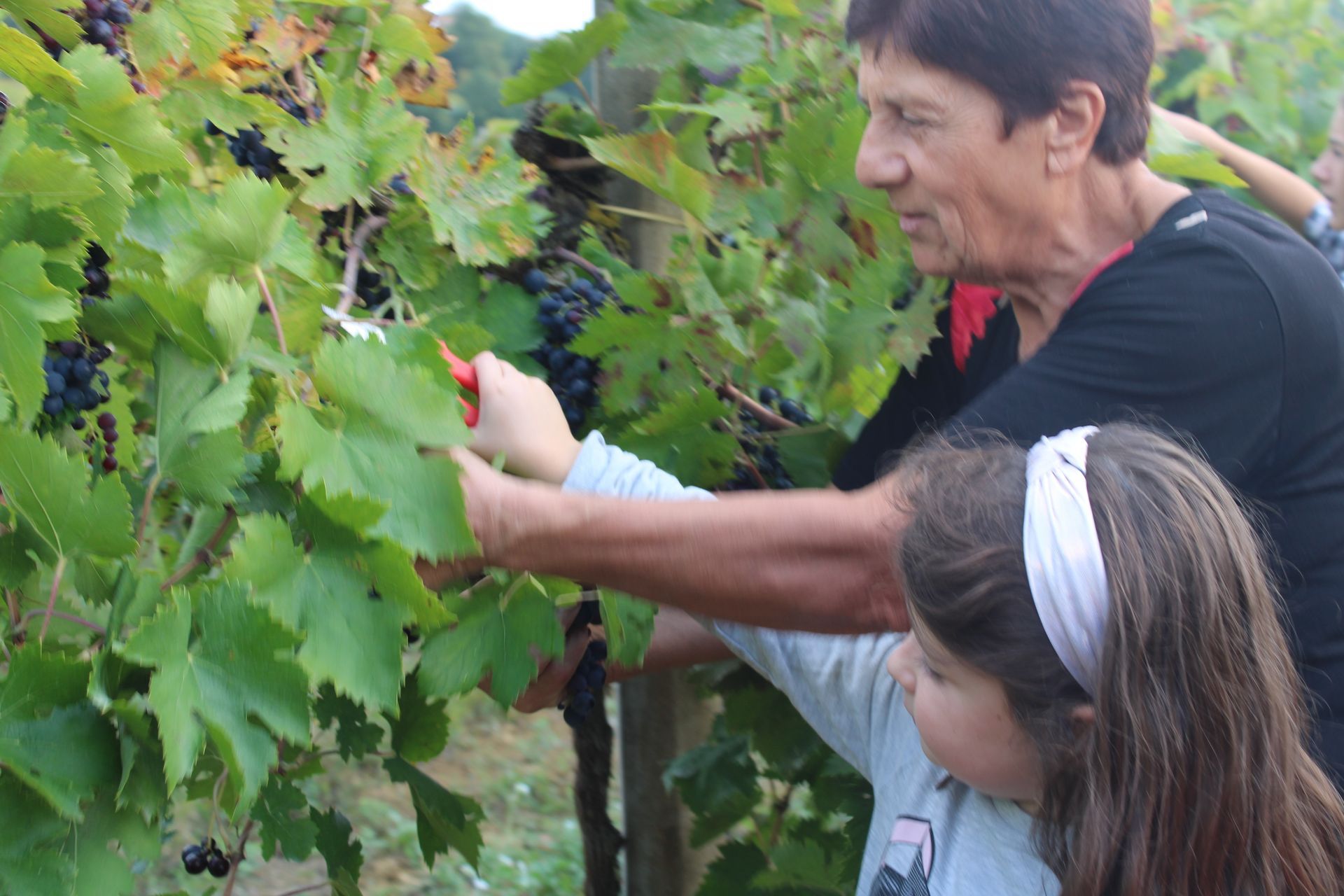
In the morning, you walk the vineyard with one of borGO's partner winemakers. What you learn in the rows depends on the season. In spring, you see the first growth and understand why the orientation of each vine matters. In summer, the canopy tells you about decisions made months earlier. In harvest season, the pace changes completely; there is urgency, and the winemaker talks differently when the fruit is actually in hand. No tasting note captures what it feels like to pull a cluster apart and understand, physically, why sugar and acid are in tension. That knowledge changes what you taste in the glass later.
Afternoon: Inside the Cantina
After lunch, the cantina. Barrels stacked in cool stone rooms, the producer explaining fermentation choices in the particular language of someone who learned from a parent who learned from a grandparent. This is not a guided tour with a script; it is a conversation with someone for whom winemaking is not a career pivot but a continuation. The questions you ask here, and the answers you get, are the kind that no curated wine tour package concentrated in Tuscany or Piedmont is built to accommodate.
Evening: The Food That Actually Goes With This Wine
The evening pairing is not designed by a sommelier. It is what the winemaker's family eats with this wine: maccheroni alla chitarra with a lamb ragu, arrosticini pulled off the grill, a wedge of aged pecorino, ventricina spread across bread. These combinations exist because they evolved together in the same place over generations. They are not interchangeable with a Chianti pairing, and that specificity is the point.
This day is structurally impossible on a Rome-to-Florence circuit. Villamagna DOC has no national tourism profile, no dedicated visitor infrastructure, and no listing in the standard wine tourism packages that dominate search results. As Into the Vineyard notes, most visitors to Italy barely scratch the surface of what the country offers in wine. Day 3 is proof of what lies beneath that surface, and proof that you can only reach it by staying put.
Day 4: Gran Sasso and Campo Imperatore — Italy's Little Tibet
Campo Imperatore stretches for roughly 27 kilometres across the Gran Sasso National Park, a vast treeless plateau sitting between 1,400 and 2,100 metres above sea level. At its northern edge rises Corno Grande, the highest peak in the Apennines at 2,912 metres, its upper slopes still holding the last perennial ice remnants on the Italian peninsula. The plateau is so strikingly open and steppe-like, so unlike anything else in central Italy, that it has earned a nickname used consistently by local guides and travel writers alike: Italy's Little Tibet.
The Plateau's Shepherd Soul
What makes Campo Imperatore more than just dramatic scenery is what the land remembers. For centuries, this was the summer terminus of the transumanza, the ancient seasonal migration of flocks from the warm lowland plains in winter up to these mountain pastures in summer. Shepherds would walk their sheep hundreds of kilometres, following routes called tratturi, some of which are still faintly visible as wide grassy corridors across the landscape. UNESCO recognised transumanza as intangible cultural heritage in 2019, but up here you don't need a certificate to feel its weight. Stone shepherd huts, called casolari, are scattered across the plateau, and in summer you'll still find sheep, cattle, and semi-wild horses grazing on grasslands that seem to have no edge. The solitude here feels earned rather than stumbled upon. It takes effort to get here, which is precisely why most travellers never do.
Walking with a borGO Guide
A borGO mountain guide partner leads today's walk across the plateau, and the route matters as much as the destination. The path follows a section of the Cammino del Gran Sasso, descending eventually toward Castel del Monte on the eastern side. In June and July, the plateau erupts in wildflowers: orchids, gentians, and mountain poppies push through thin soil in colours that feel almost improbable at altitude. Come August, the grasses go golden and the air carries a dryness that makes every breath feel clean. If you stay long enough into the evening before descending, the Campo Imperatore Observatory, active since 1934 and situated on the plateau itself, is a useful reminder of why astronomers built here. Light pollution is essentially absent, and on a clear night the sky rewards patience.
Castel del Monte and the Village Below
The descent brings you into Castel del Monte, a beautifully preserved medieval hill town that deserves at least an unhurried hour. The local saffron, Zafferano dell'Aquila, is considered among the finest in the world, harvested by hand each October from small family plots. Stop at the local pastificio, where pasta is still cut by hand using methods that haven't changed in three generations.
The Logistics That Keep This Place Off the Map
Gran Sasso appears constantly on wish-lists in Abruzzo travel forums, yet almost never makes it into a published seven-day itinerary. The reason is logistical. From Rome, you're looking at roughly two hours each way, the plateau road involves serious gradients, afternoon thunderstorms build quickly in summer, and the access window runs from late June through September at best. Most itineraries built around Rome simply can't absorb a day this demanding without losing two others to transit.
From Villamagna, the calculation changes entirely. You're on the plateau by mid-morning, the guide knows the weather patterns, and you're back at your base in time for dinner. Which brings up something you've probably noticed by Day 4: you haven't repacked once. Your boots are where you left them. Your room knows you now. That quiet continuity, easy to underestimate on Day 1, has become one of the best things about this week.
Day 5: Truffle Country and the Artisan Villages
The Majella foothills hold one of Abruzzo's most quietly guarded secrets. In the oak and hornbeam forests around Pescosansonesco and Sant'Eufemia a Maiella, both black and white truffles grow wild underground, nurtured by the region's red soil and the wet summers that pour down from the mountains. This isn't Périgord, and it isn't Alba. It's quieter, less codified, and almost entirely unknown to the international traveller who just ticked off Campo Imperatore yesterday.
The Hunt Itself
The borGO partner who leads this morning is a trifolao, a truffle hunter, and the distinction between what he does and what you might find on a tourist activity platform matters enormously. A working trifolao may keep upward of twenty dogs trained specifically for the hunt. The dog that goes out with you, likely a Bracco or similar pointer breed, isn't a prop. Watch closely: the dog circles the base of oak trees, switches direction with the wind, digs, and returns the truffle to its owner in exchange for a piece of sausage. That reward system, that specific transaction, is your signal that you're watching a real working partnership, not a demonstration staged for cameras. A genuine hunt in these forests typically yields results within an hour or two. A staged one tends to produce truffles on cue. The difference is visible if you know what to look for, and your trifolao will be the first to tell you that wild boar destroy up to 80% of black truffles in protected areas where hunting is restricted, which means every find is genuinely earned.
Lunch That Earns Its Truffle
Back at the farmhouse kitchen, what gets cooked is built around what was found. In Abruzzo, the vehicle of choice is chitarra pasta, a fresh egg pasta cut on a frame strung with guitar-like wire that gives it a distinctive square cross-section. It arrives with truffle shaved directly over the top, perhaps with a little butter or a good local oil. No cream. Not even a suggestion of it. The restraint is the point: the truffle's earthy, mineral aroma carries through minimal accompaniment, and adding cream would smother exactly what you came to taste. Truffle hunting in Abruzzo at its most local looks precisely like this: morning hunt, farmhouse table, ingredients and cook in the same place.
The Artisan Afternoon
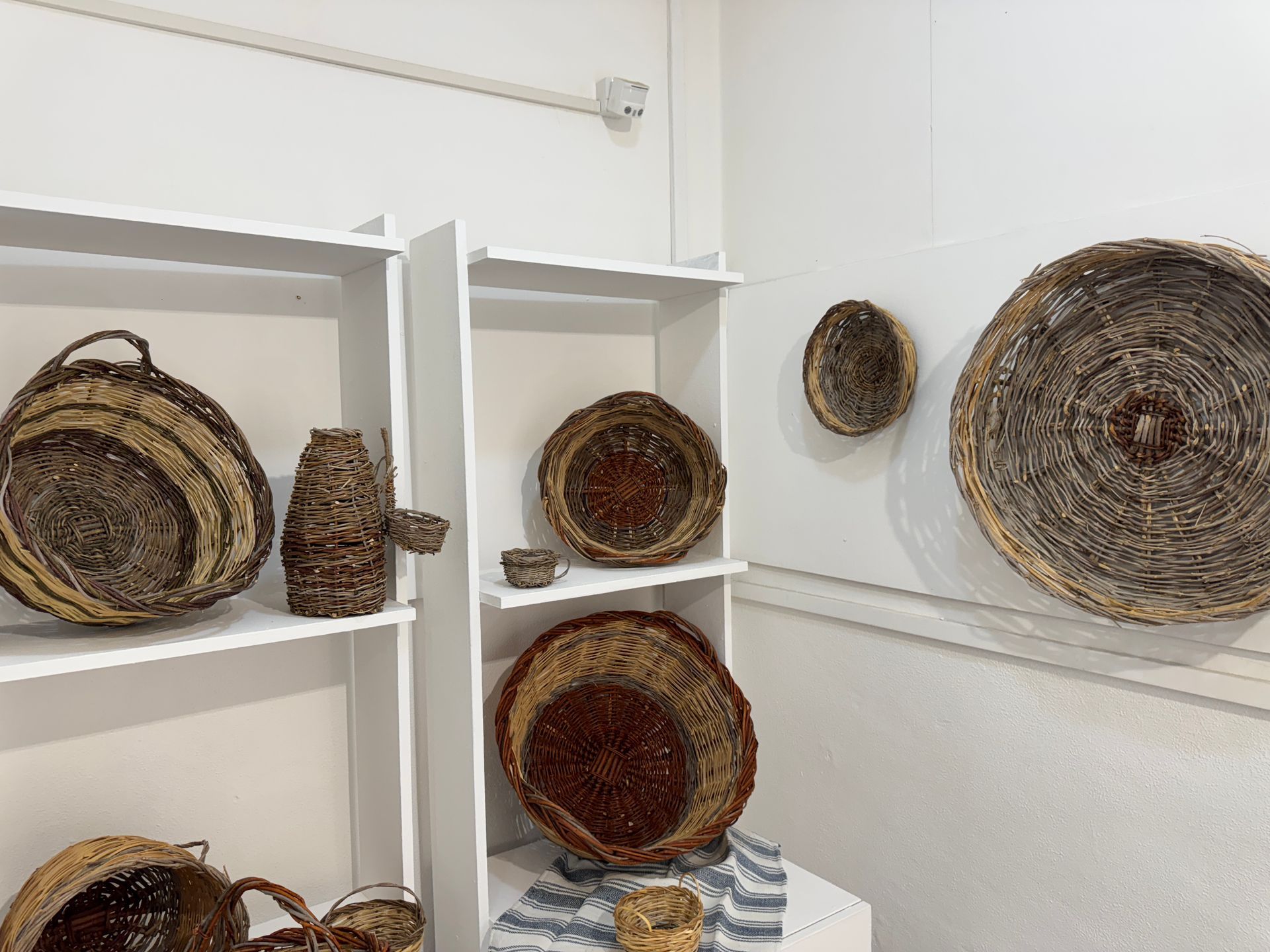
The afternoon moves into the villages themselves. Abruzzo has 24 communities on Italy's I Borghi Più Belli d'Italia register, and several of them are working craft centres, not open-air museums. The weavers of Pescocostanzo still practise traditions passed through generations; wrought iron and wicker work continue in workshops that predate modern tourism entirely. Some of these artisans are among the craftspeople whose knowledge borGO is actively working to record and preserve through the borGOresta initiative, using AI to document recipes, techniques, and stories before they disappear. When you sit with a weaver or a ceramicist this afternoon, you're not just watching a demonstration; you're part of a living archive.
Why the Fixed Base Earns This Day
Here's something worth understanding about how this morning came together. The trifolao doesn't advertise his territory. He doesn't take strangers into the forest. The invitation exists because borGO has spent years building a relationship with him, and because a week-long stay in the same village gives that trust time to develop. How truffle hunting actually works in Abruzzo makes clear that the knowledge embedded in these forests is personal and generational. You can't arrive on day one and earn access to it. The fixed-base model, staying rooted in one place for the whole week, is what makes today possible.
Day 6: The Trabocchi Coast
The Trabocchi Coast is one of those places that earns genuine surprise from first-time visitors, even seasoned Italy travellers who think they have seen it all. It runs for 42 kilometres along the Adriatic between the port town of Ortona and the clifftop city of Vasto, and it takes its name from the trabocchi: ancient wooden fishing machines that stand on stilts above the water, their long timber arms called antennae stretching out over the sea with nets suspended between them. The poet Gabriele D'Annunzio, who was born on this coast, described them as "colossal amphibian skeletons." He was not wrong. There are 25 of them along the shoreline, and the Abruzzo region has restored most of them not as museums but as working seafood restaurants perched directly above the Adriatic. That detail matters, and we will come back to it.
The Best Way In: Two Wheels, Not Four
The Ciclovia dei Trabocchi follows the route of a former railway line, the Adriatica, which ran this stretch of coast from 1863 until 2005. When the trains stopped, the tracks became one of Italy's most scenic cycling paths: flat, smooth, entirely car-free, and running right along the waterline for its full 42 kilometres. Total elevation gain across the route is around 320 metres, which means virtually anyone can complete it at a comfortable pace. You can rent bikes in Ortona or Vasto, including e-bikes if you want the option to cover more ground without the effort. The path is bookended by two medieval hill towns, and the ride gives you access to trabocchi, fishing villages, and clifftop abbeys that would be easy to miss from a car. Plan for around three hours of cycling if you want time to stop, explore, and eat properly.
Lunch as a Structural Experience
Book your trabocco table before you leave Villamagna in the morning. Most trabocco restaurants require advance reservations, especially in summer, and walk-ins are rarely accommodated simply because the platforms are small by design. What you order will depend on the day's catch, which is genuinely the point: expect crudi, spaghetti alle vongole, frittura di paranza, and whatever came up in the nets that morning. The menu is not the main event, though. The experience of sitting on a wooden platform cantilevered over open water, eating fish that was caught below you, with the Adriatic moving underneath the floorboards, is something that resists easy description. Italians light up when you tell them you are planning to eat frutti di mare on a trabocco. That reaction tells you something about what this place means locally.
The Villages Worth a Detour
Several small towns sit just above the cycling path and reward even a thirty-minute walk uphill. Rocca San Giovanni is a compact medieval village with sea views that few first-time visitors find on their own. San Vito Chietino sits just above one of the most photographed trabocchi on the coast. Fossacesia is home to the Abbazia di San Giovanni in Venere, a Benedictine abbey built over the foundations of an ancient Roman temple dedicated to Venus, set on a clifftop with broad views across the water. It is the kind of place that would anchor an entire day trip in almost any other Italian region. Here, it is a forty-minute detour on your way back to the bike.
Why the Fixed-Base Model Makes This Possible
Villamagna sits roughly 45 minutes from the Trabocchi Coast by car. You leave after breakfast, spend a full day cycling, eating, and exploring, and you are back in the borgo for aperitivo. No hotel change. No repacking. No navigating a new town at the end of a long day. That is the structural advantage most standard Italy itineraries simply cannot offer. The typical multi-city route treats coast and mountains as separate legs of the journey, because in most Italian regions they genuinely are. In Abruzzo, the Gran Sasso is roughly 40 kilometres from the Adriatic. The Majella meets the sea within the same hour's drive. Building a 7-day itinerary around a single village means Day 5 can be truffle forests in the hills and Day 6 can be the Adriatic coastline without any logistical friction between the two. That kind of geographic compression is genuinely rare in Italy, and it is one of the reasons Abruzzo rewards a fixed-base approach more than almost anywhere else in the country.
Day 7: Market Morning, Last Lunch, and the Slow Goodbye
The last morning starts early, and that is the whole point. Villamagna's weekly mercato pulls in vendors who are, in many cases, the same people you have spent the week eating with, hiking beside, and hearing stories from. The olive oil producer whose groves you may have walked past on Day 1. The pasta maker whose dried spaghetti alla chitarra has been on the table every evening. A beekeeper with local wildflower honey, and the preserves stall where small jars of truffle paste sit alongside everything else the season has decided to offer. What is on the stalls depends entirely on when you visit, and that seasonal variation is not a limitation; it is the whole argument for coming back.
The final lunch is a deliberate ritual in borGO's itinerary design. You return to the same partner restaurant or farmhouse where you sat on Day 1, probably uncertain and still adjusting. The table is the same. The relationship is not. You now know the name of the person who cooked for you, something about their family, possibly which football team they argue about. That shift, from guest to familiar face, is what the fixed-base week quietly produces without announcing it.
What you actually carry home is harder to pack. The name of the winemaker from Day 3. The truffle hunter's dog, who had no patience for strangers on Day 5 and considerably more by the end. The sound the village makes at six in the morning before anyone else is awake. These are not items on a highlights reel; they are the texture of having actually been somewhere.
Leaving from one place you know, rather than a final unfamiliar city still being deciphered, is borGO's design intent made physical. There is no rushed checkout in a hotel you arrived at forty-eight hours ago. The unhurriedness is structural, built into the whole week.
The borGO newsletter carries seasonal updates, new partner stories, and programme announcements across all four seasons of Abruzzo. borGOresta's ongoing work documenting village recipes, crafts, and oral traditions means the place you visited continues to be recorded and kept. And the market in October looks nothing like the market in June. That is reason enough to come back.
What This Itinerary Is Not
Rome is extraordinary. Florence is extraordinary. Venice is extraordinary. If you have never been to Italy before, the classic circuit is not a compromise; it is the correct answer, and anyone who tells you otherwise is being precious about it. Those cities contain some of the most concentrated human achievement on earth, and three nights in Rome alone will not be enough. This itinerary has no argument with any of that.
What it does challenge is the structure of moving between four or five cities inside seven days. Every transit absorbs a morning or afternoon. Every new hotel means an hour of orientation before you begin feeling like yourself again. You end the week with a camera full of iconic images and a memory that, if you are honest, feels more like a highlight reel than an experience. One traveller in an Italy planning forum described a fast multi-city trip this way: "You will be packing, transporting and missing the essence." That is not a failure of the itinerary. It is simply what that format produces.
Here is where the crowd question becomes practical. More than 60% of 2026 travellers say they are willing to change their destination or travel style specifically to avoid overcrowding. Abruzzo is the region where Italians themselves choose to holiday, not because it is undiscovered, but because it has never needed to market itself to tour buses. The infrastructure here was built for people who stay, not people who pass through.
There is also an algorithmic problem worth naming directly. If you typed "7 day Italy itinerary" into any AI tool recently, you received Florence, Siena and San Gimignano, probably in that order. That output is not wrong. It is simply trained on the majority use case: first-timers, and it has no way of knowing you have already stood in the Piazza del Campo twice.
This itinerary is written for the repeat visitor. For the conscious traveller who has come back from a previous Italy trip feeling like they saw a great deal and touched very little. For anyone ready to trade breadth for the slower, stranger, more lasting kind of memory.
Practical Notes for Planning Your Abruzzo Week
When to go: Late April through June is the sweet spot. The Majella is still wearing its wildflower coat, temperatures in the valleys sit comfortably in the low-to-mid twenties, and you will not be sharing the roads with anyone in particular. September and October run it close for second place; harvest season fills the villages with activity, truffle hunting opens up in the oak forests, and the mountains take on a more dramatic, amber-edged quality that photographers chase for good reason. July and August work, but the valley heat is real and Italians take their own holidays in August, so expect fuller roads and busier restaurants even in quieter regions.
Getting here: Pescara Abruzzo Airport (PSR) punches above its size when it comes to European connections. Direct routes run from Amsterdam, Brussels, London Stansted, and several German and Scandinavian cities, which makes it genuinely convenient for borGO's core audience. If you need more flexibility on dates or routing, Rome Fiumicino (FCO) is roughly two and a half hours by car and connects from almost everywhere. Picking up a rental car at either airport sets you up perfectly for what comes next.
Getting around: Rent a car. The fixed-base model actually makes this less stressful than it sounds; you drive out from the village each morning and return the same evening, rather than navigating from city to city with luggage in the boot. It is a completely different relationship with a hire car.
What to pack: Layers matter more than you might expect. The Majella plateau runs noticeably cooler than the valley below, sometimes by ten degrees or more, even in summer. Bring walking shoes with actual grip for vineyard paths and forest trails. And pack a bag with some spare room for Day 7's market.
Language and lead time: English is spoken across all borGO partner venues, but a few words of Italian will earn you a lot of warmth in villages where the local dialect is thicker than anything a phrasebook prepares you for. On booking: borGO builds itineraries around partner availability, and experiences like truffle hunts and private winemaker visits have limited capacity. Four to eight weeks of lead time is sensible for peak season, and some experiences need more.
Seven Days Is Enough — If You Use Them Right
Seven days in one village, with the right local network behind you, consistently produces something that seven days across five cities simply cannot: the feeling that you actually went somewhere. Not through somewhere. The "not enough time" anxiety that plagues the classic Italy sprint is not a problem of duration; it is a problem of design. This itinerary is built on a different design logic, and if it has resonated with how you want to travel, the next step is straightforward.
For travellers: get in touch with borGO to talk through a version of this week tailored to your specific situation. The framework stays the same; the details shift significantly depending on when you travel, how many of you there are, and what pulls you most, whether that is food and wine, hiking, archaeology, artisan craft, or something quieter altogether. A couple arriving in October experiences a fundamentally different week from a family visiting in May, and that is by design, not accident.
For tour operators and travel designers: borGO operates as a licensed incoming operator in Abruzzo with 160+ local partners built over years of on-the-ground relationship work. That supply-side infrastructure is not replicable quickly. If your portfolio needs a credible, locally embedded Abruzzo product, borGO is the ground partner that makes it possible.
This itinerary exists because Guido Cucchia grew up in Abruzzo, spent a decade abroad, and came home with a specific purpose: to build a tourism model that keeps economic value and cultural attention inside the villages. Every booking here channels spending directly to local producers, guides, hosts and artisans. The itinerary is that model made concrete.
Conclusion
Abruzzo won't show up on most people's Italy highlight reels, and that's exactly the point. This seven-day fixed-base itinerary proves that slowing down, staying put, and going deeper delivers something the classic tourist trail simply cannot: a trip that actually feels like it happened to you.
Here's what to take with you: the fixed-base approach saves time and energy, the region's food and villages rival anything in Tuscany, and the absence of crowds makes every moment feel more real.
You don't need a packed itinerary and four cities to feel like you've truly seen Italy. You just need the right one region.
Ready to start planning? Pin this itinerary, share it with your travellers.