Guardiagrele: The Abruzzo Town Where Iron, Copper and Gold Are Still Handmade
Most people pass through Guardiagrele on the way to the Majella National Park and don't stop. That's a mistake anyone who works with their hands would tell you not to make. This is a town whose entire identity is built on craft — not as a tourist performance, but as a trade that's been handed down, workshop to workshop, since before the town had a name recognisable on modern maps.
New to Abruzzo? Read our Travel Guide or explore what we can do for you.
A Town Built on Metal
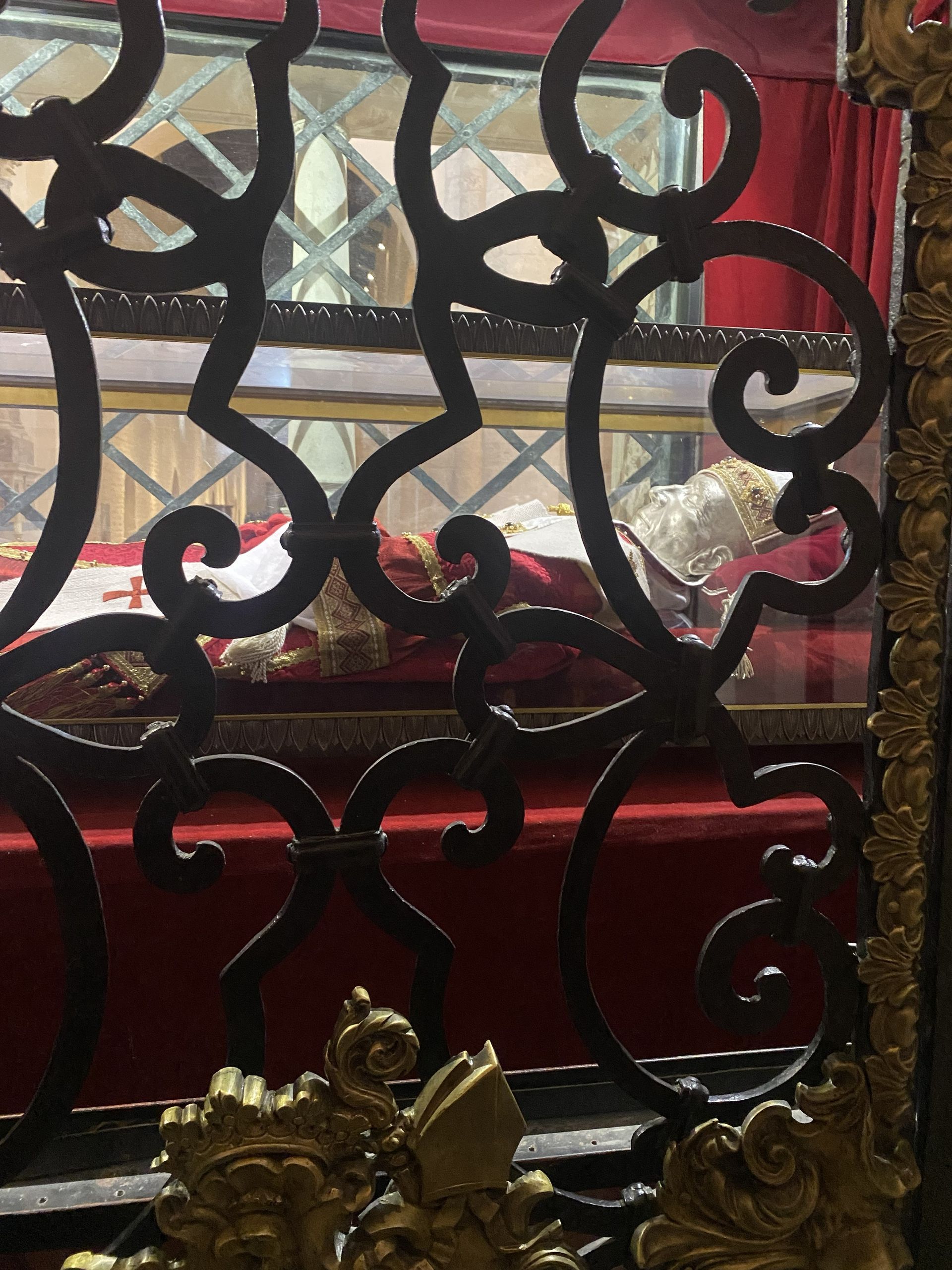
The history of Guardiagrele is inseparable from metalworking. Wrought iron, goldsmithing, jewellery-making, copper and woodworking are all still practised here, with stone and ceramic work continuing in the villages nearby. Walk the centro storico today and you'll pass workshops where blacksmiths — true iron artists — still make gates, banisters, chandeliers and frames by hand, the same way the trade has always worked: fire, hammer, anvil, patience.
The oldest documented wrought iron workshop in town, opened under the Di Prinzio name in 1856, is still associated with generations of blacksmiths and farriers who passed the craft from father to son. It's a useful reminder that "artisan tradition" in Guardiagrele isn't marketing language — it's a family business that's been running for over 150 years.
The Copper Trade
Guardiagrele's coppersmiths have equally deep roots. While industrial production has taken over most copperware elsewhere, artisan workshops in town still hand-make pans, cauldrons, braziers, planters and kitchen tools "with an ancient flavour" — pieces shaped the same way they were before copper became something you buy in a department store.
Nicola da Guardiagrele and the Gold
In the 15th century, the skill of a single goldsmith — Nicola da Guardiagrele — helped establish Abruzzese goldsmithing as a recognised art form. His work still shapes how the region's gold and silver craft is understood today, and Guardiagrele's goldsmiths carry that lineage forward, working filigree and jewellery in workshops not far from where he would have worked.
What to Do Beyond the Workshops
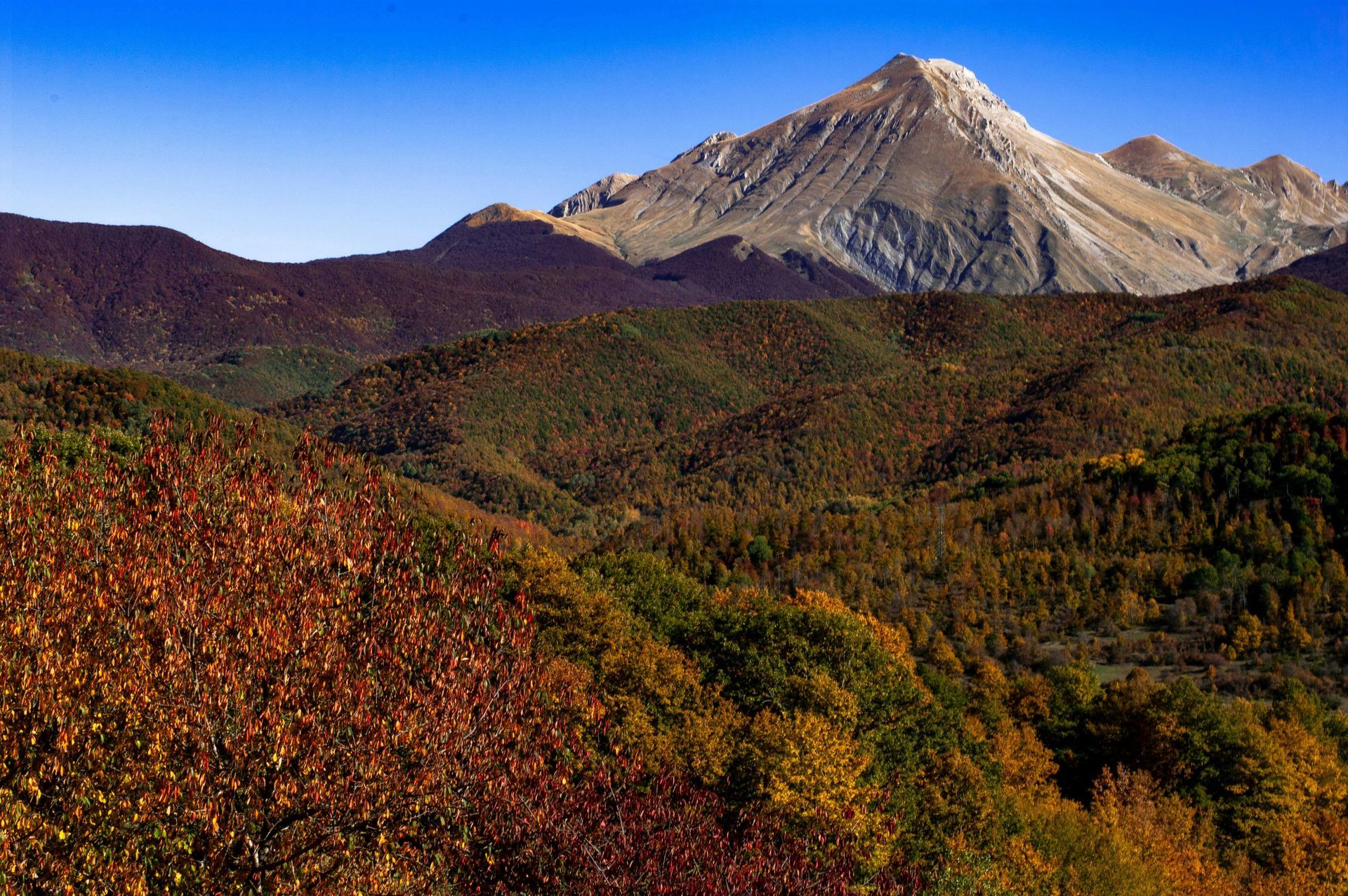
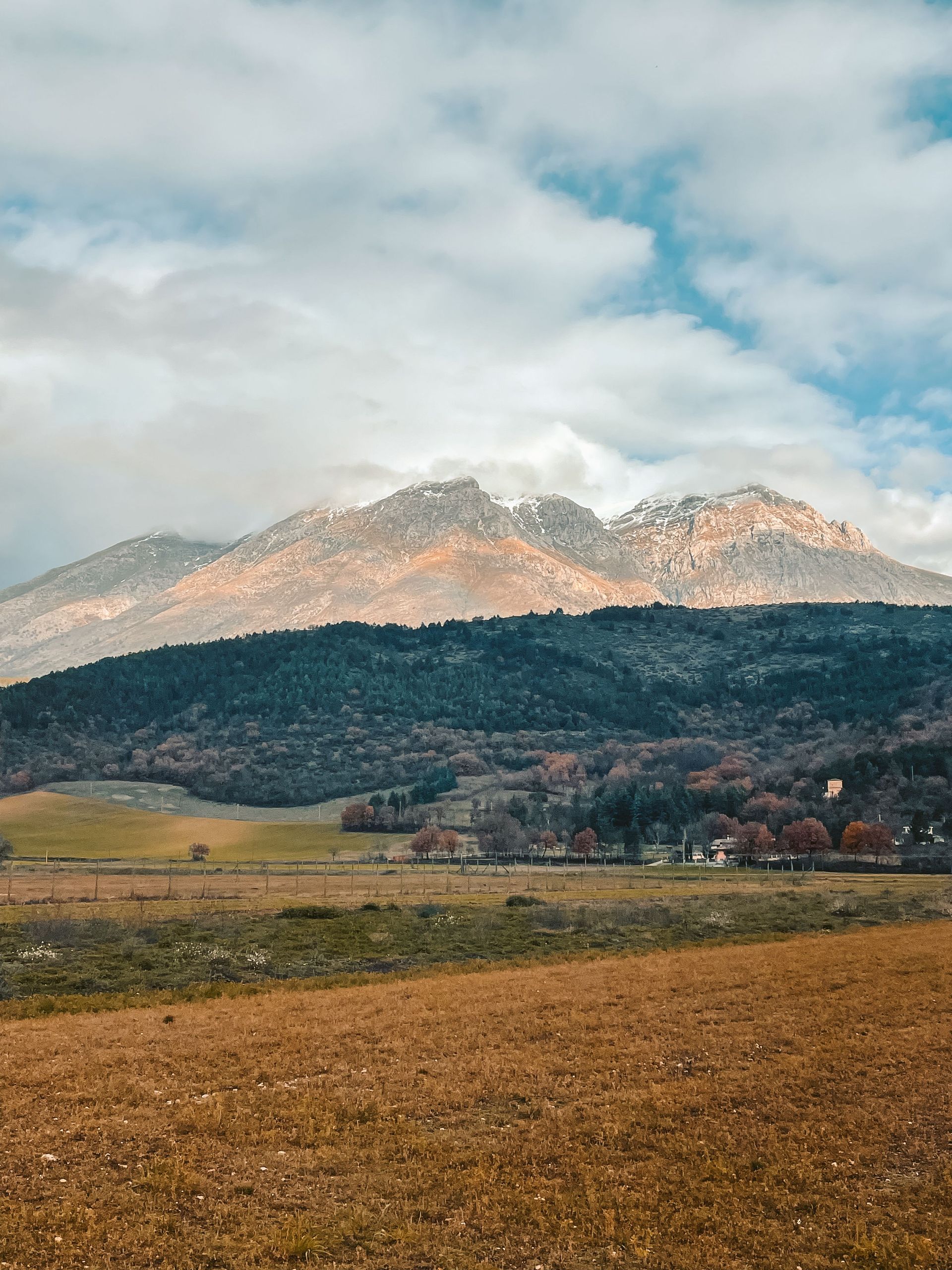
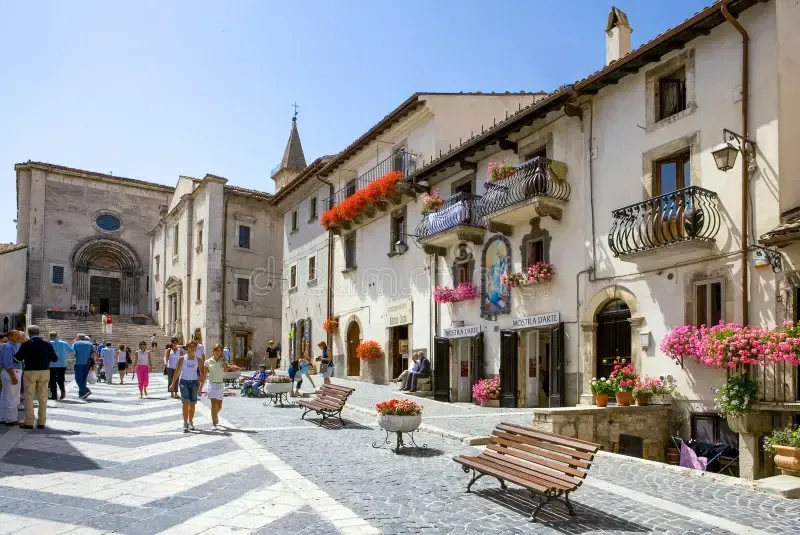
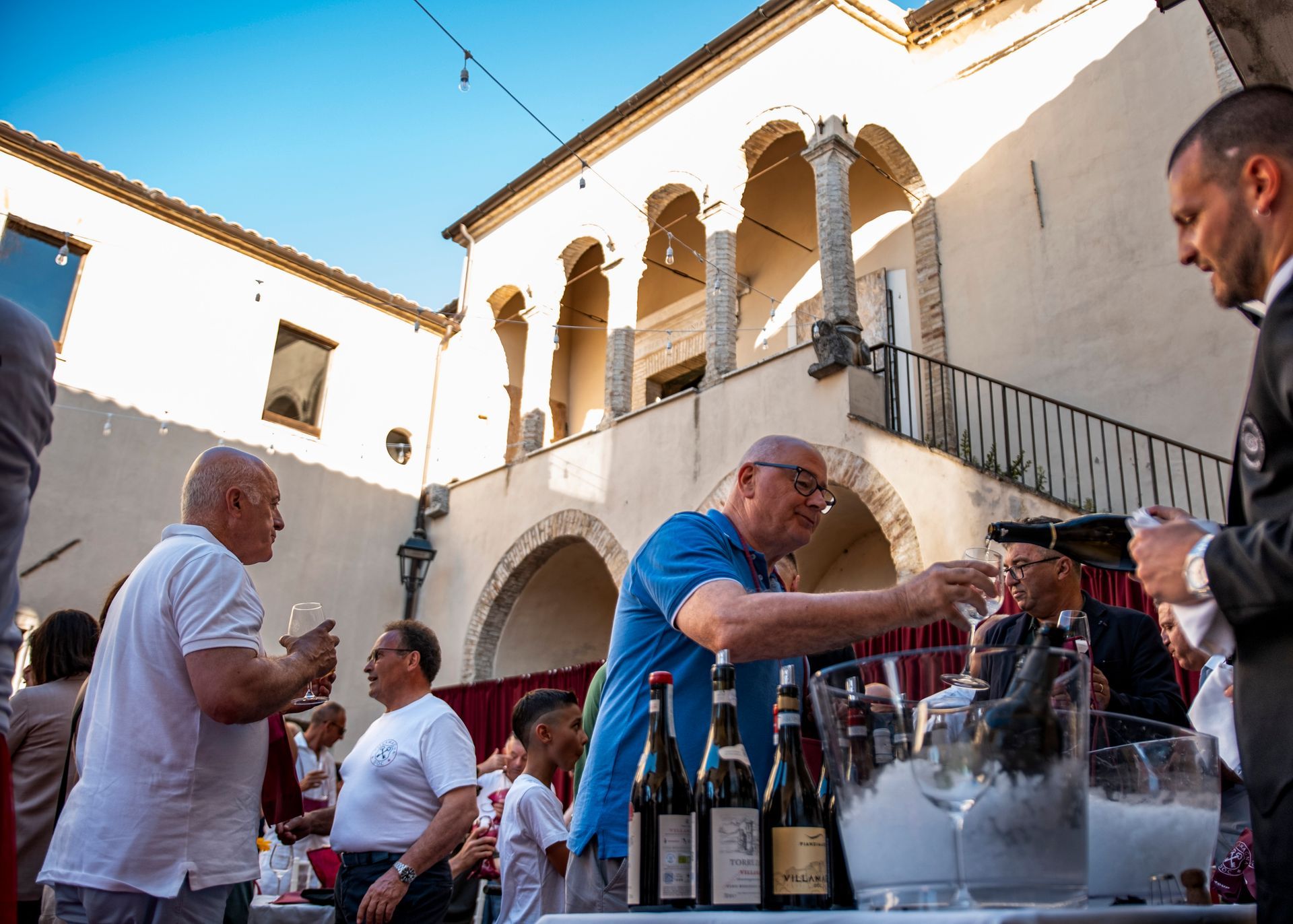
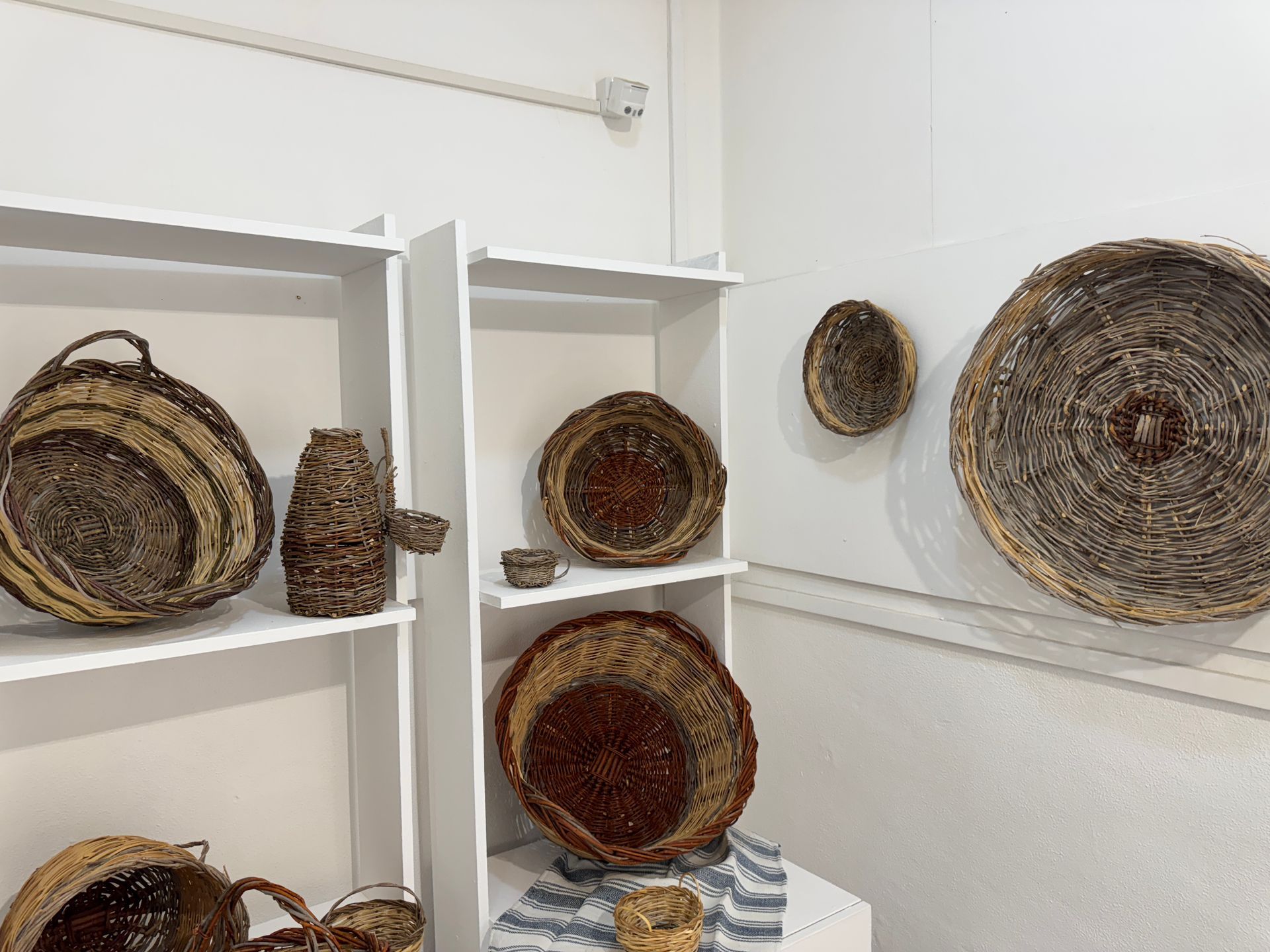
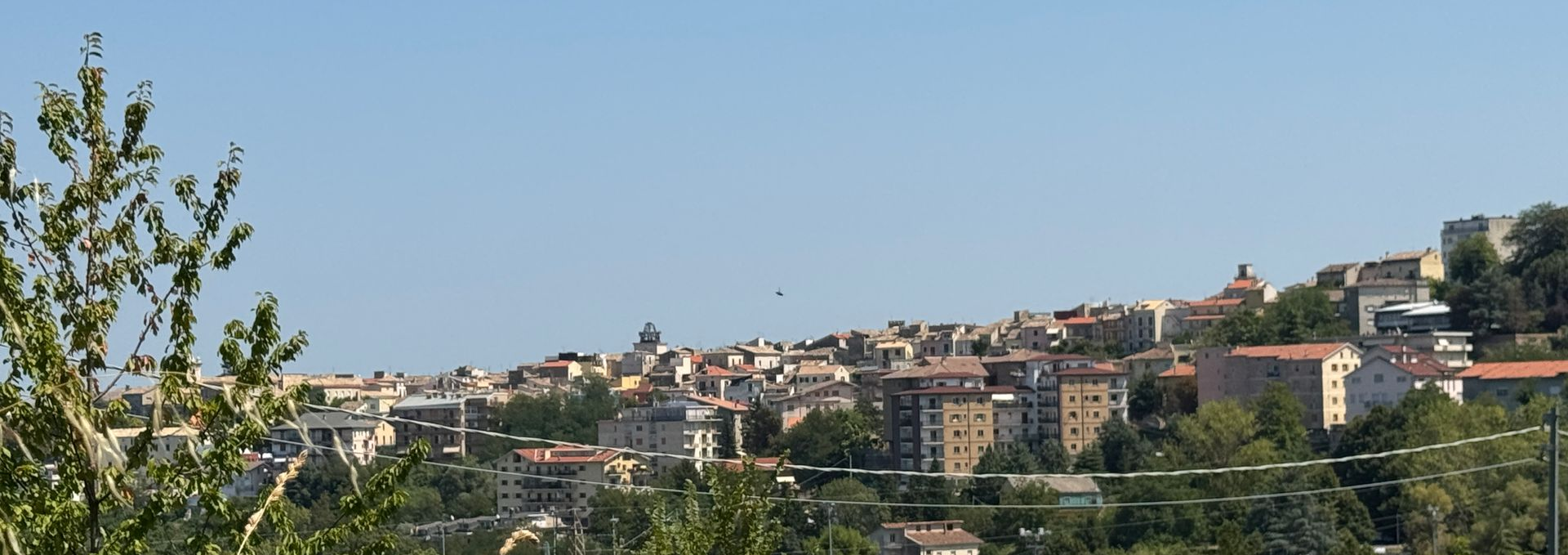
Guardiagrele sits at the edge of the Majella National Park, and the town itself rewards an unhurried walk: the Cattedrale di Santa Maria Maggiore, with its bell tower and frescoes, the narrow medieval streets that make up the centro storico, and views out toward the Majella massif that explain why this particular spot became a hub for artisans who needed both raw materials from the mountain and a defensible hill town to build a trade in. Come in August and you'll catch the Mostra dell'Artigianato Artistico Abruzzese in full swing — the region's biggest showcase of exactly the crafts described above.
Beyond Guardiagrele: A Fuller Day
Fancy building out the visit into a longer day? A few very different villages sit close enough to make it worthwhile.
- Fara Filiorum Petri is best known for the Farchie: enormous reed bundles, about a metre wide and ten metres tall, raised upright and set alight every 16 January for the Feast of Sant'Antonio Abate. The tradition runs back more than two centuries, tied to a local story of the saint protecting the village during the French invasion of 1799. Outside festival season it's a quiet stop, easy to pair with Guardiagrele on the same day.
- Pretoro and Pennapiedimonte both sit on the Majella side, a short drive away, and either makes a good second stop depending on what you're after: Pretoro for a quieter mountain village, Pennapiedimonte for one where borGO already runs experiences you can book directly.
How borGO Takes You There
Guardiagrele sits close to where we're based, and we've been sending travellers into its workshops for years. We don't do bus tours through the centro storico. We build the day around what you actually want to see and eat.
That can look like:
- A guided walk through the centro storico with introductions to specific artisans, the ones you'd otherwise never think to knock on
- A stop timed around a fresh batch of sise delle monache, or a visit to the Museo del Costume when it fits your schedule
- A private transfer from Pescara, Chieti or L'Aquila that folds Guardiagrele into a wider day or multi-day route through Pennapiedimonte, Pretoro or the Majella
Explore our history and culture experiences, or tell us what you're picturing and we'll put together the rest.
Check our experiences
Our Frequently Asked Questions
What is Guardiagrele known for?
Guardiagrele is one of Abruzzo's principal centres for artisan craft: wrought iron, copper work and goldsmithing in particular, with a documented tradition going back to the 15th century and workshops still operating today.
Is Guardiagrele worth visiting?
Yes, especially if you're drawn to living craft traditions rather than museum displays. The workshops are working businesses, not recreations, and the town's position at the edge of the Majella adds a strong outdoor dimension to a visit.
How much time should I spend in Guardiagrele?
Half a day covers the centro storico and a few workshop visits comfortably. A full day lets you add a walk into the Majella foothills or a stop in a neighbouring village like Rapino, Pretoro or Pennapiedimonte.
Can I visit the workshops, or are they closed to the public?
Many welcome visitors, particularly during the Mostra dell'Artigianato in August, though hours vary by workshop. We can arrange a guided visit with a local who knows which doors to knock on.