Travelling to Abruzzo, Italy is simpler than it looks. The region sits about two hours east of Rome and packs three national parks, medieval stone villages and an Adriatic coast into one compact trip. For a first visit, plan 5 to 7 days: base yourself in Sulmona or near Gran Sasso, add a few coastal days, and go in late May to June or mid-September to early October. Rent a car, or have transfers arranged so you never have to drive the mountain roads yourself. Plenty of Italian-American families trace their roots here, and many travellers who know Rome, Florence and Venice well have yet to explore this side of Italy. We're borGO, a slow-travel tour operator based in Abruzzo, and this guide covers getting there, the parks, villages and coast, and when and where to stay.
Key takeaways
- Trip length: 5 to 7 days works best for a first visit.
- Best seasons: Late May to June or mid-September to early October suit hiking and coast together.
- Best base: Sulmona is the best compromise for most first-timers.
- Getting around: A car is the most practical option, though arranged transfers work too.
- First park: Choose Gran Sasso for big views, Majella for history, Abruzzo, Lazio e Molise for wildlife.
Where is Abruzzo, and how do you get there from Rome?
Abruzzo is in central Italy, east of Rome, in the strip between the Apennines and the Adriatic. You can ski, hike and swim within a short drive of one another. Your main reference points are L'Aquila, Sulmona, Pescara and the Costa dei Trabocchi. The region holds dozens of officially recognized "most beautiful villages," which is why it rewards slow exploring.
By car, take the A24 (Autostrada dei Parchi) toward L'Aquila and Teramo; the A25 branches off to Pescara. Driving from Rome to Pescara takes roughly 2 to 3 hours depending on traffic and stops, and other destinations vary. Buses leave mainly from Roma Tiburtina, and on some routes from Fiumicino or Ciampino, for L'Aquila, Pescara, Teramo, Avezzano and Sulmona. Trains serve Avezzano, Sulmona and Pescara, and Rome to Pescara takes roughly four hours.
Do you need a car once you arrive? For cities and the coast, no: trains and TUA Abruzzo buses connect them well. Trailheads and hilltop villages are where public transport thins out. A good compromise is to take a train or bus to Pescara or L'Aquila, then rent a car locally. American travelers should know that most rental cars in Italy are manual, so reserve an automatic well ahead, as they are limited.
If you'd rather not drive mountain roads after a long flight, we arrange train tickets and private transfers from Rome or Pescara. Whatever you choose, check current Trenitalia, TUA and bus timetables before departure.
What are Abruzzo's three national parks, and which one should you visit first?
Start with Gran Sasso e Monti della Laga if you want big landscapes, Majella if you want walking with history, and Abruzzo, Lazio e Molise if wildlife is the draw. Each park has its own character, so your first pick depends on what you want from a day outdoors.
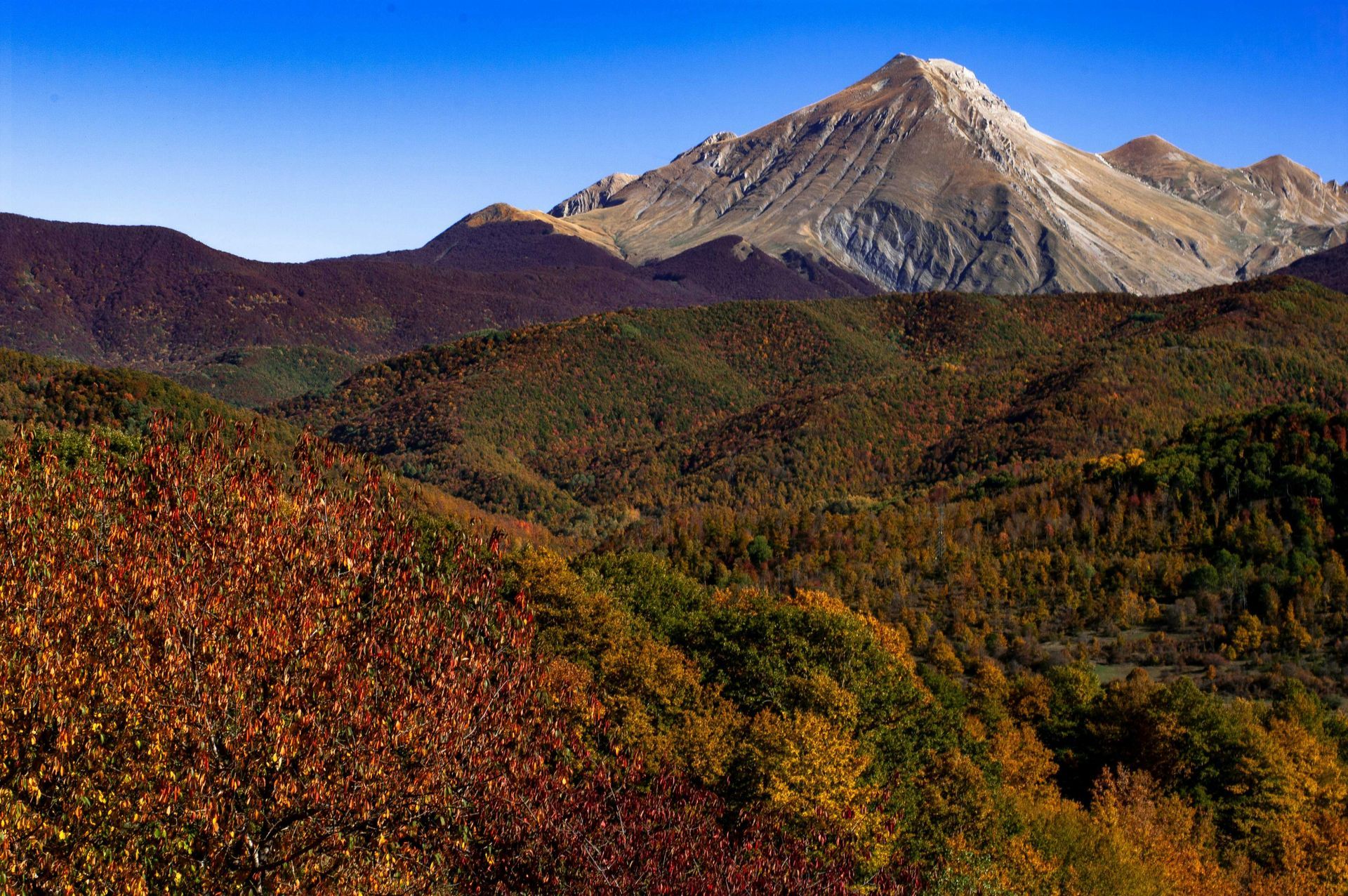
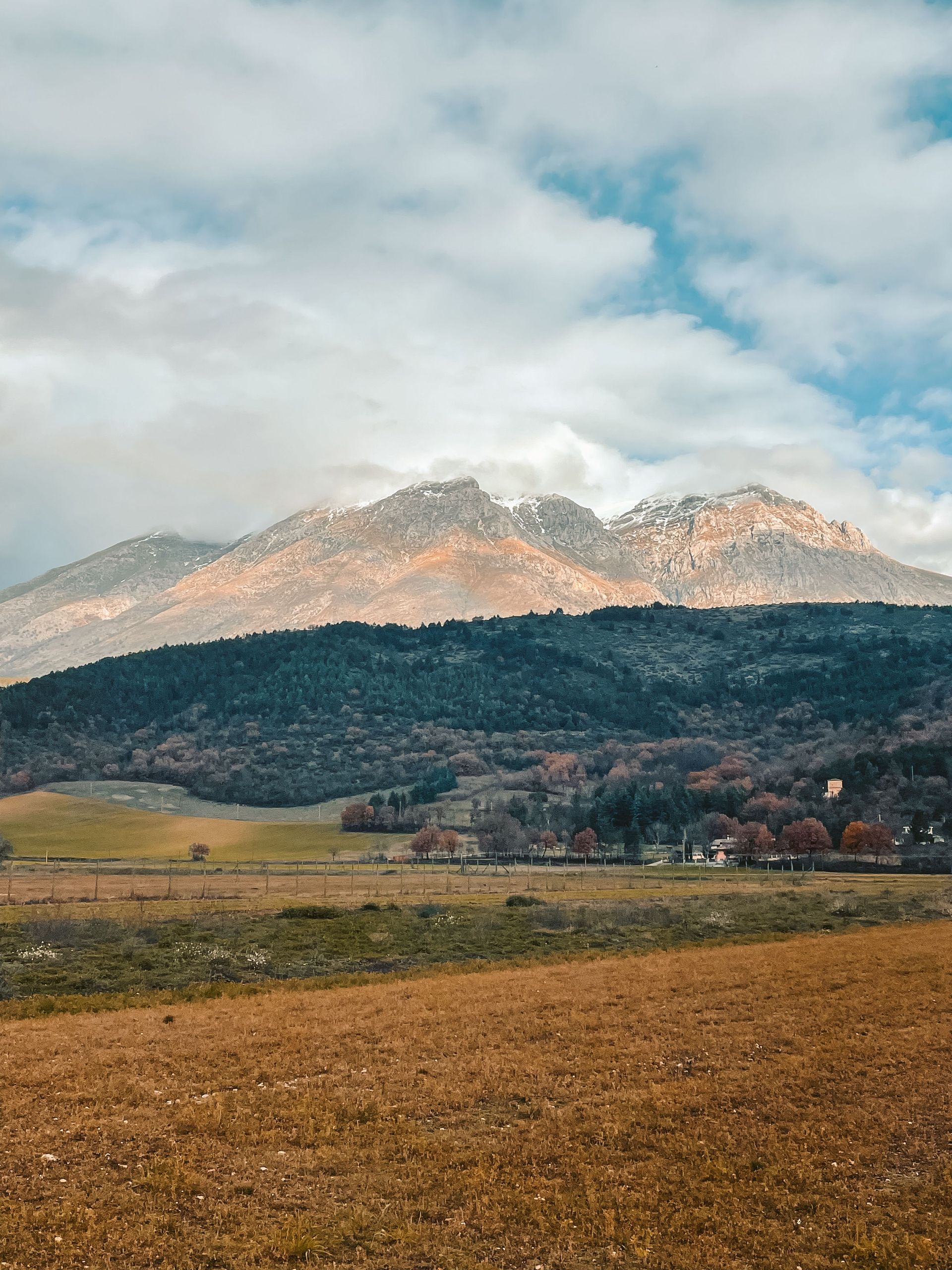
Gran Sasso e Monti della Laga is the big-sky park. It holds Corno Grande, the highest peak in the Apennines, and the vast Campo Imperatore plateau. It suits hiking, cycling, horseback riding and wildlife watching.
Majella is for forest trails, caves and rock-cut hermitages, with mountain villages along the way. Sulmona is the natural base. It's best for travelers who like to pair a walk with a story.
Abruzzo, Lazio e Molise is especially good for wildlife-focused visits. Base yourself in Pescasseroli, Barrea or Civitella Alfedena. The park is known for the Marsican brown bear, Apennine wolf, chamois and deer. Sightings are never guaranteed, but a guided walk helps you read the landscape and observe animals safely and respectfully.
Two short detours are worth adding. The Gole del Sagittario near Anversa degli Abruzzi pairs well with Scanno and its lake. The Stiffe Caves near San Demetrio ne' Vestini make an easy, family-friendly outing.
Which villages and hill towns belong on a first Abruzzo travel itinerary?
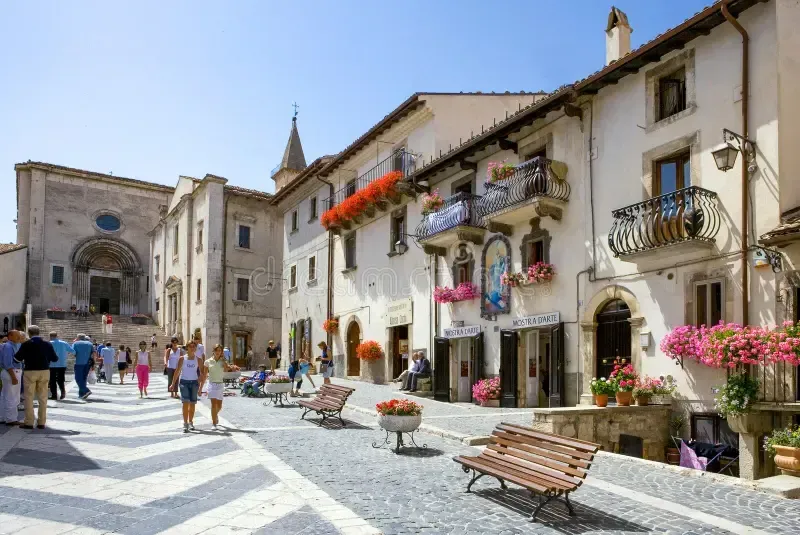
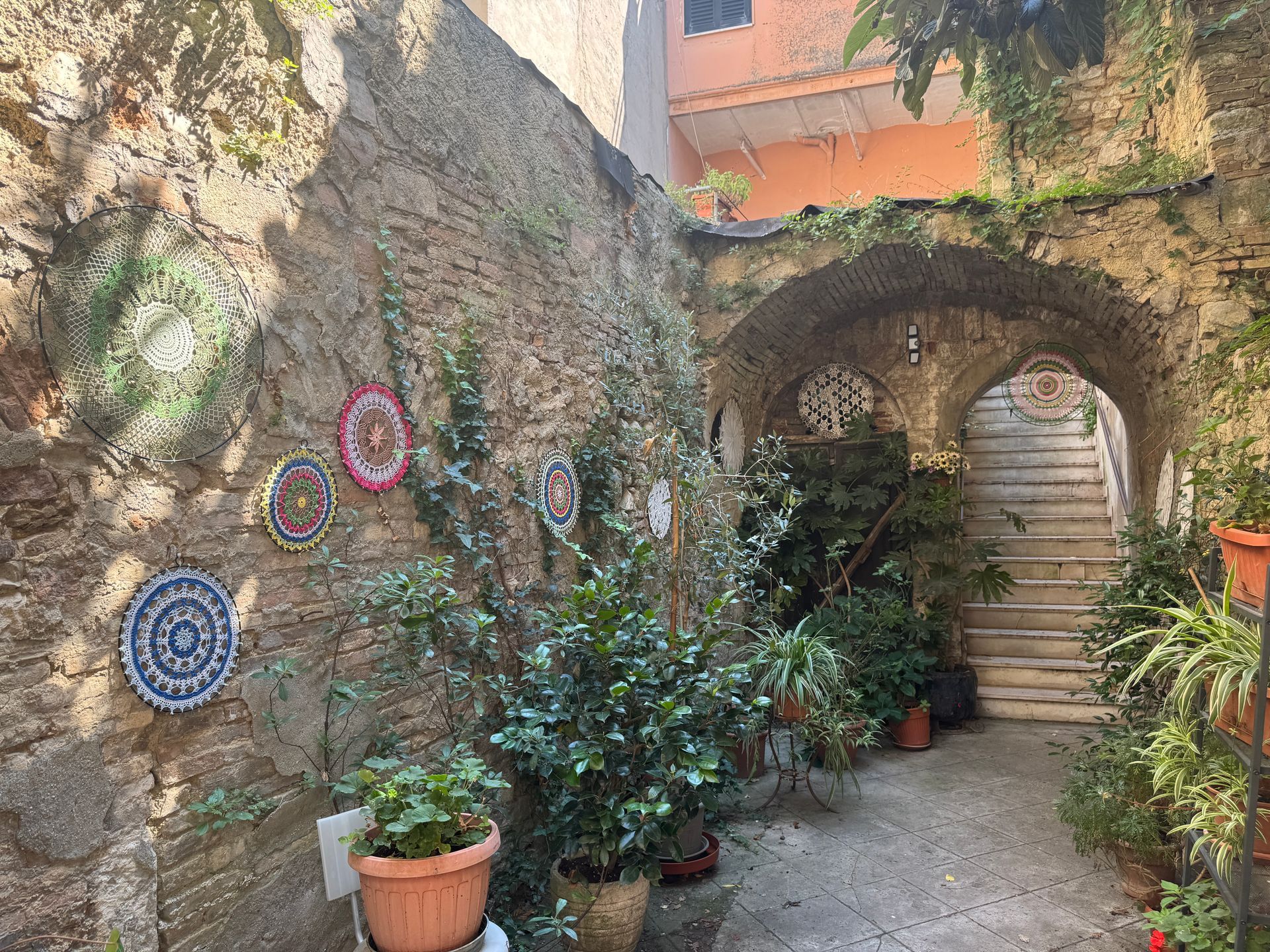
Santo Stefano di Sessanio, Rocca Calascio, Scanno, Pacentro and Sulmona make a strong first list. Around Gran Sasso, Santo Stefano di Sessanio offers narrow lanes, arches and the lentils the village is known for. Rocca Calascio rewards you with a walk up to a medieval fortress and one of the region's best viewpoints.
Scanno gives you the heart-shaped view of its lake. Pacentro sits beneath the Majella, with its castle and stone houses. Sulmona is the most practical all-round base, with a lovely historic center and confetti (sugared almonds). If you time it right, you can catch the Giostra Cavalleresca, a costumed medieval joust.
For a longer stay, add Pescocostanzo for Renaissance architecture and artisan traditions, Civitella del Tronto for its large Bourbon fortress, Roccascalegna for a castle on a rocky spur, L'Aquila for its rebuilt historic center, and a stop at a local producer's table.
Then eat your way through the region: arrosticini, maccheroni alla chitarra, saffron from the L'Aquila area, pecorino. Sitting down at a producer's family table, with the food and the stories that come with it, tells you more about a place than a plaque can. That's why we build cooking with local families and village hosts into our trips.
What is the Abruzzo coast like, and how do you fit it in?
The Costa dei Trabocchi is the signature stretch: wooden fishing platforms called trabocchi, coves, the Via Verde cycle route and seafood restaurants. An e-bike is a gentle way to cover it. Ortona, San Vito Chietino, Fossacesia and Vasto make good anchor towns, and the Abbey of San Giovanni in Venere watches over the sea near Fossacesia.
Each beach here has its own personality. Punta Aderci Nature Reserve near Vasto is for walking and quieter swimming, while Vasto itself pairs a sandy beach with a hilltop old town. Pineto offers pine-shaded sand and a relaxed family feel. Francavilla al Mare and Tortoreto have organized beaches and promenades, and Pescara brings an urban beach, restaurants and nightlife.
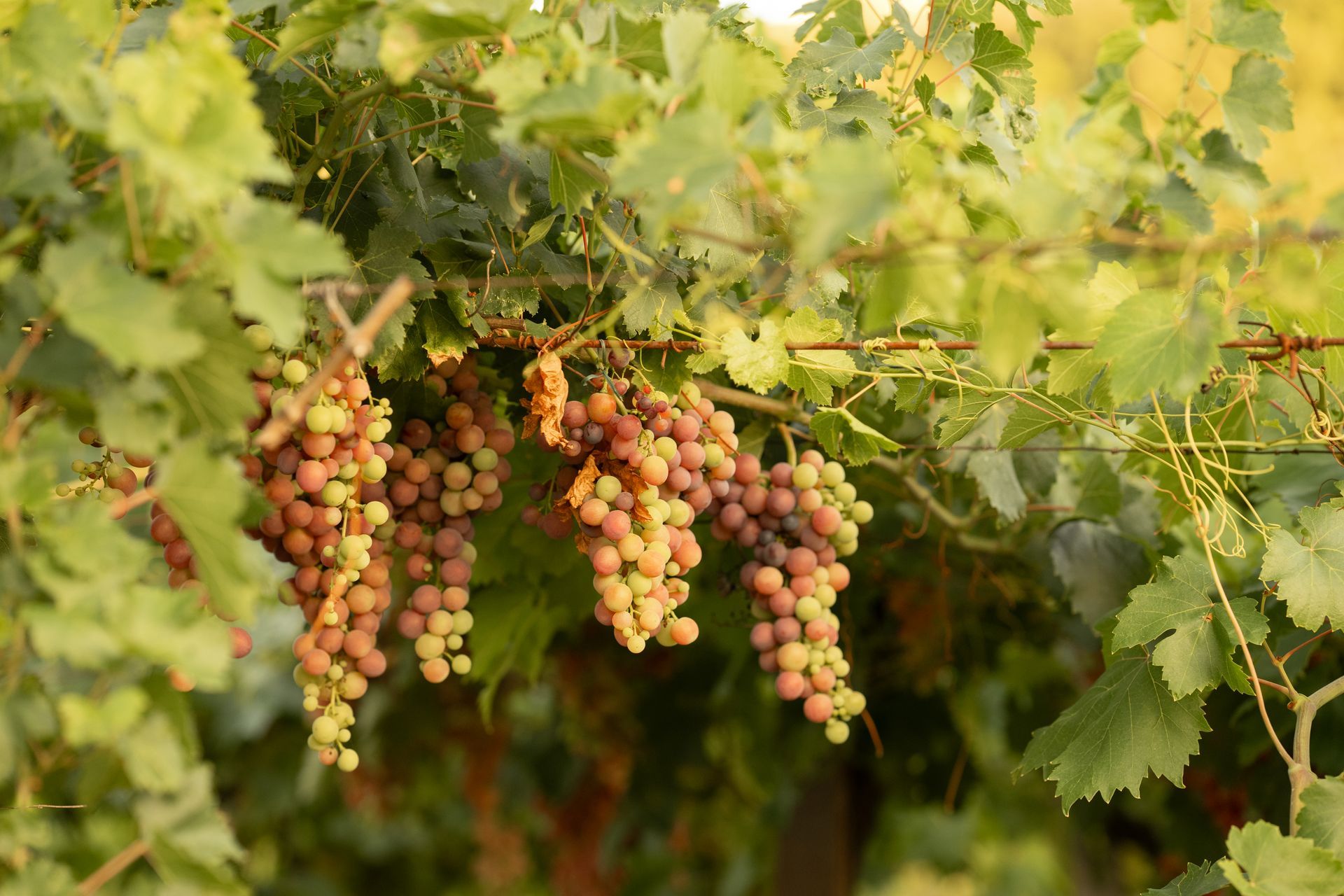
Order brodetto alla Vastese or fried seafood, and pour Trebbiano, Pecorino or Cerasuolo alongside. Montepulciano d'Abruzzo is the region's best-known red, and Villamagna tastings let you meet the producers who make it.
When should you go, where should you stay, and how many days do you need?
Best time to visit Abruzzo by season
Hiking is best in May to June and September to October, though high trails are only reliably clear from late June through September, and snow and conditions vary at altitude. Beach weather peaks in July and August, which are also the busiest months; mid-September is the compromise. Skiing runs December to March, with the most dependable snow in January and February. For mountains plus coast, choose late May to June or mid-September to early October.
If your calendar is tied to American school or work schedules, the September to October harvest, Thanksgiving week and the stretch from Christmas to New Year all fit well, and we plan trips around these periods.
Where to stay in Abruzzo
| Base | Best for | What to expect |
|---|---|---|
| Sulmona | Best all-round base | Working town with rail links; reasonable budget |
| Pescara | Car-free arrivals, nightlife | Lively city, urban beach; mid-range |
| Santo Stefano di Sessanio or Castel del Monte | Quiet mountain villages | Stone villages near Campo Imperatore; mid-range to higher |
| Pescasseroli | Wildlife and hiking | Village base in the park; mid-range |
| Vasto or Trabocchi Coast | Seaside character | Historic center or cycling coast; mid-range to higher |
| Roccaraso or Pescocostanzo | Skiing | Main ski area; prices rise in season |
For most first-timers, Sulmona is the best compromise: more atmospheric than a big coastal city, more practical than a tiny mountain village.
Sample Abruzzo travel itineraries
- 3 to 4 days: L'Aquila, Santo Stefano di Sessanio, Rocca Calascio, Campo Imperatore, Sulmona.
- 5 to 7 days: Add Scanno, Pacentro and Majella.
- 7 to 10 days: Add the Trabocchi Coast, Vasto, Punta Aderci and Pineto.
Treat these as starting points. The right version depends on your season, pace and who's traveling.
How do you turn this overview into a trip that fits you?
Pick a base, pick a season, and decide how you'll get around. Those choices shape everything else.
That's where we come in. We turn this overview into a private, season-planned itinerary with transfers handled, local hosts who live in Abruzzo, and guides in English, German and French. We work with 50+ villages, and you'll receive a personal proposal within 2 to 4 working days. Part of every booking is reinvested in the host villages and the families who welcome you.
Tell us when you're thinking of traveling and who's coming. If you're returning to your family's village, tell us its name too, and we'll start from there. Whether it's your first week in Abruzzo or a long-awaited return, we'd love to help you plan it.
Frequently Asked Questions
Can I visit Abruzzo without driving on mountain roads?
Yes, you can visit Abruzzo without driving on mountain roads by using arranged transfers. We arrange train tickets and private transfers from Rome or Pescara.
When are Abruzzo's high hiking trails clear of snow?
High trails are only reliably clear from late June through September. Snow and conditions vary at altitude.
Is Abruzzo a good destination for families?
Yes, Abruzzo offers family-friendly outings on the coast and inland. You can visit the Stiffe Caves or spend time on Pineto's pine-shaded beach.
What should I book if I want an automatic rental car in Abruzzo?
You should reserve an automatic rental car well ahead of your trip. Most rental cars in Italy are manual, and automatics are limited.
Can you help me visit my family's village in Abruzzo?
Yes, we can help you plan a return to your family's village. Tell us the village's name, when you're thinking of traveling, and who's coming.