The 15 best things to do in Abruzzo fall into five groups: hiking in the three national parks, medieval villages, the Trabocchi Coast, wine and food, and winter or history picks. A first trip combines one or two from each. A good first route runs L'Aquila, Rocca Calascio and Santo Stefano di Sessanio, Campo Imperatore, Sulmona and Scanno, Majella, then the Trabocchi Coast and Vasto. Allow 5 to 7 days, because the mountains, villages and coast are spread out.
We're borGO, a slow-travel tour operator based in Abruzzo, two hours east of Rome. We arrange private versions of many of these experiences, hosted by local farmers, winemakers and mountain guides, with English-speaking guides.
Distances are longer than the map suggests. Mountain roads are slow, and the coast sits well away from the high Apennines, so each pick below comes with a note on where it is and when it suits you best.
Key takeaways
- Mix the categories: Pick one or two experiences each from parks, villages, coast, food and history rather than all 15.
- Give it time: Plan 5 to 7 days, since distances between the mountains and the sea add up.
- Stay overnight: Villages reward a night, not a photo stop.
- Match the season: Spring and the September to October harvest suit hiking and wine, summer suits the coast, and winter suits skiing. Harvest timing varies by grape, altitude and weather.
Where can you hike in Abruzzo's three national parks?
You can hike in all three: Gran Sasso e Monti della Laga, Majella, and Abruzzo, Lazio e Molise. Together they cover everything from family strolls to serious summits, so the best things to do in Abruzzo's national parks suit nearly every fitness level.
1. Walk the high plateau of Campo Imperatore (Gran Sasso e Monti della Laga)
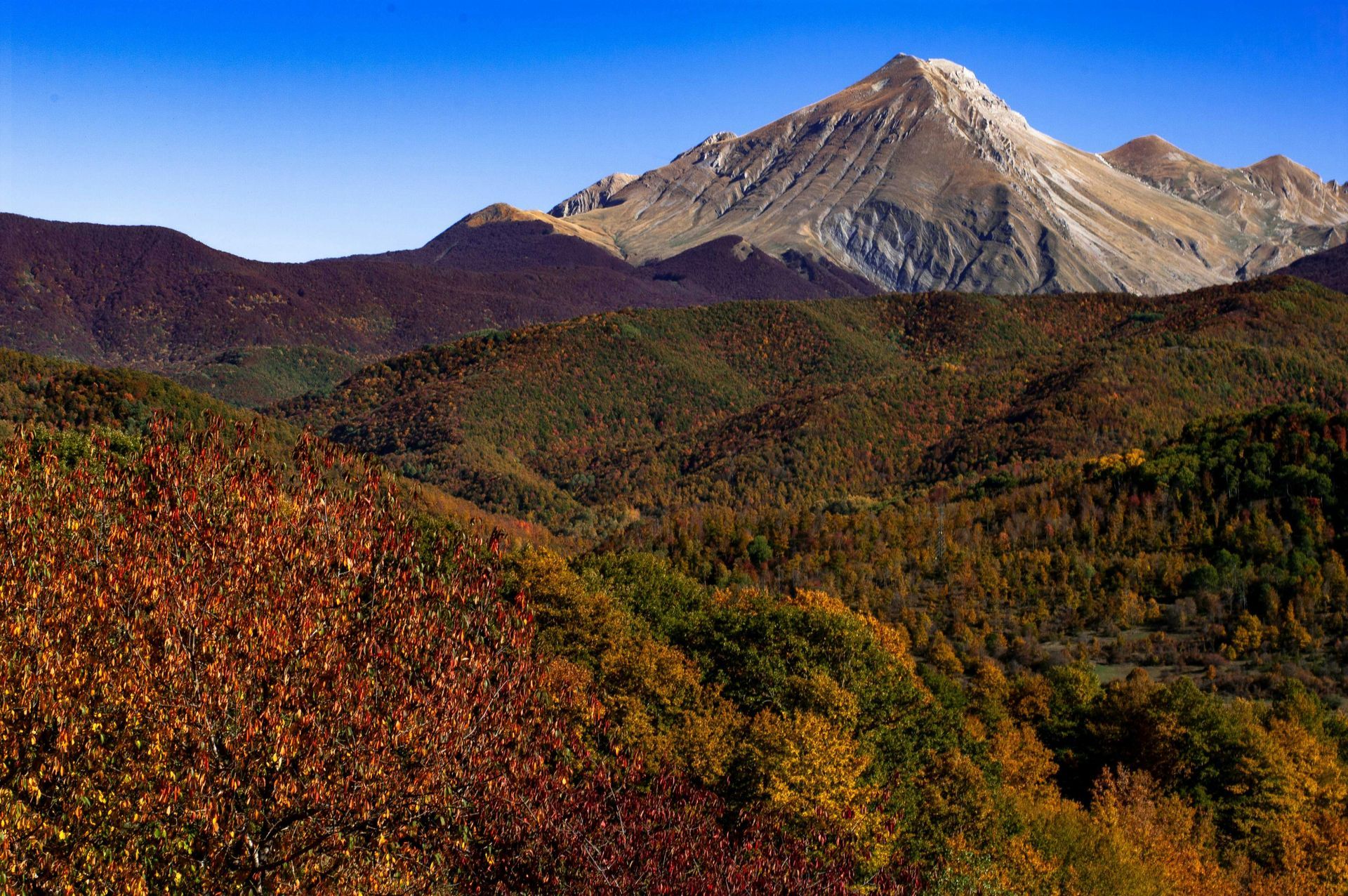
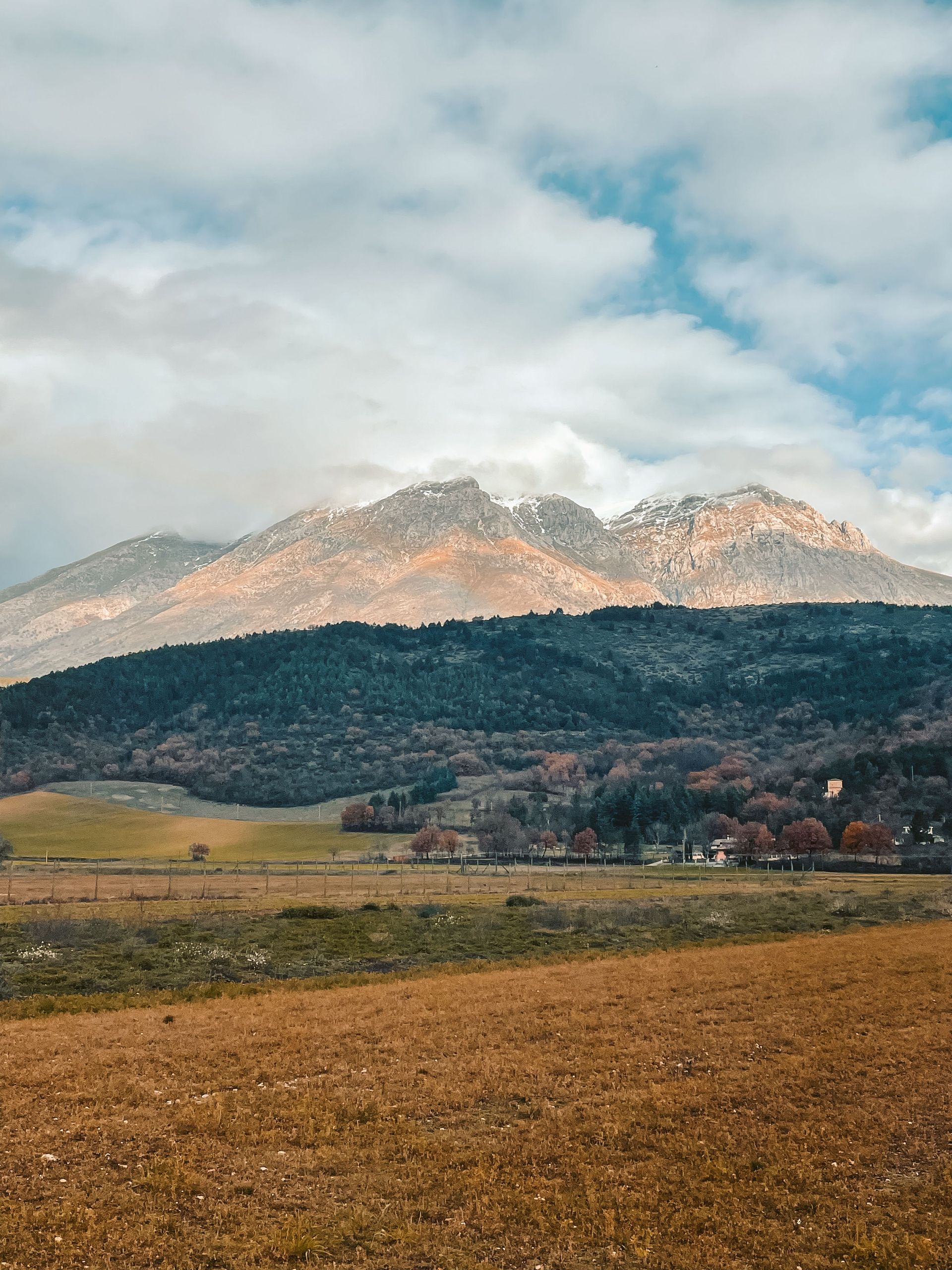
Locals call this plateau "Little Tibet," and the views stretch toward Corno Grande, the Apennines' highest peak. Plateau walks work well for beginners who want big scenery without a summit attempt. Fit hikers can try Monte Aquila, about 6 km (3.7 miles) with roughly 340 m (1,115 feet) of ascent, starting from Campo Imperatore.
2. Look for bears and chamois in Abruzzo, Lazio e Molise National Park
Val Fondillo is the easy start for families. Lago Vivo from Barrea and Val di Rose suit moderate hikers. The park is home to Marsican brown bears, wolves, chamois and deer. Sightings are possible but never guaranteed. With 150+ trails, there's room to grow.
3. Explore the gorges and hermitages of Majella
Majella suits mixed-ability groups because easy valley walks and 2,000 m (6,500 feet) peaks sit side by side. Try the Valle dell'Orfento gorge, the hermitage routes, and foothill villages like Pacentro. Committed walkers can take on the Spiritual Trail, about 85 km (53 miles) over 3 to 4 days.
We run private guided hikes in all three parks, planned around the season. Always check trail conditions and snow on high routes before you go.
Which Abruzzo villages are worth building a trip around?
The ones where you can sleep over. Stay a night and you'll see the lanes empty out and the evening start. We have access to 50+ villages, and these three clusters are a strong start.
4. Santo Stefano di Sessanio and Rocca Calascio
Santo Stefano di Sessanio has restored stone lanes and the Medici Palace. Pair it with the climb to Rocca Calascio's mountaintop fortress and the small church of Santa Maria della Pietà. Together they make a good base for Gran Sasso excursions. Taste the village's lentils while you're there.
5. Scanno and the Gole del Sagittario
Scanno has narrow lanes, artisan traditions and a lakeside walk at Lago di Scanno, which is lovely in early morning light before the day-trippers arrive. Add the limestone gorge hike near Anversa degli Abruzzi and you have a full day.
6. Sulmona and Pacentro: confetti and castles
Sulmona offers a historic center, a medieval aqueduct and shops piled with confetti, the sugared almonds the town is known for. Pacentro's Caldora Castle sits in the Majella foothills nearby. Pescocostanzo is worth a stop for lace and Renaissance architecture, and Castel del Monte for its shepherd heritage.
If you're an Italian-American traveler, a trusted local contact can help you visit an ancestral village, and that's something we're glad to help arrange.
Is e-biking the Trabocchi Coast worth it, and what else is on the Adriatic?
Yes, it's worth it, and the coast offers plenty beyond the ride. The southern stretch is wilder and more scenic, while the north is built for beach days.
7. E-bike the Via Verde della Costa dei Trabocchi
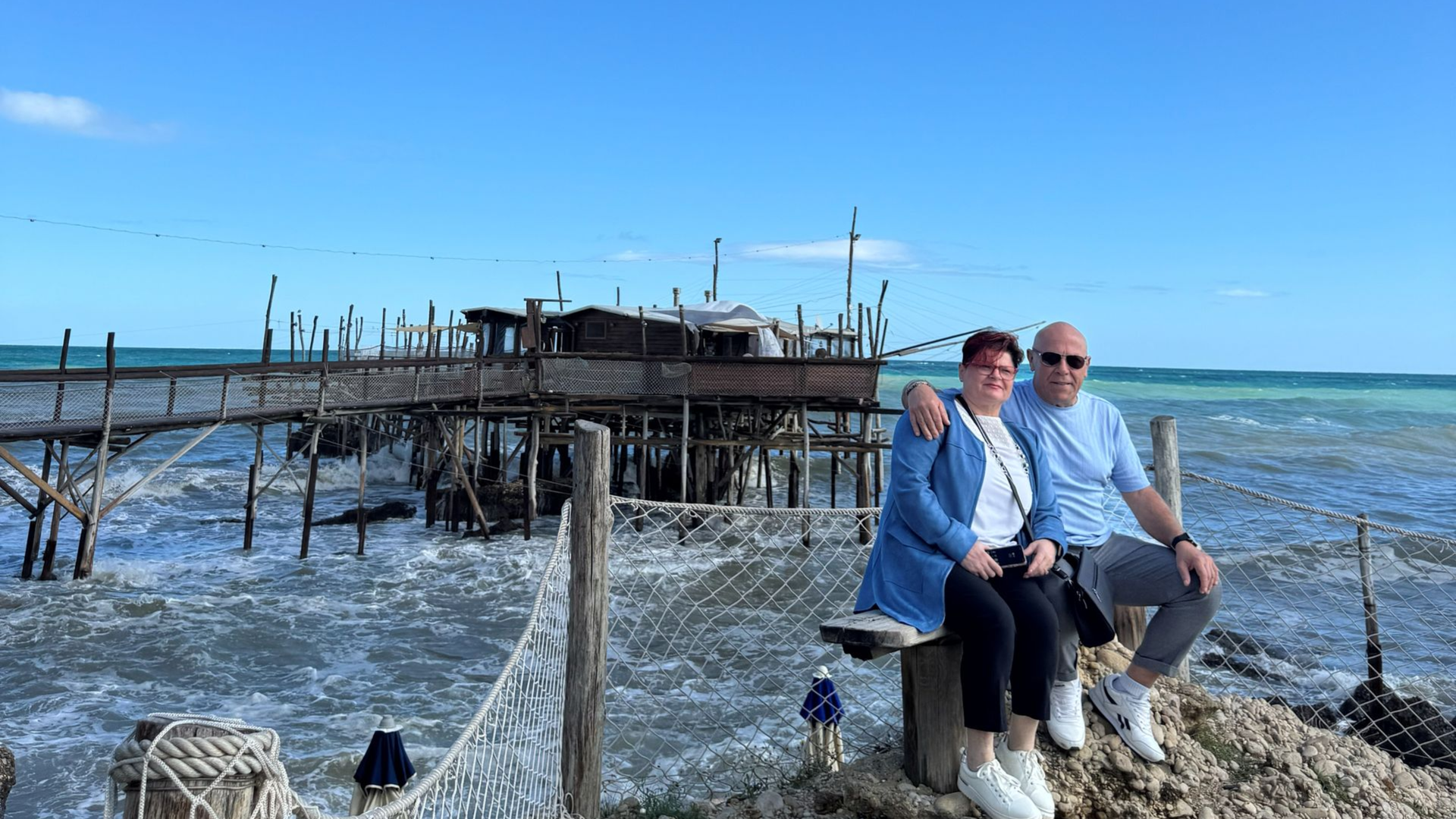
Trabocchi are traditional wooden fishing platforms that reach out over the water. The Via Verde is an old railway turned into a coastal path of roughly 42 km (26 miles), running from Ortona to Vasto, with some sources counting longer extensions toward San Salvo. E-bikes make it easy for couples of mixed fitness, with stops for swims, coves and seafood.
We offer private e-bike tours on the Trabocchi Coast. Some trabocchi now operate as restaurants, and reservations are advisable in high season.
8. Walk Punta Aderci and Punta Penna near Vasto
Expect cliffs, farmland, trails and wide, quiet beaches. Spiaggia dei Libertini is the more rugged option if you want fewer people. Bring water and sun protection, since shade is scarce on the headland in summer.
9. Choose your Adriatic base: San Vito Chietino, Vasto or the northern beaches
San Vito Chietino makes a good base for the southern coast and a fine spot to watch the sun go down over the water. Vasto offers a historic center, Palazzo d'Avalos and Adriatic viewpoints. For services and families, head to the northern beaches around Pineto, Alba Adriatica and Giulianova. For scenery, stay south.
How do you taste Abruzzo wine and cook with local families?
Go to the source: the cellar and the kitchen table. Both put you in a room with the people who make the food, and a meal tastes different once you have met them.
10. Taste Montepulciano d'Abruzzo with the winemaker, in Villamagna
Four wines are worth knowing:
| Wine | Style | Pairs well with |
|---|---|---|
| Montepulciano d'Abruzzo | The signature full-bodied red | Arrosticini, lamb and ragù |
| Cerasuolo d'Abruzzo | A cherry-colored rosé | Grilled meat and seafood |
| Pecorino | A fresh, aromatic white | Seafood and appetizers |
| Trebbiano d'Abruzzo | A lighter white | Fried foods and simple coastal dishes |
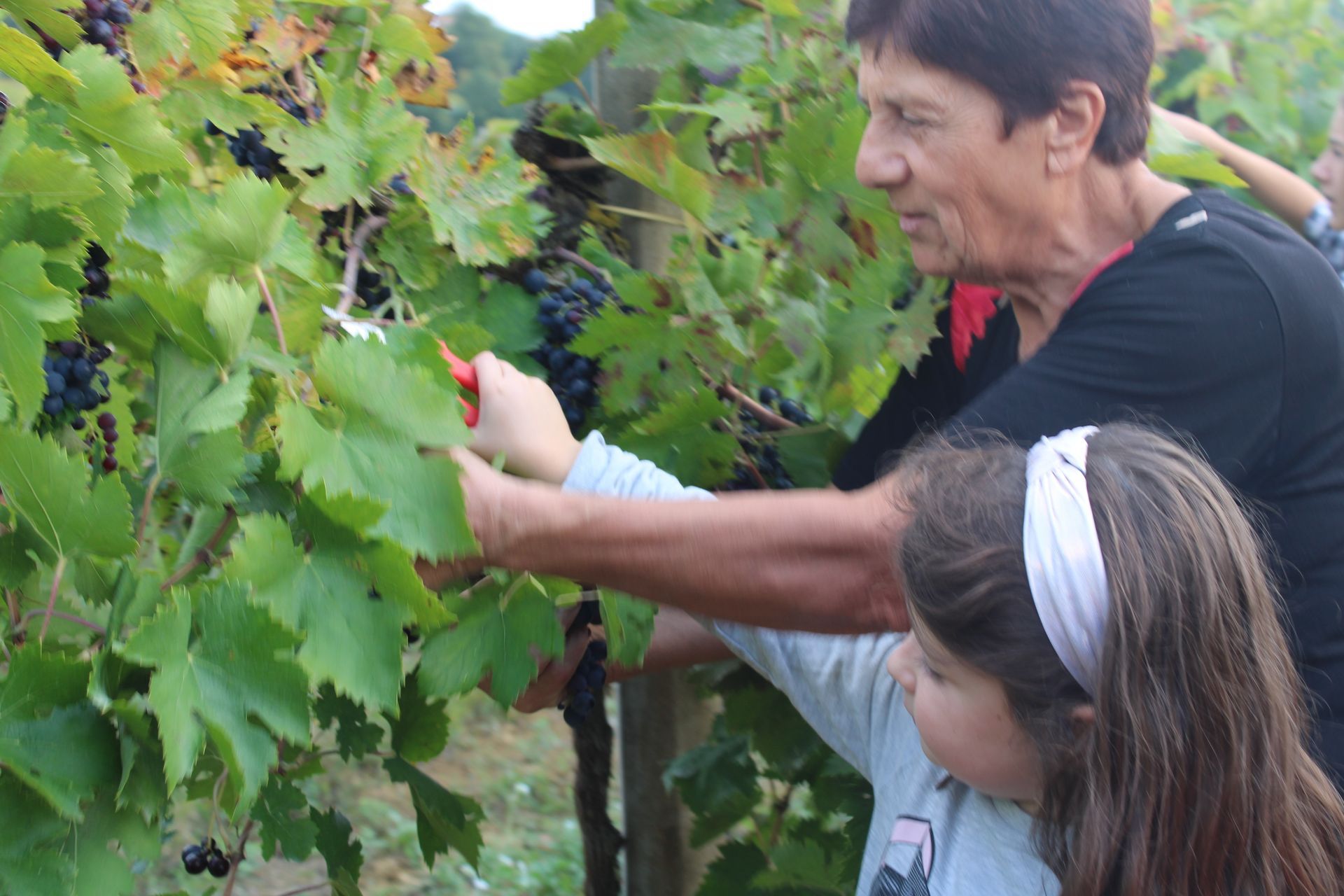
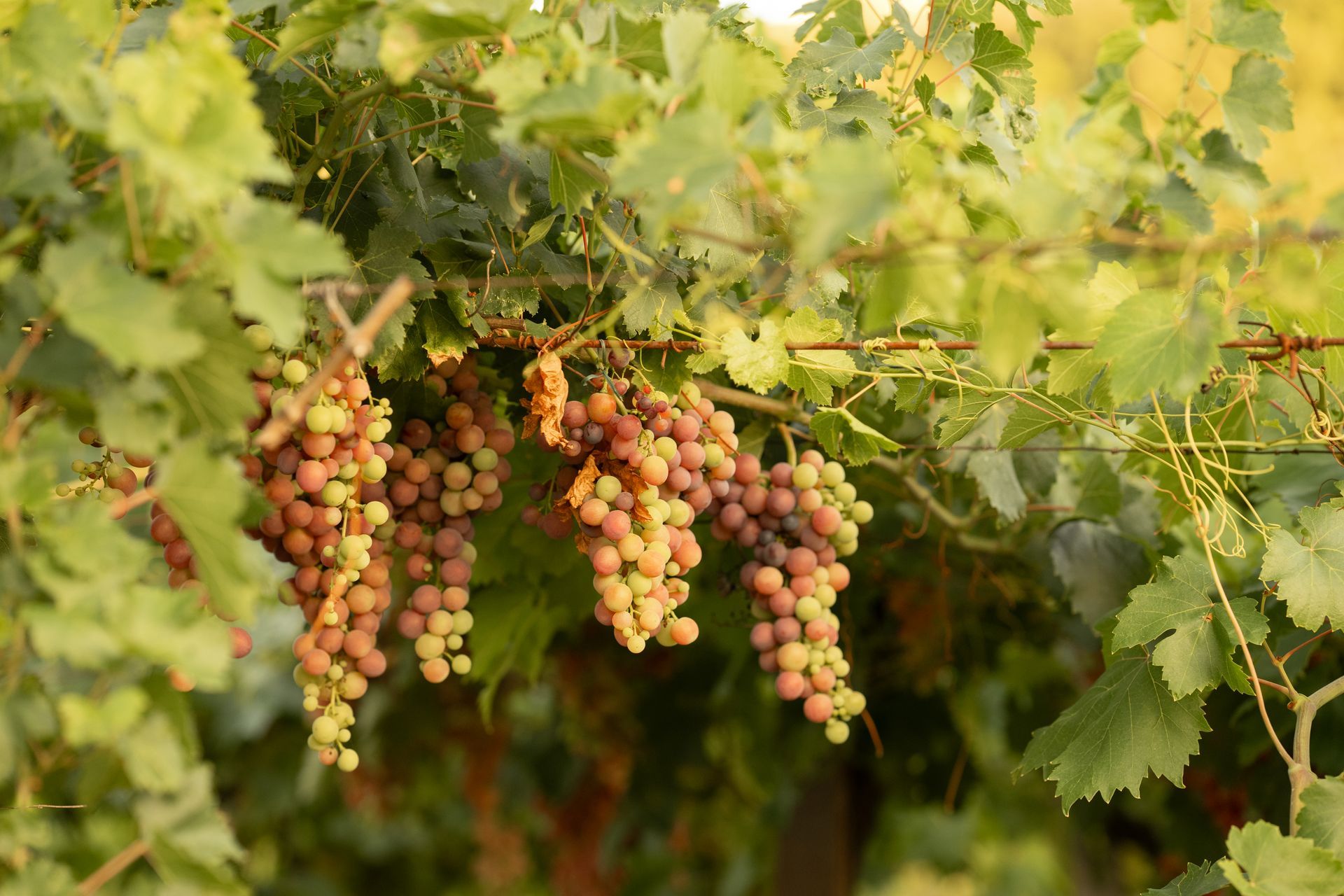
Tasting in the cellar with the person who made the wine beats a bottle in a restaurant, because you hear the story behind each glass. We arrange private tastings in Villamagna hosted by winemakers.
11. Cook a meal with a local family
Try maccheroni alla chitarra, pallotte cacio e ova (cheese-and-egg dumplings in tomato sauce), and scrippelle 'mbusse, the rolled crêpes in broth from Teramo. The recipe matters less than the kitchen table and the conversation around it. We offer cooking with local families as a private experience.
12. Eat arrosticini and meet the producers behind the ingredients
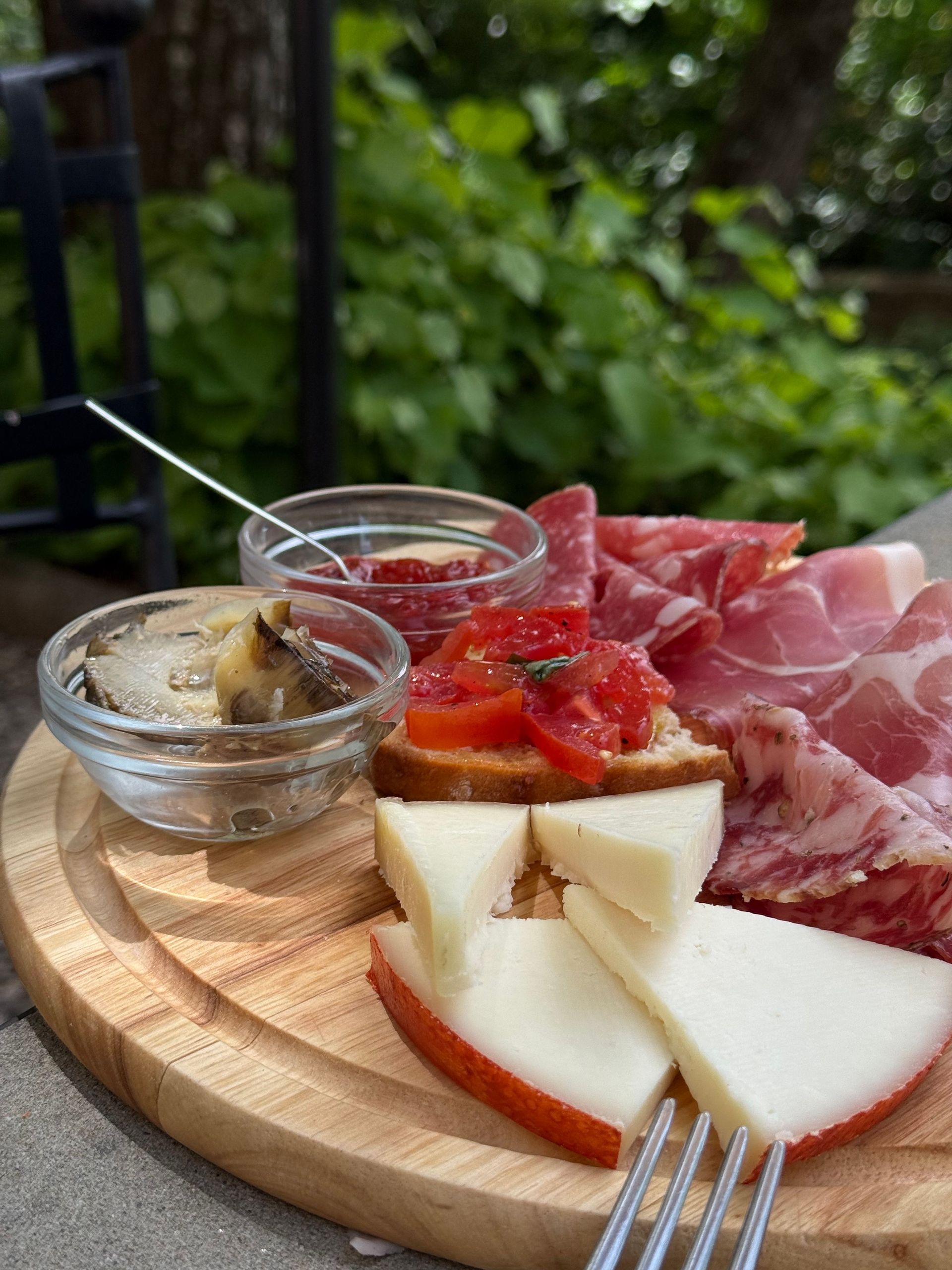
Arrosticini are small skewers of grilled mutton or lamb, best at a rustic grill. Look for Navelli saffron, Pecorino di Farindola and cheesemaking on farms. On the coast, order brodetto alla Vastese, the Vasto fish stew.
For a compact first tasting, order arrosticini, maccheroni alla chitarra, pallotte cacio e ova, and a glass of Cerasuolo.
What can you do in Abruzzo in winter or on a rainy day?
Ski, snowshoe, or spend the day indoors among churches, castles and abbeys. Abruzzo's mountains are a winter destination too, and history fills the gaps when the weather turns.
13. Ski or snowshoe in the Apennines
Abruzzo's mountains offer skiing and snowshoeing well away from the Alps. We arrange skiing, guides and logistics near where you stay. The Christmas to New Year window also fits the American travel calendar.
14. Spend a day in L'Aquila
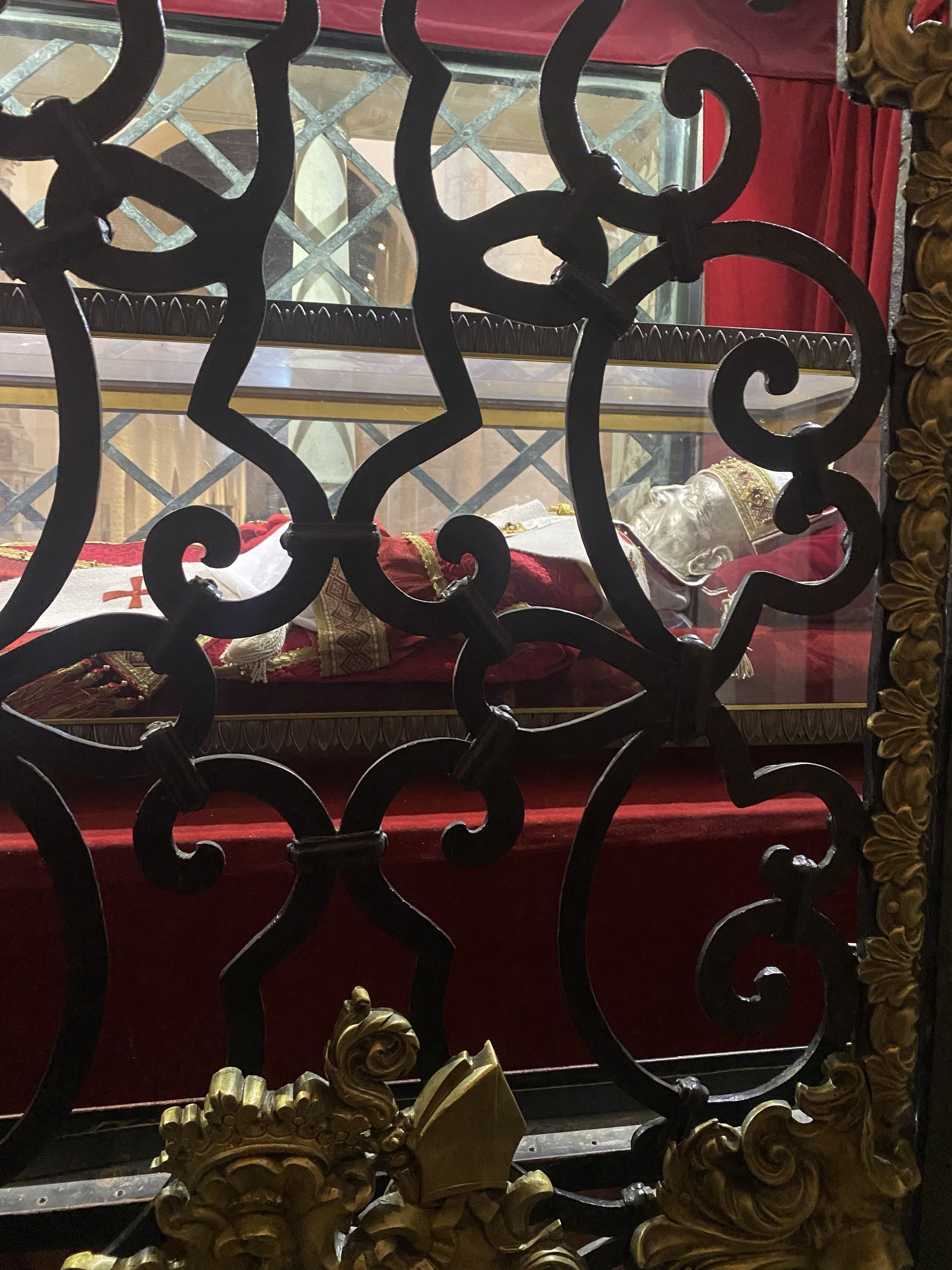
Start at Santa Maria di Collemaggio, then see the Fontana delle 99 Cannelle, Piazza Duomo, the Basilica of San Bernardino and the National Museum of Abruzzo. It's an easy city day between mountain days.
15. Chase castles and abbeys
Roccascalegna's castle sits on a rocky spur above the village. The Bourbon fortress at Civitella del Tronto is another major stop. For Romanesque architecture, visit the abbeys of San Clemente a Casauria and San Giovanni in Venere. Check opening hours first, since some sites have seasonal or limited access.
Ready to choose your Abruzzo trip?
Choose by interest and season. If you have five days, try this sequence: two days in the mountains around Campo Imperatore and Rocca Calascio, a day in Sulmona and Scanno, then two days on the Trabocchi Coast with a winery visit in Villamagna.
A private day with a farmer, winemaker or guide is the easiest way to experience Abruzzo through its people. Part of every borGO booking is reinvested in the host villages.
When you're ready, get in touch with our team and we'll send a tailor-made proposal within 2 to 4 working days. We also handle train tickets and private transfers from Rome or Pescara. Tell us what you love, and we'll start from there.
Frequently Asked Questions
How many days should I spend in Abruzzo?
Plan 5 to 7 days for a first trip to Abruzzo. Mountain roads are slow, and the coast is well away from the high Apennines.
When is the best time to visit Abruzzo?
Spring and September to October suit hiking and wine, summer suits the coast, and winter suits skiing. Harvest timing varies by grape, altitude and weather.
Can I visit Abruzzo without arranging every transfer myself?
Yes, we handle train tickets and private transfers from Rome or Pescara. We also arrange private experiences with English-speaking guides.
Do I need to reserve a meal at a trabocco?
Reservations are advisable in high season if you want to eat at a trabocco. Some of these traditional wooden fishing platforms now operate as restaurants.
Can I see bears in Abruzzo?
You may see Marsican brown bears in Abruzzo, Lazio e Molise National Park, but sightings are never guaranteed. The park is also home to wolves, chamois and deer.