10 Hidden Medieval Villages in Abruzzo That Will Transport You Back in Time
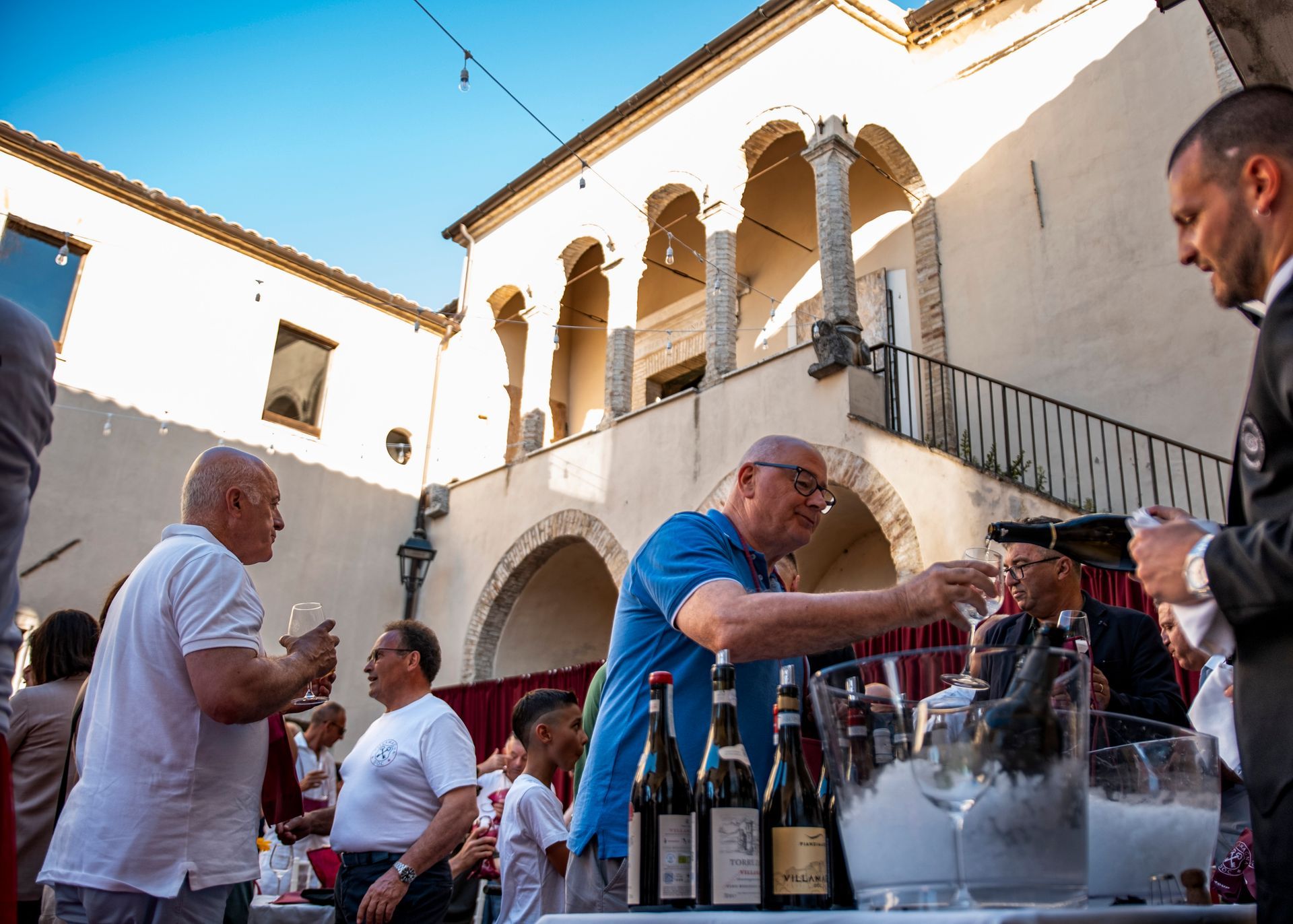
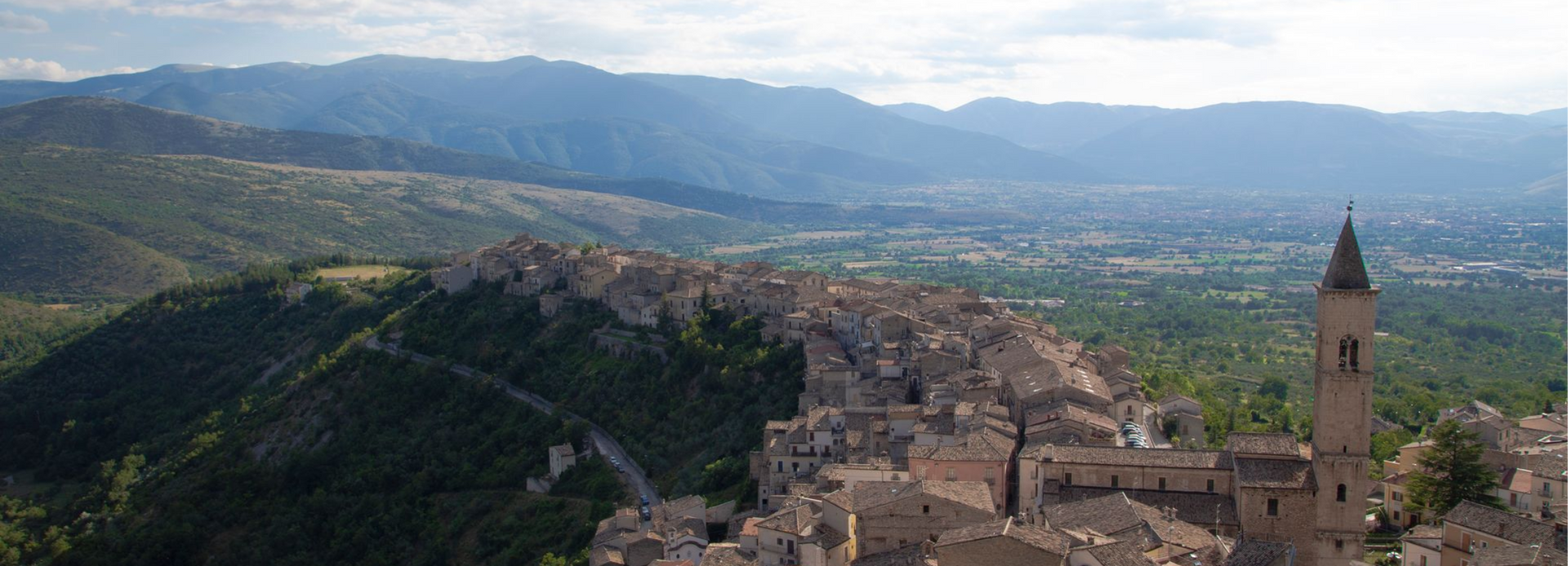
Round a bend on any of Abruzzo's mountain roads, and you'll understand immediately. There it is: a medieval borgo perched on a clifftop, stone walls lit gold in the afternoon sun, a church bell marking the hour the way it has for seven centuries. Nobody is selling selfie sticks. The bar, where there is still one, has been open since 6 AM. The butcher knows everyone by name.
These are Abruzzo's medieval villages, and they are extraordinary precisely because they haven't been engineered for tourists. They are living communities, and knowing how to enter them with respect and curiosity makes all the difference between a photo stop and a memory that stays with you.
After years of working in this region, guiding travellers, building itineraries, and honestly just spending time in these places, we've chosen ten that represent the full breadth of what Abruzzo's borghi can offer. From the Gran Sasso to the Adriatic hills, from saffron fields to ceramics workshops to wolf country at the edge of national parks.
New to Abruzzo? Read our Travel Guide or explore what we can do for you.
Why Abruzzo's Medieval Borghi Are Different
Most of Italy's famous medieval towns have made a kind of peace with tourism: the streets are beautiful, the gelato is good, and the crowds are manageable. Abruzzo's borghi haven't reached that equilibrium yet, which is both their challenge and their gift.
Here, the morning baker still starts early for the people who actually live there, not for travellers. The evening passeggiata is not a performance; it's what happens when the day's work is done. The festivals are not re-enactments; they are the real thing, observed the same way they have been for generations. Getting into that rhythm requires a little patience, a little local knowledge, and ideally someone who can make introductions.
The 10 Medieval Villages Worth the Journey
1. Santo Stefano di Sessanio
At 1,250 metres in the shadow of the Gran Sasso, Santo Stefano may be Abruzzo's most celebrated borgo and with good reason. The stone towers, the labyrinthine lanes, the sheep still grazing the surrounding plateau: it feels genuinely medieval, because structurally it is. The entire village has been restored using traditional materials and techniques.
What elevates Santo Stefano above a pretty backdrop is the lentil. The Lenticchia di Santo Stefano di Sessanio is one of Italy's great Slow Food Presidia. Tiny, peppery, grown at altitude and sitting down to a bowl of it here, in the place where it's been cultivated for centuries, is one of those meals that resets your relationship with food.
Local tip: Visit in October, and you may catch the lentil harvest. Ask at the village shop about producers who still dry them by hand. Do not visit in summer since this village is full of tourists.
2. Pacentro
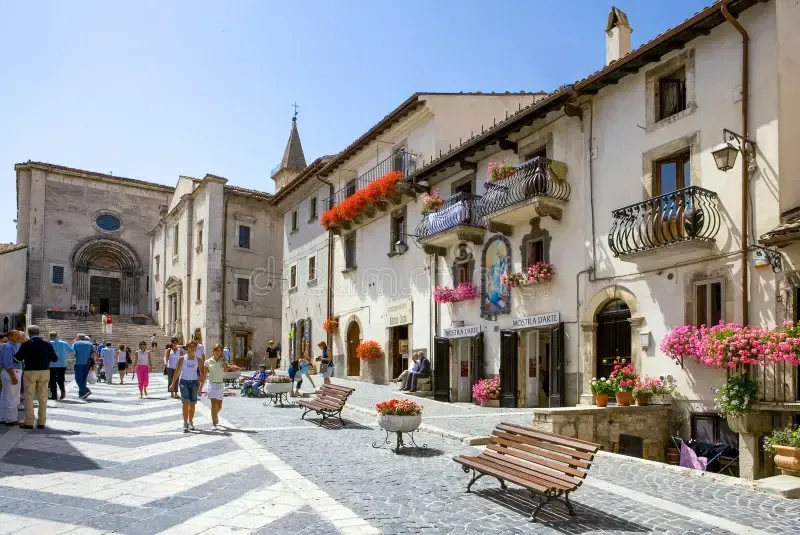
Madonna's (yes, the famous singer) ancestral village. It sounds like a tourist pitch, but Pacentro predates that connection by several centuries and what you find here has nothing to do with pop culture. A medieval castle crowns a hillside village where locals still outnumber visitors on any given day. The Maiella Mountains rise behind it like a wall.
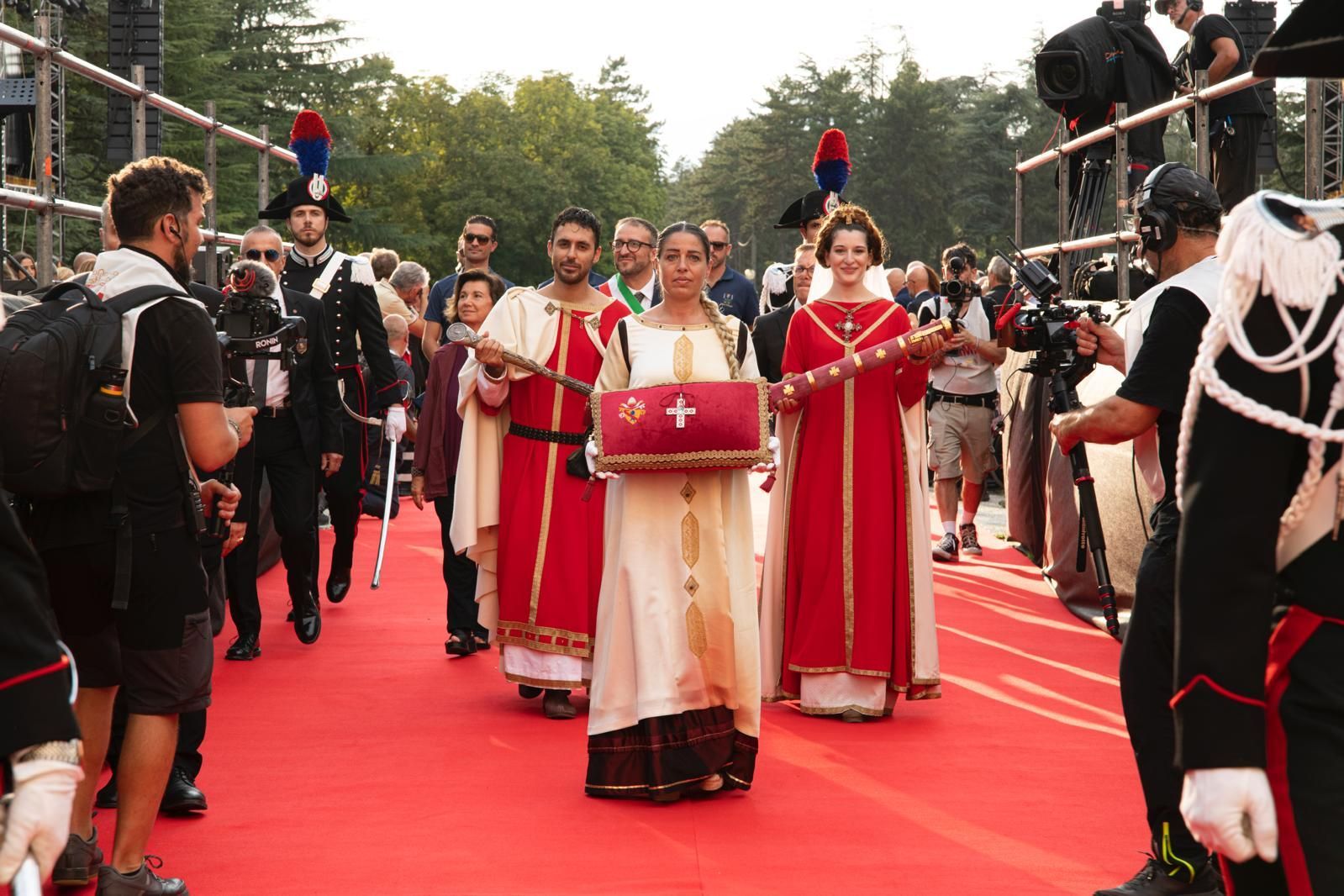
Pacentro keeps its traditions deliberately. The Corsa degli Zingari, a barefoot race down the mountain in period costume, takes place every September. It's competitive, slightly chaotic, and entirely real. If you're planning a September visit, build your dates around it.
Insider: The cemetery road at sunset gives the best view of the village silhouette against the Maiella.
3. Castelli
Five hundred years of ceramic tradition, concentrated in a single mountain village. Castelli isn't a craft market, it's an active production centre where you can watch artisans at work in studios that have been in the same families for generations. The majolica style produced here, with its distinctive blues and ochres, ended up in the Royal Palace of Naples. The techniques haven't changed much since.
The Museo della Ceramica, in a restored medieval palace, gives context; the August festival gives you a chance to try your own hand at the wheel. Both are worth planning around.
4. Pietracamela
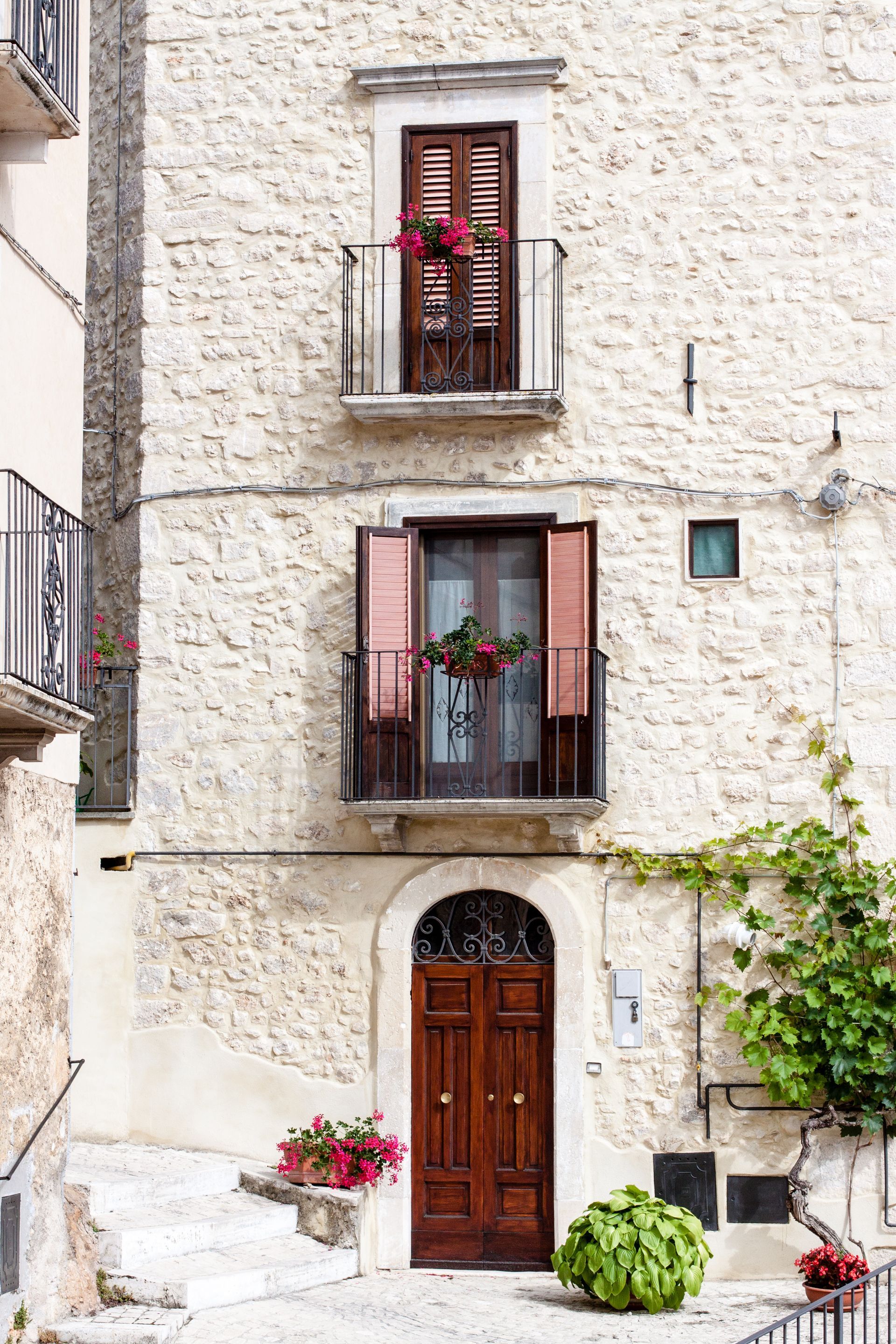
Two hundred and eighty residents. Stone architecture that looks as though it grew from the Gran Sasso massif rather than being built on it. A village fountain that has been flowing continuously for over four hundred years. Pietracamela feels like the end of the world in the best possible sense, and it's also the starting point for some of the most serious hiking in the Apennines.
Family-run restaurants here serve mountain cuisine with the unselfconsciousness that only comes when cooking is still primarily for the people who live there.
5. Navelli — the Saffron Capital
Since the 13th century, the plateau around Navelli has been producing saffron, not the industrial kind, but Zafferano dell'Aquila, another Slow Food Praesidium, worth more by weight than gold and harvested entirely by hand in a single month of October. The blooming of the Crocus sativus fields is one of Abruzzo's most extraordinary sights: purple, as far as you can see, in the early morning mist.
We run a dedicated experience here each autumn, joining a family harvest, learning the pistil-by-pistil process, and understanding why a single kilo requires 150,000 flowers.
Book your saffron harvesting experiences
6. Atri
Not all of Abruzzo's medieval borghi are in the mountains. Atri sits on a hilltop with views all the way to the Adriatic, its magnificent 13th-century cathedral containing frescoes that would stop a room in any major museum. The biancospino white hawthorn blooms around the cathedral walls in May. The streets reward slow wandering.
Atri is also the gateway to the calanchi: alien badland formations carved into the surrounding clay hills by erosion. Walking through them at dusk is one of Abruzzo's stranger and more memorable experiences.
7. Città Sant'Angelo
The most perfectly preserved medieval urban structure in Abruzzo's coastal hills. The original walls are largely intact. The artisan quarter still produces work in leather, wrought iron, and textiles. Ancient churches retain their original frescoes. What's remarkable about Città Sant'Angelo is not that it's been preserved but that it never needed to be rescued; it simply continued.
8. Roccascalegna
The image that travels: a castle perched on a sheer rocky outcrop above a village of stone houses cascading down the hillside. It looks painted. It's real. The castle tours give access to rooms that tell a layered story of Norman conquest, feudal power, and eventual abandonment — with views that explain why this rock was worth fighting over for a thousand years.
The summer medieval festival uses the castle setting to its full dramatic effect. Arrive in the early morning before the coaches; the village below is entirely yours.
9. Scanno
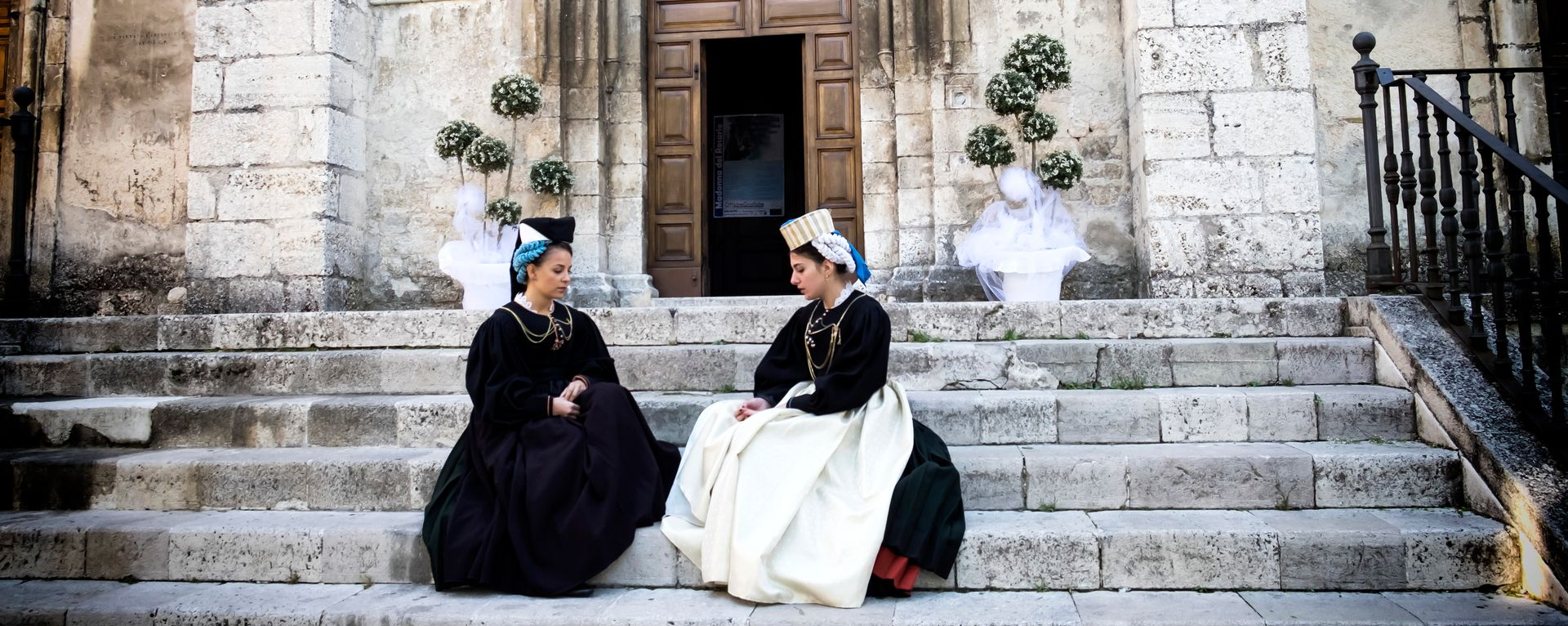
The "Pearl of Abruzzo" is perhaps the most visited of these ten, and it earns the attention. Scanno's architecture is unique: Balkan influences overlaid on Romanesque foundations, women still wearing traditional costume on feast days, and a dialect that diverges sharply from standard Italian. The goldsmiths' quarter is genuinely active, producing filigree work in techniques brought here from across the Adriatic.
The heart-shaped lake below the village, a gift of glacial geology visible only from above, has become famous. Don't let that deter you from the village itself, which rewards anyone who climbs past the main piazza.
Local tip: We highly discourage visiting this village in August. The risk is that you contribute to crowds that this village does not need, and you lose the essence of the visit.
10. Capestrano
Birthplace of San Giovanni da Capestrano, the 15th-century Franciscan friar whose Crusade preaching made him famous across Europe. The monastery he founded remains active, its original frescoes intact. The nearby archaeological site contains one of the most significant Bronze Age warrior statues ever found in Italy, the Warrior of Capestrano, now in the Chieti museum but discovered in these fields. Capestrano rewards the historically curious; it has none of the polish of a tourist site, which is precisely why it's worth visiting.
How borGO Can Take You There
We've been working in Abruzzo's borghi since before they appeared on anyone's radar. Our guides live here. They know which villages have festivals worth rerouting for, which restaurants don't have a sign outside, and which roads to the hilltop are actually worth the detour. We don't do bus tours. We build experiences around what you care about — whether that's slow food, medieval history, photography, hiking, or simply being somewhere that feels genuinely far from the rest of the world.
What we can put together for you:
- Day trips & private guided visits: to one or more of these borghi, with local introductions and off-menu access.
- Multi-day itineraries: combining borghi, national parks, coast, and food experiences in a coherent journey.
- Seasonal experiences: timed to festivals, harvests (saffron in October, lentils in summer), and local events.
- Custom slow travel programmes: for couples, small groups, and solo travellers who want depth over distance.
Check our experiences and packages for you
Ready to Visit?
The borghi in this list are not impossible to reach; they're just rarely known. Once you know them, the question is no longer whether to go but when, and how to make the most of the time you have there.
That's where we come in. Tell us what you're looking for: a specific village, a season, a style of travel, a type of experience, and we'll build something around it. No generic packages. No wasted days.
Our Frequently Asked Questions
What are the most beautiful medieval villages in Abruzzo?
Abruzzo has 27 villages on the national list of I Borghi Più Belli d'Italia — more than almost any other Italian region. Among the most extraordinary: Santo Stefano di
Sessanio (Gran Sasso), Scanno (Apennines), Pacentro (Maiella), Navelli (saffron plateau), and Roccascalegna (Sangro valley). Each has a distinct character — it's worth planning a visit around what you care about most, whether that's architecture, food, hiking, or festivals.
When is the best time to visit Abruzzo's borghi?
Spring (April–June) and autumn (September–November) are ideal — lower temperatures, seasonal produce, and local festivals. October is particularly special: the saffron harvest in Navelli, lentil harvest near Santo Stefano, truffle season, and autumn foliage in the national parks. Summer works well for the mountain villages; coastal borghi like Atri and Città Sant'Angelo are cooler in spring and autumn.
Can you visit Abruzzo's villages without a car?
Some yes, many no — Abruzzo's transport infrastructure reflects its terrain. A few borghi are accessible by regional train (Scanno via Sulmona, Atri from the Pescara–Bari line), but reaching villages like Pietracamela or Castelli without a car is complicated. borGO offers guided day trips and multi-day programmes with private transport from Pescara, L'Aquila, or Chieti — so you can explore without needing to drive mountain roads yourself.
Moreover, we offer chauffers (NCC) or accessible rental from Pescara or other big cities so that you can access them.
Some villages are not accessible with big busses.
What is borGO and how can it help me visit these villages?
borGO is a licensed tour operator based in Abruzzo, specialising in authentic, slow-travel experiences in the region. We design private itineraries, small-group tours, and curated experiences — from half-day village visits to week-long programmes — for travellers who want to go deeper than a guidebook allows. Contact us to tell us what you're looking for.
Are Abruzzo's medieval villages suitable for families?
Most are, with some caveats. The hilltop borghi involve walking on uneven stone streets and occasional steep climbs. Santo Stefano di Sessanio, Atri, and Città Sant'Angelo are well-suited to families; Pietracamela and Capestrano are better for travellers comfortable with more rural, less touristic settings. We're happy to recommend the best fit based on your group's preferences and ages.