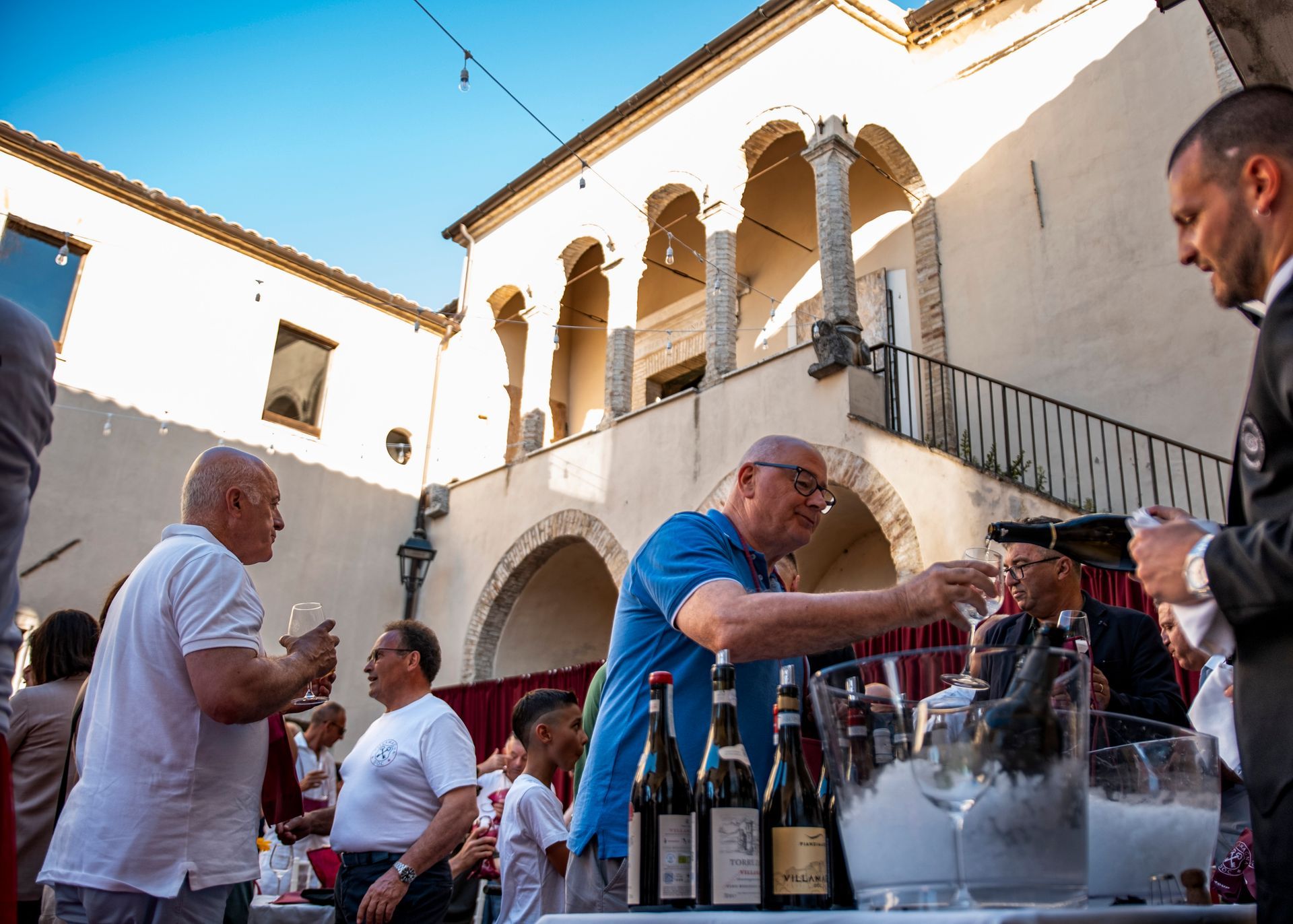
The question comes up constantly. Someone is planning a trip, has heard good things about Abruzzo from a friend or a travel forum, and wants to know when to go. The honest answer is that almost no month is a bad time to visit — but certain months are transformative in ways that others simply aren’t. And a few months, if you’re after the real thing, will actively work against you.
After years of building itineraries in this region, I've watched visitors arrive in August expecting quiet village life and find Pacentro overrun, or show up in January for the mountains and discover the Majella is buried under a metre of snow with half the restaurants closed. Both can be salvaged with the right preparation. But the point is: timing matters here more than in many other Italian regions, because Abruzzo is not a polished tourist circuit. It responds to seasons the way it always has — genuinely.
Here’s what each season actually looks like.
New to Abruzzo? Read our Travel Guide or explore what we can do for you.
Spring in Abruzzo: April to June
Spring is arguably Abruzzo's best-kept secret. The mountains are accessible but not yet baked by summer heat. The wildflowers on the Gran Sasso plateau reach their peak in May, violets, orchids, and the yellow broom that covers the hillsides above Castel del Monte. The Adriatic coast, still uncrowded, is green and mild.
April is genuinely spectacular for walkers. The Majella national park wakes up, birdsong is almost overwhelming in the valleys, and the trails from Caramanico to the Orfento gorge are passable without technical gear. Rivers run full. The light is long and soft.
For food, spring means asparagus from the hill gardens, wild garlic gathered from the forest floors, and the first of the season's lamb. Restaurants that have been running a reduced winter menu open back up with energy.
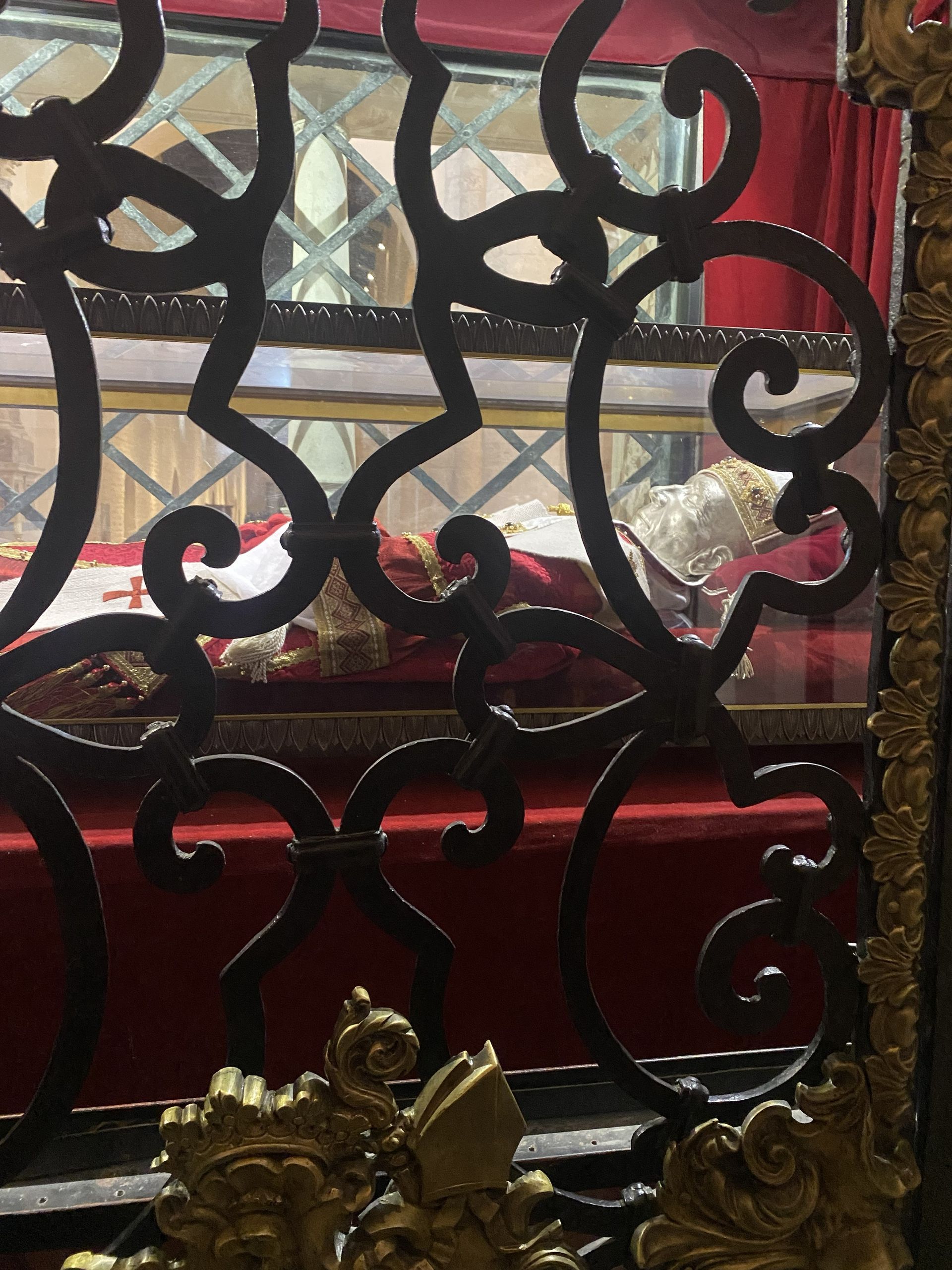
Local tip: Holy Week in Abruzzo is not to be missed if you happen to be here. The Good Friday procession in Chieti, which has been running since 934 AD, is one of the most remarkable religious events in Italy. It’s not a tourist spectacle — it’s the real thing.
May and June are peak season for festivals. The fields around Navelli, where Abruzzo's prized saffron grows, are stunning in spring. L’Aquila begins to shake off its post-earthquake quietness and comes alive with cultural events, particularly in 2026 as the Italian Capital of Culture.
Planning a spring trip? Our Abruzzo Travel Guide covers the full picture, or explore our spring experiences if you want us to build something around the season.
Summer in Abruzzo
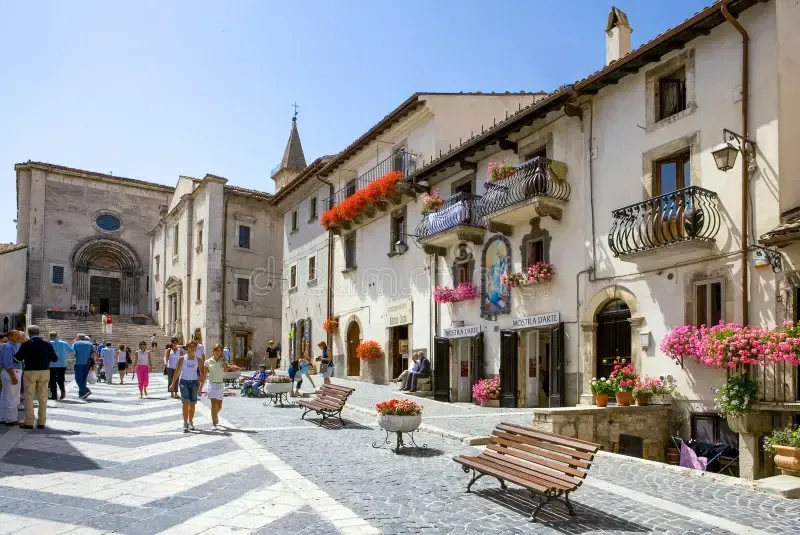
Summer is Abruzzo’s most complicated season for independent travellers. The coastal resorts are filled with Italian families on holiday. The Trabocchi Coast gets genuinely crowded in August. Some of the more famous borghi — Scanno, Santo Stefano di Sessanio, Pacentro — attract visitors in numbers that can make them feel less like themselves.
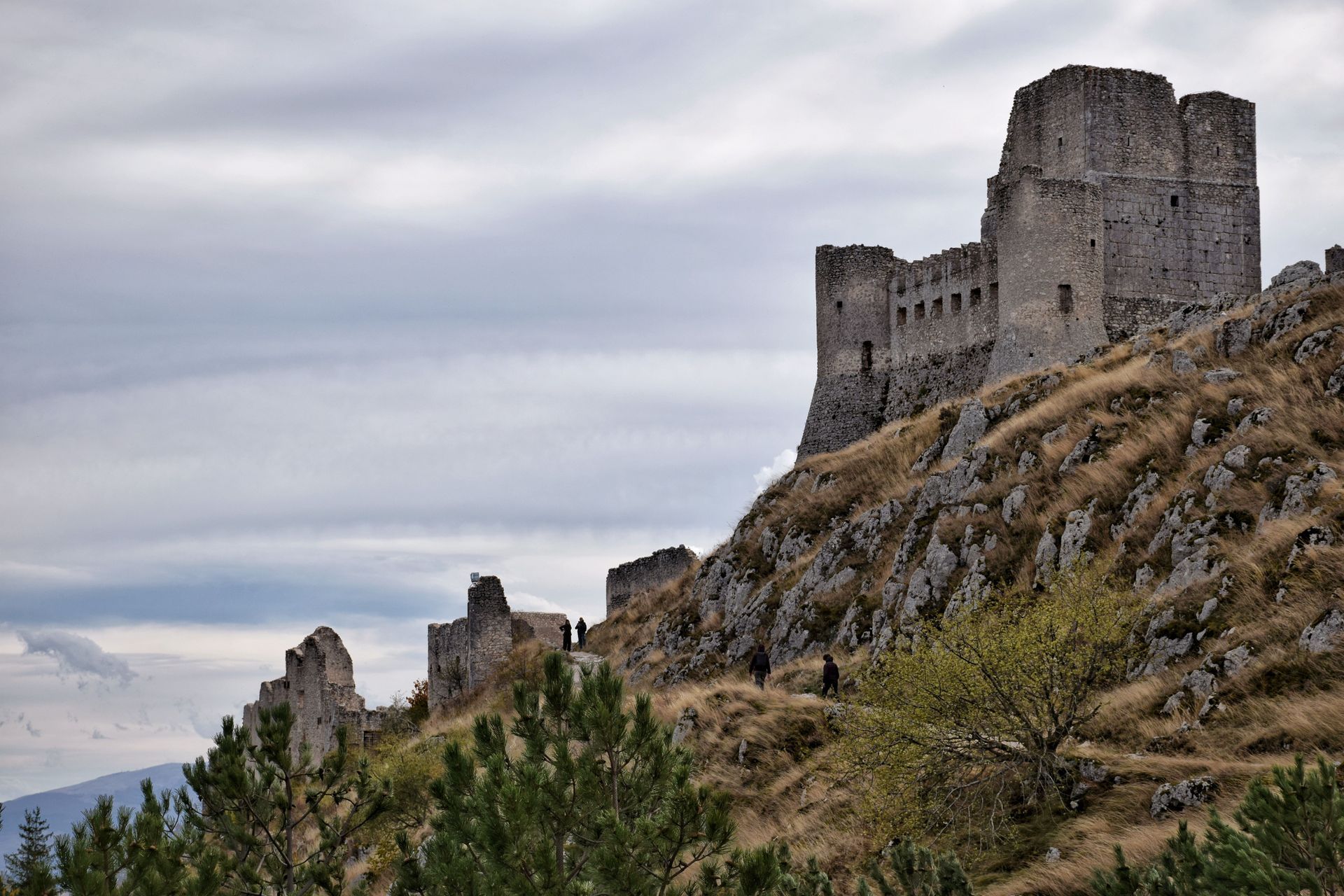
That said, Abruzzo’s mountains in summer are among the finest places to be anywhere in Italy. At 1,400 metres, the temperature drops to something bearable. The Gran Sasso’s Campo Imperatore plateau is extraordinary in July: a high-altitude steppe that looks Mongolian, where wild horses still graze and you can hike for a full day without seeing another person.
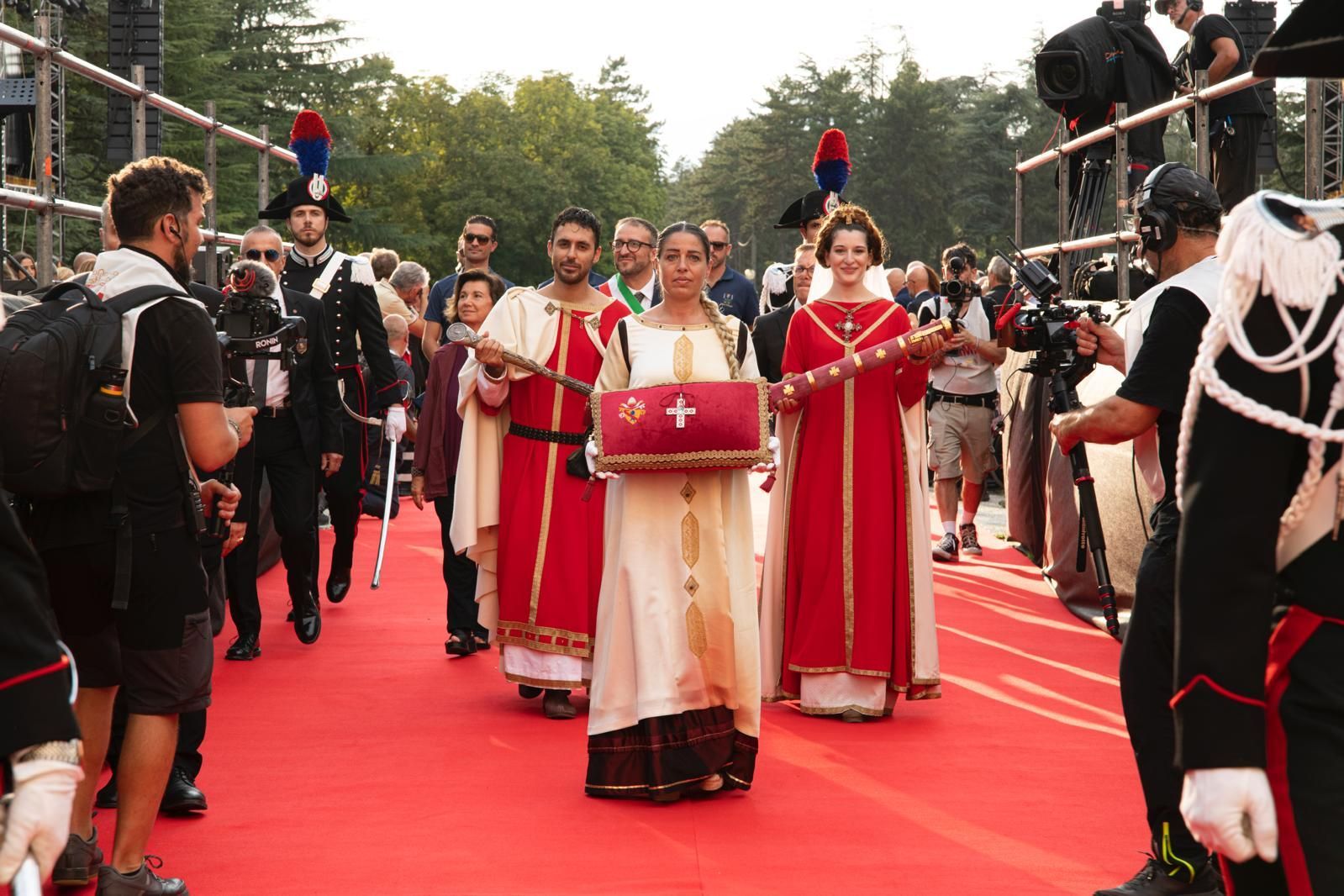
The medieval festivals are largely a summer phenomenon. The Corsa degli Zingari in Pacentro (September, but worth planning for), the medieval re-enactments in several borghi, the Archi and Pichuco festival — summer is when Abruzzo's calendar is fullest.
Local tip: If you’re coming in August specifically for the villages, aim for early morning or evening visits. Arrive at Scanno at 7:30 am. The village is yours. By 11 am, it will be someone else’s.
July is significantly better than August for any visit that involves the more famous sites. The coast is warm but not yet sardine-tin conditions. The mountain areas are at their most accessible.
Autumn in Abruzzo: September to November
This is the season we recommend most often, and the reasons are almost embarrassingly good.
October in Abruzzo is a different region. The saffron harvest at Navelli begins around mid-October: the Crocus sativus blooms before dawn, and the only way to see it properly is to be there at first light, kneeling in a purple field pulling pistils from flowers by hand. We run a dedicated experience around it each year, and it fills early.
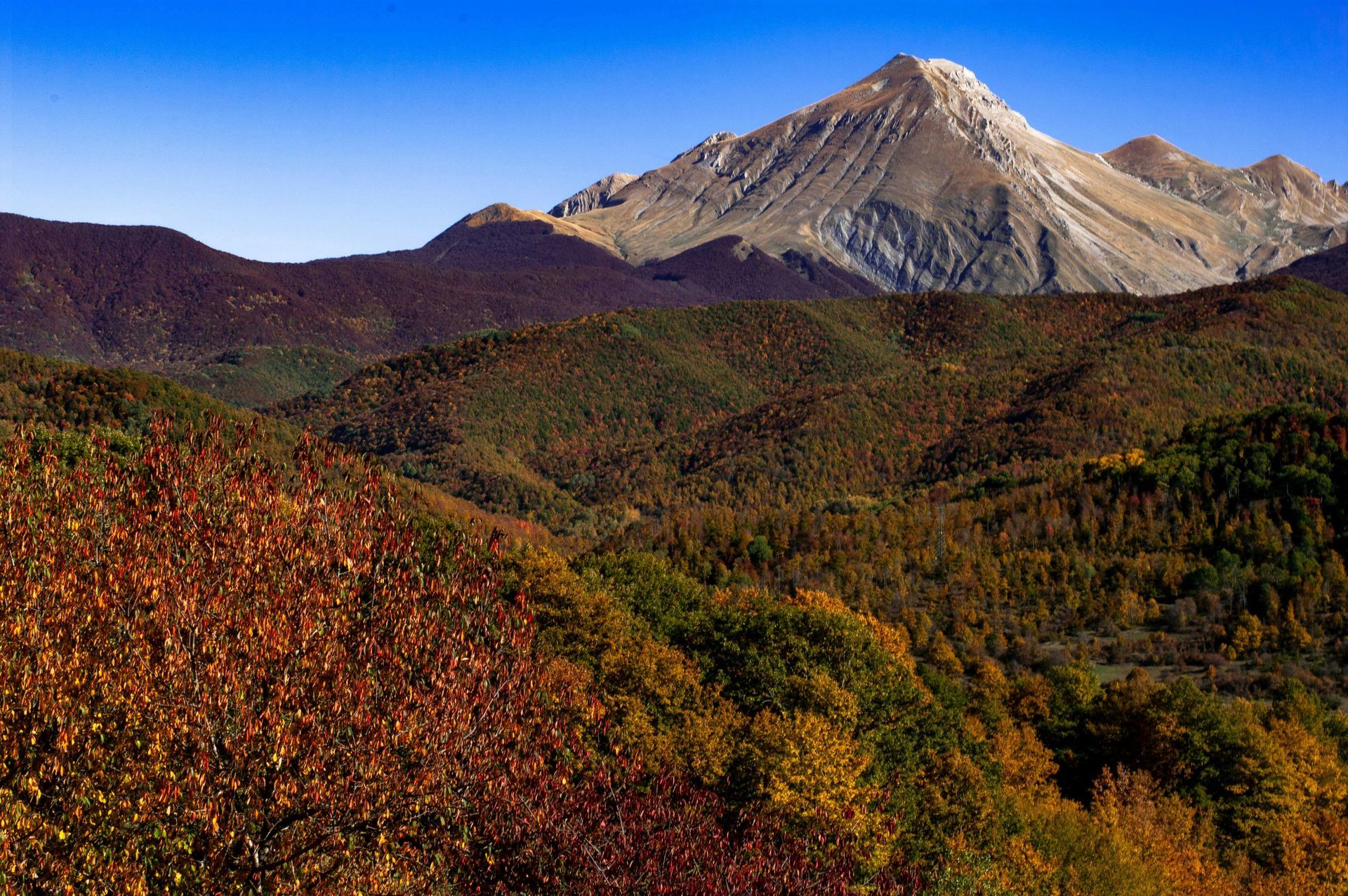
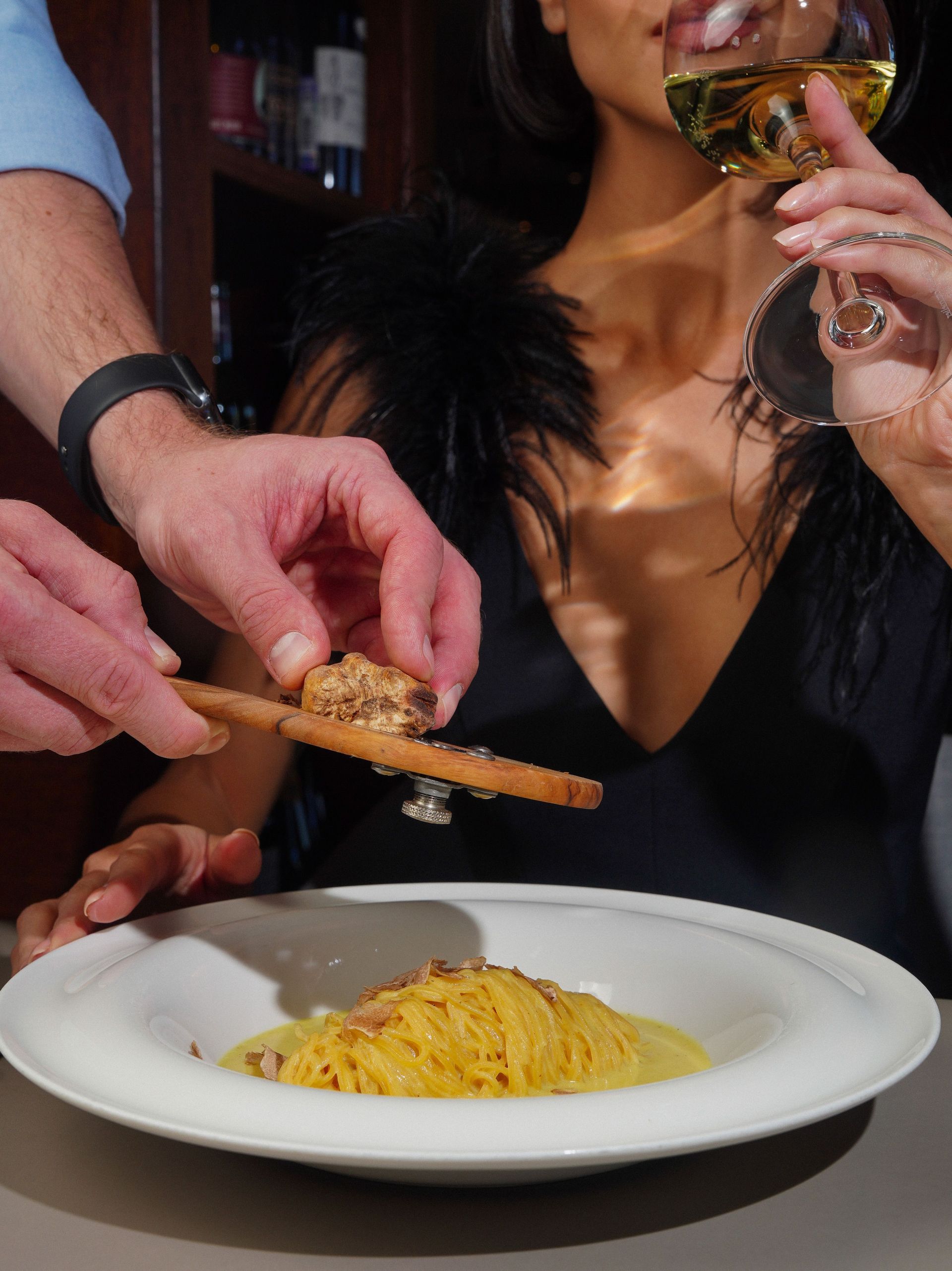
Truffle season begins. The white truffle of the Apennine foothills is extraordinary, and the restaurants and sagre (food festivals) around it are some of the best eating to be had in central Italy. The forests turn gold and amber above the valleys. The hiking trails are firm underfoot, the light is rich and low, and the crowds have gone.
November is quieter still — some things begin to close for winter, but the core of the region stays open, and the atmosphere shifts to something more local. It’s the month the hunters come out, which gives village bars a particular liveliness and means fresh game on the menus.
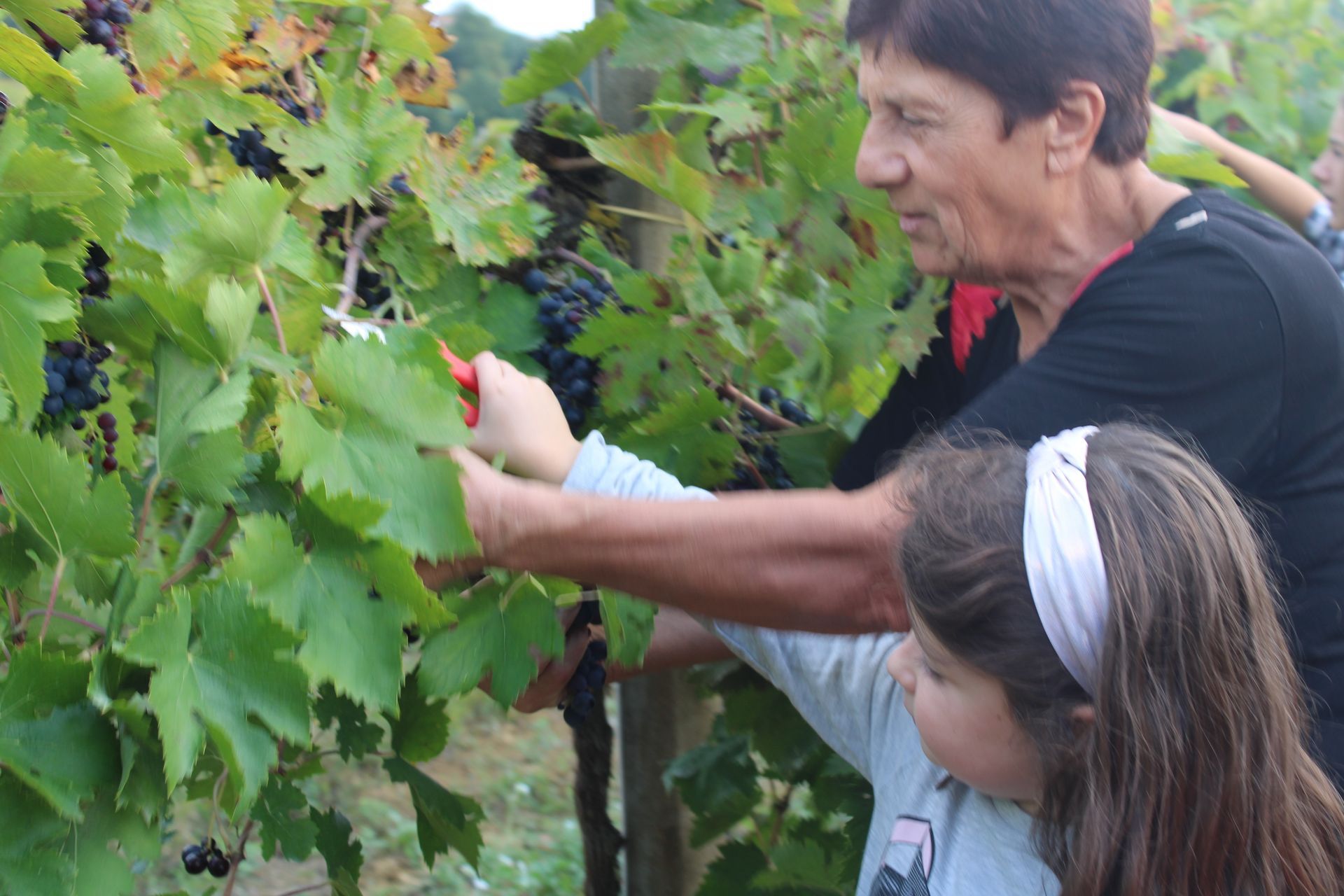
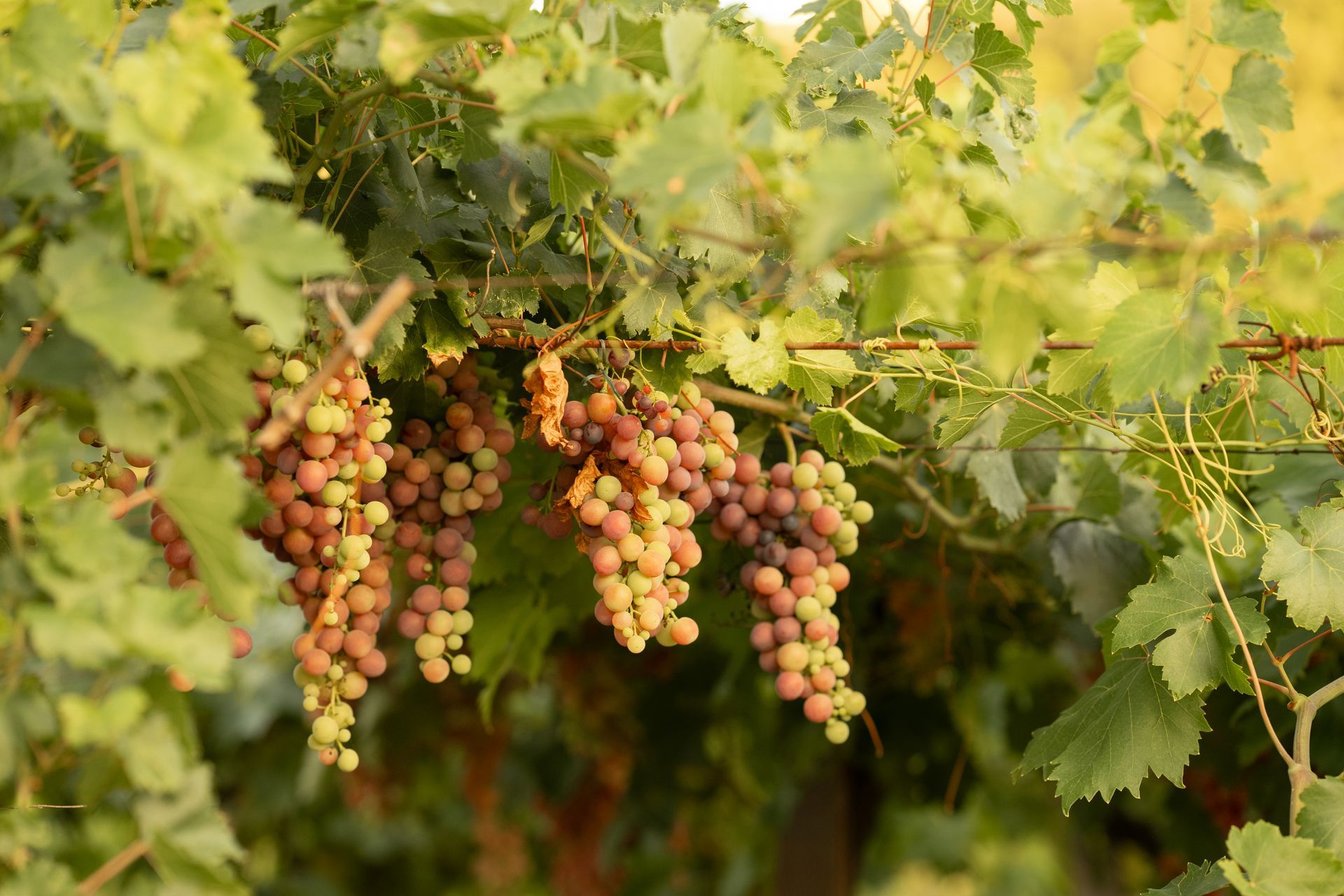
October is our favourite month. We build saffron harvest experiences, truffle itineraries, and wine-harvest visits every autumn. Reach out early — availability goes fast.
Local tip: The week before and after the truffle fairs in the Trigno valley (generally late October) is when the local restaurants are cooking at their peak. This is not the time for tourist menus.
Winter in Abruzzo: December to March
Winter is the most misunderstood season. Most travellers write it off. Those who understand Abruzzo know better.
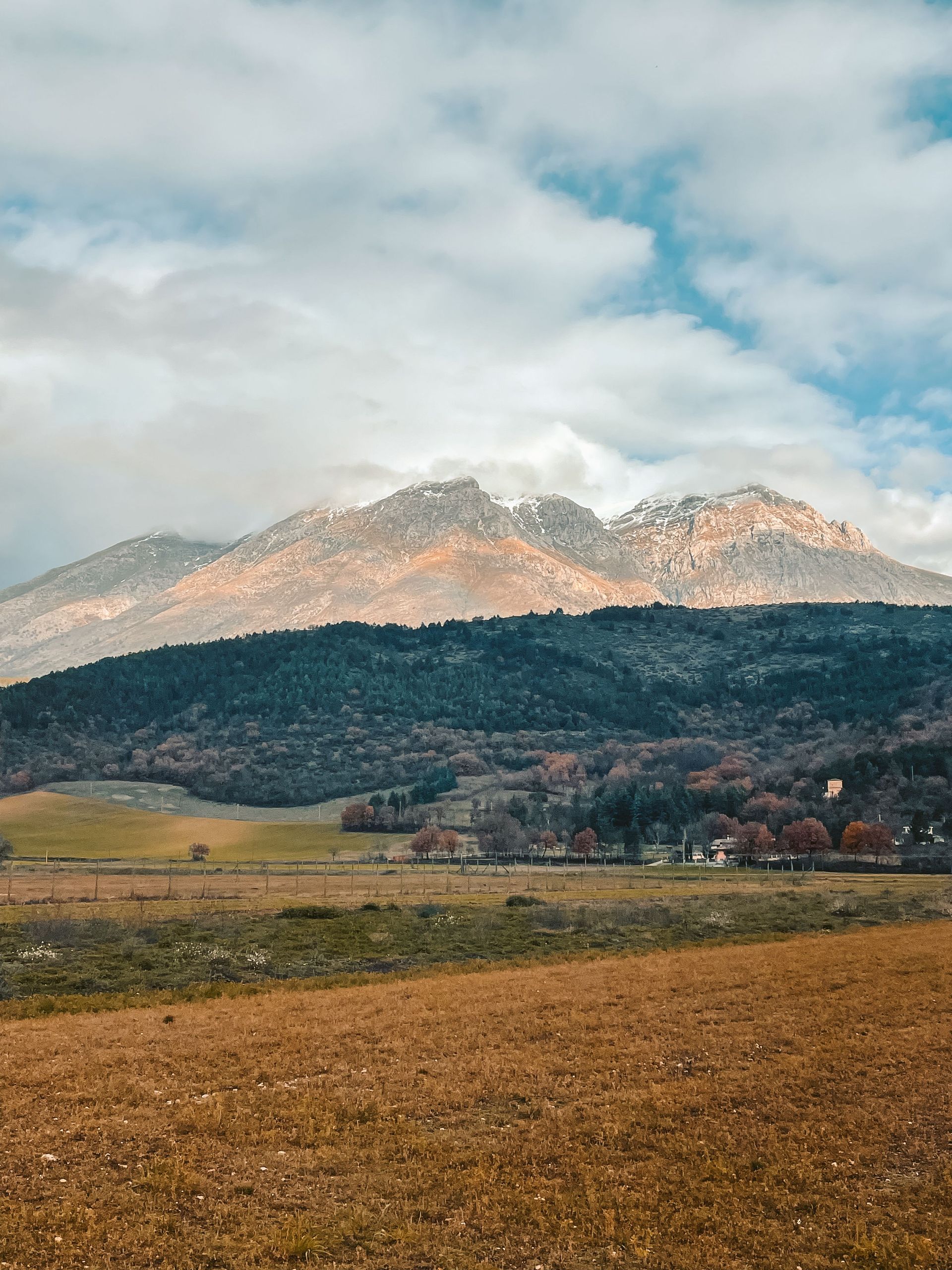
The Apennines have serious ski resorts — Campo Felice, Ovindoli, Roccaraso — that draw Italian skiers but remain almost completely unknown to foreign visitors. The snow can be excellent from January through March, the prices are a fraction of the Alps, and the mountain villages at this time of year carry a completely different atmosphere.
L’Aquila in December is beautiful: the Christmas markets in the historic centre, the restored churches lit against the cold, the mountain air sharp. Chieti in January is the city at its most authentically itself, with nothing staged for tourism.
For food, winter is broth and slow-cooked lamb and the porchetta that’s been in the wood oven since morning. The wine cellars invite you in. The ceramics workshops in Castelli are open and unhurried.
Local tip: January and February are the months when the people who actually live here are most willing to slow down and talk. If you want to understand Abruzzo — its rhythms, its history, its character — winter is when the conversations happen.
Book your saffron harvesting experiences
The Short Answer: When Should You Go?
If you have complete flexibility: October. The landscape, the food, the temperature, and the relative quiet create conditions that are hard to improve on.
If you’re coming in summer: July over August, mountains over coast, early mornings in the villages.
If you want spring wildflowers, hiking, and festivals: May to early June.
If you want skiing, quiet, and the most authentic experience of how locals actually live: January to March.
What Abruzzo doesn’t do well is being visited the way you’d visit Rome or Florence: efficiently, at speed, in a big group, in August. The region rewards patience and a degree of surrender to its own pace. Whenever you go, the most important thing is that you give it enough time.
How borGO Can Help You Plan
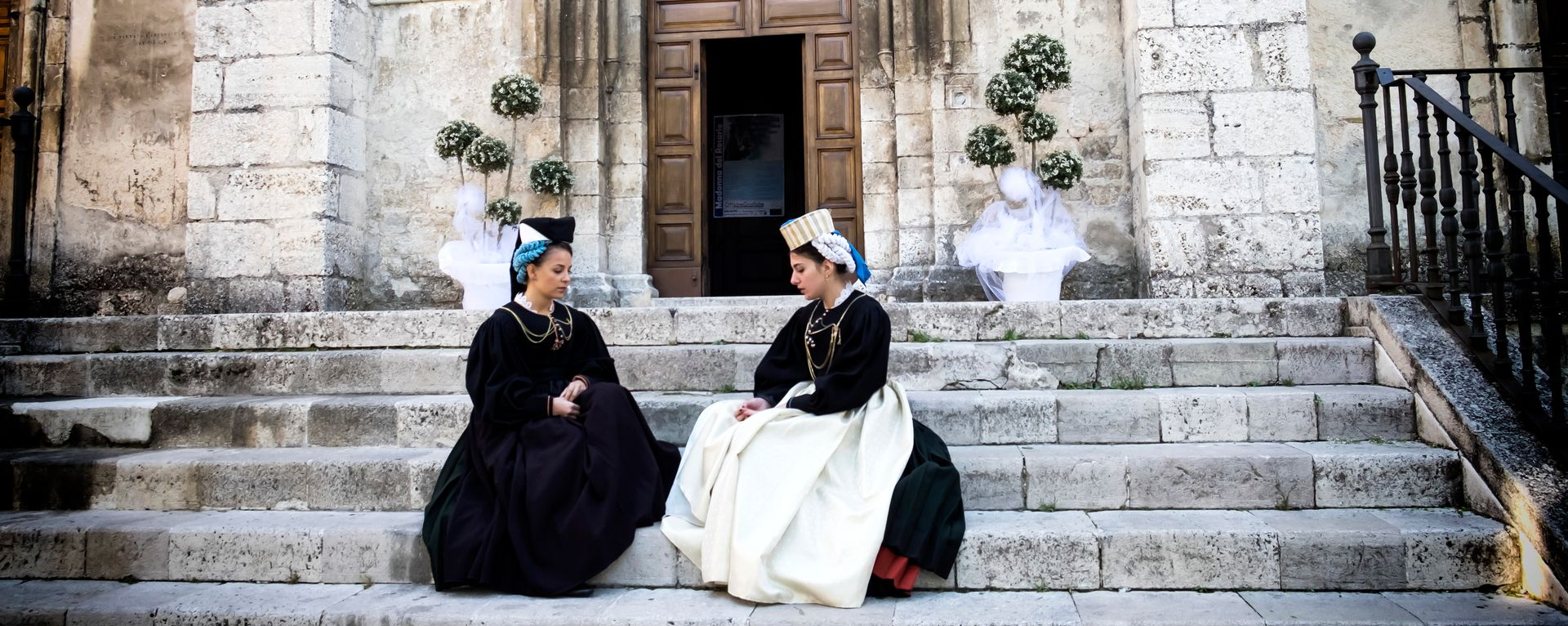
We've been working in Abruzzo's borghi since before they appeared on anyone's radar. Our guides live here. They know which villages have festivals worth rerouting for, which restaurants don't have a sign outside, and which roads to the hilltop are actually worth the detour. We don't do bus tours. We build experiences around what you care about — whether that's slow food, medieval history, photography, hiking, or simply being somewhere that feels genuinely far from the rest of the world.
What we can put together for you:
- Day trips & private guided visits: to one or more of these borghi, with local introductions and off-menu access.
- Multi-day itineraries: combining borghi, national parks, coast, and food experiences in a coherent journey.
- Seasonal experiences: timed to festivals, harvests (saffron in October, lentils in summer), and local events.
- Custom slow travel programmes: for couples, small groups, and solo travellers who want depth over distance.
Check our experiences and packages for you
Ready to Visit?
The borghi in this list are not impossible to reach; they're just rarely known. Once you know them, the question is no longer whether to go but when, and how to make the most of the time you have there.
That's where we come in. Tell us what you're looking for: a specific village, a season, a style of travel, a type of experience, and we'll build something around it. No generic packages. No wasted days.
Our Frequently Asked Questions
When is the least crowded time to visit Abruzzo?
January to March and November are the quietest months. Even in peak season (July–August), most of Abruzzo’s interior remains far less crowded than Tuscany or the Amalfi Coast. The crowds concentrate on the famous borghi and the Trabocchi coastline — everywhere else is yours.
Is Abruzzo good for skiing?
Yes, genuinely. Campo Felice, Ovindoli, and Roccaraso are proper mountain resorts with reliable snow from December through March. They’re almost entirely off the radar of foreign tourists, which is part of what makes them worth visiting.
Can you visit Abruzzo's villages without a car?
Some yes, many no — Abruzzo's transport infrastructure reflects its terrain. A few borghi are accessible by regional train (Scanno via Sulmona, Atri from the Pescara–Bari line), but reaching villages like Pietracamela or Castelli without a car is complicated. borGO offers guided day trips and multi-day programmes with private transport from Pescara, L'Aquila, or Chieti — so you can explore without needing to drive mountain roads yourself.
Moreover, we offer chauffers (NCC) or accessible rental from Pescara or other big cities so that you can access them.
Some villages are not accessible with big busses.
What’s the weather like in Abruzzo in October?
Mild and often spectacular. Daytime temperatures in the valleys range from 12–20°C, the mountains are cooler, the coast still warm enough for walking. Expect some rain, particularly in November. Pack layers.
Can borGO help me plan a seasonal itinerary?
That’s exactly what we do. Tell us when you’re coming, how long you have, and what you care about — we’ll build something around the season. Contact us here or explore our experiences.