People ask this comparison with some regularity, and it’s a fair one. Both regions have medieval hilltop towns, rolling landscapes, excellent food and wine, and the kind of slow-travel credentials that serious Italy travellers seek out. From a distance, they might seem interchangeable.
They are not.
I’ve spent years in Abruzzo and have a deep familiarity with what it does and doesn’t offer. What follows is not a promotional piece for either region. It’s an honest attempt to help you figure out which one suits you because that depends entirely on who you are and what you’re after.
New to Abruzzo? Read our Travel Guide or explore what we can do for you.
The Fundamental Difference
Tuscany has been receiving visitors for a very long time. It has had decades to develop the infrastructure, the expectations, and the aesthetic of a place that knows it’s being looked at. The agriturismo has been perfected. The wine tour has a format. The hilltop town has a car park and a restaurant with an English menu and a sign that says “TripAdvisor Certificate of Excellence.” None of this is a criticism. For many travellers, this is exactly what they want: a beautiful, comfortable, legible experience of Italy that doesn’t require work. Tuscany delivers that superbly.
Abruzzo hasn’t reached that equilibrium. It’s still in the process of being discovered. The infrastructure is less polished. The signage is less consistent. The restaurants don’t all have English menus. Some of the best places have no online presence at all. Getting the most out of Abruzzo requires a different kind of traveller, or a guide who can bridge the gap.
What you get in return is the thing that Tuscany has largely traded away: the feeling that the place is living its actual life, not performing it.
The Villages
Tuscany has San Gimignano, Montepulciano, Pienza, and Volterra. These are magnificent. They are also, in peak season, extremely crowded. The gelato queues are long. The streets are photographed within seconds. The experience is often managed.
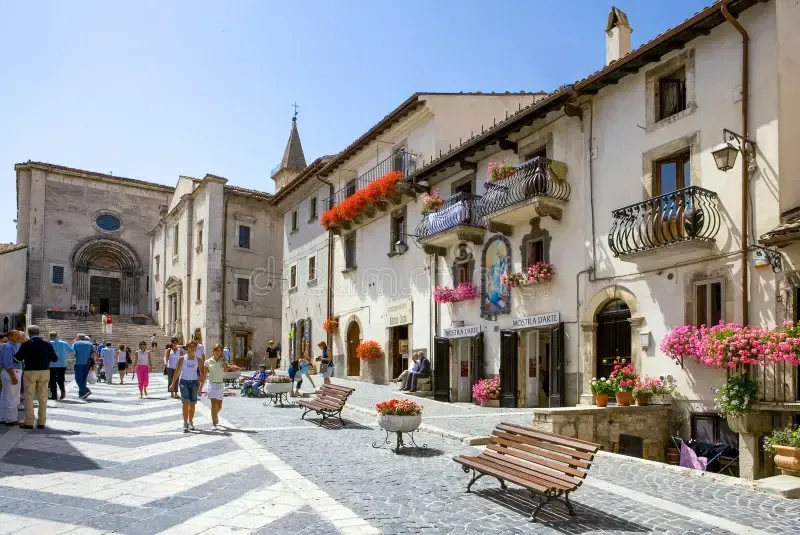
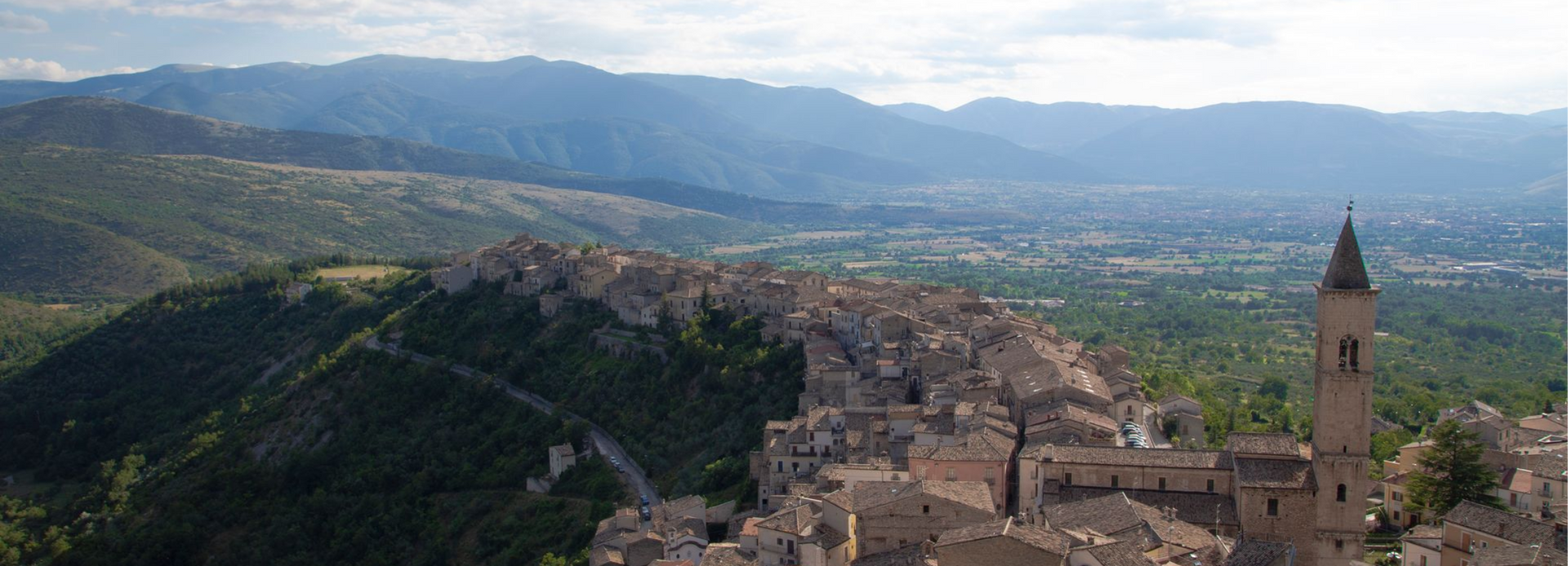
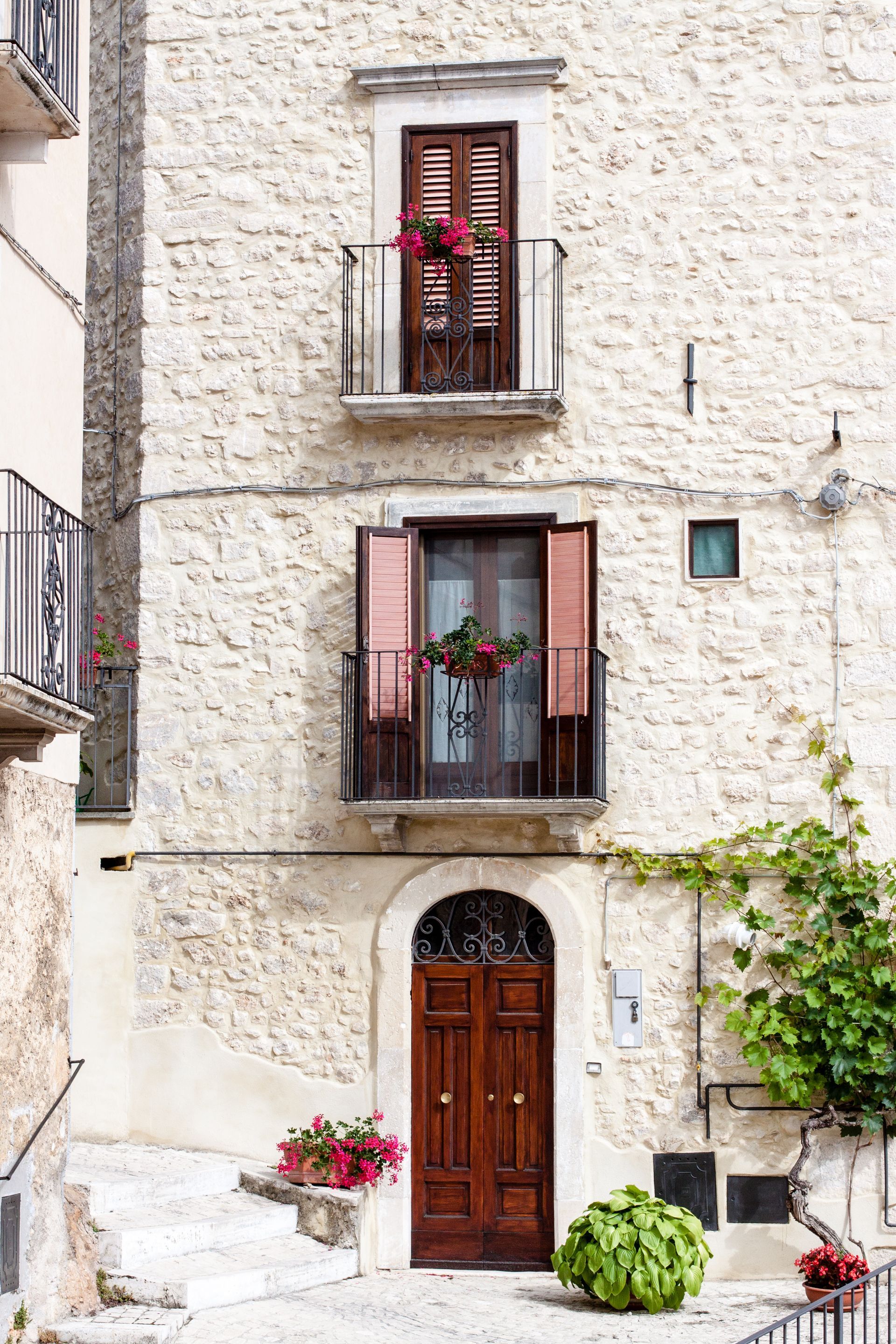
Abruzzo has 27 villages on the national list of I Borghi Più Belli d’Italia — more than almost any other Italian region. The most famous (Scanno, Santo Stefano di Sessanio, Pacentro) attract visitors, but at a volume that still allows the village to remain itself. The majority are genuinely unknown to international tourism. In November, in Castrovalva or Capestrano or Pietracamela, you will encounter local life with no tourist filter whatsoever.
Local tip: The comparison is not really “Abruzzo vs Tuscany”; it’s “polished experience vs unfiltered discovery.” If you know which you prefer, the answer writes itself.
The Food
Tuscany’s food is extraordinary: the bistecca Fiorentina, the ribollita, the Chianti, the pecorino of Pienza. This is some of the most celebrated cuisine in Europe.
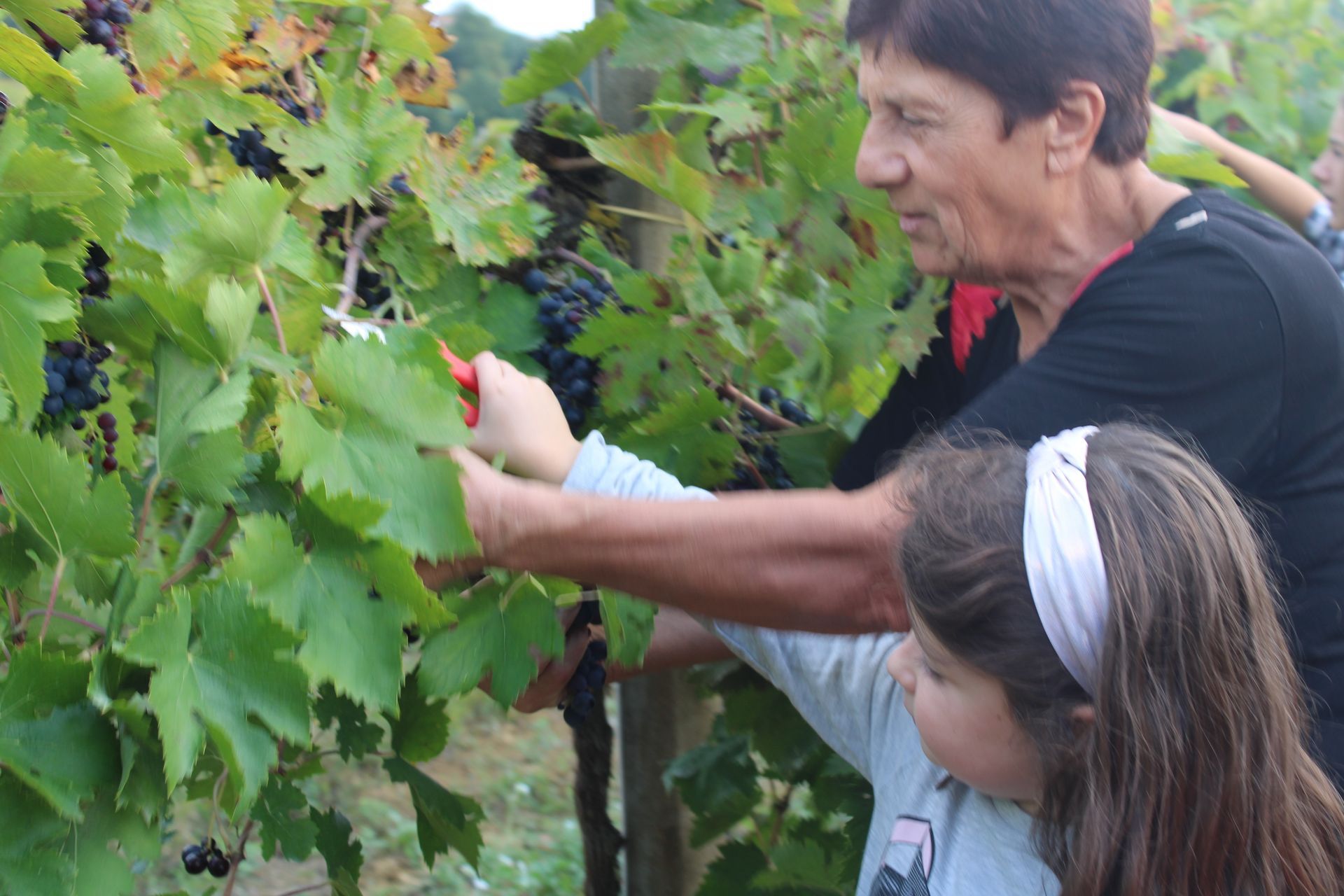
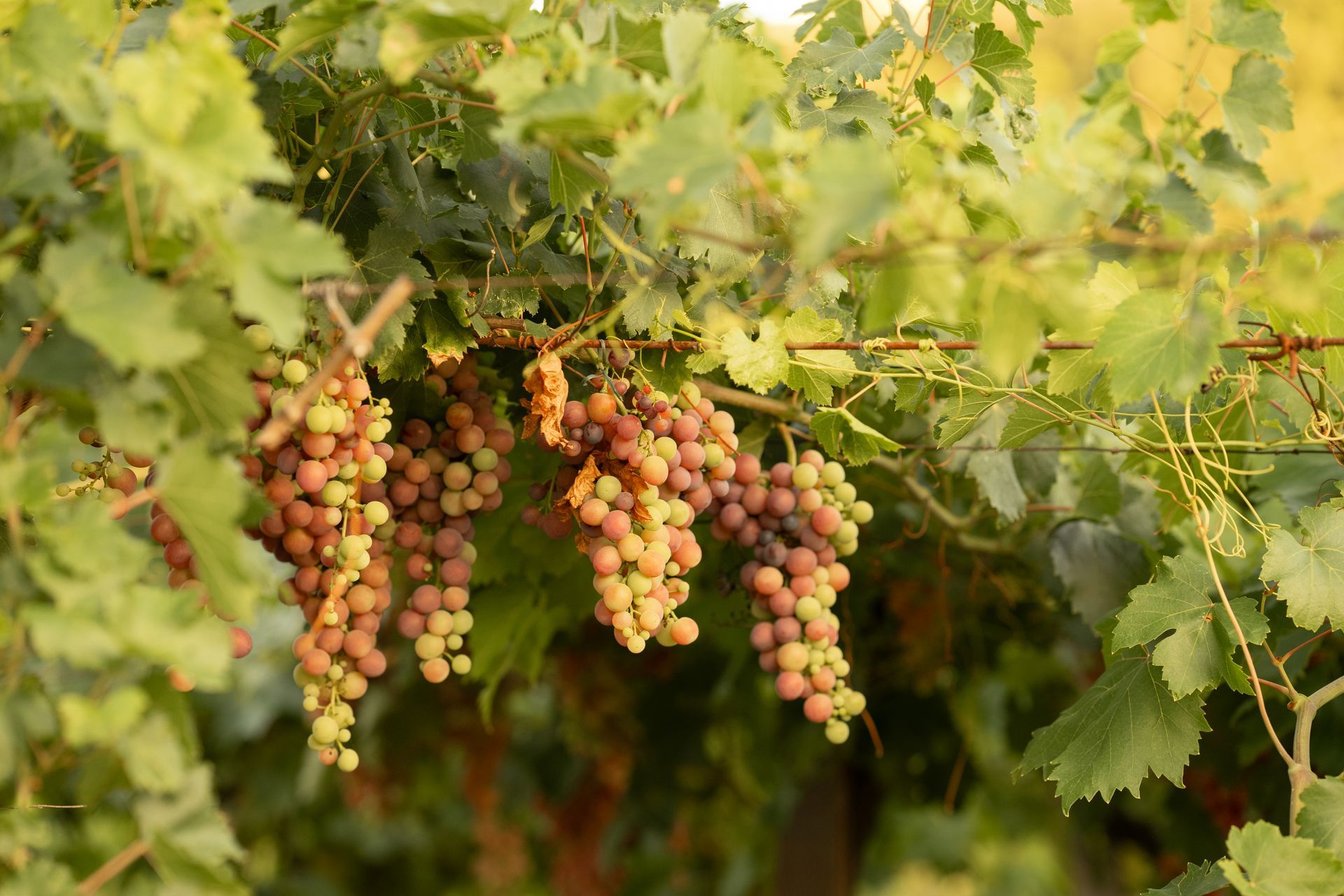
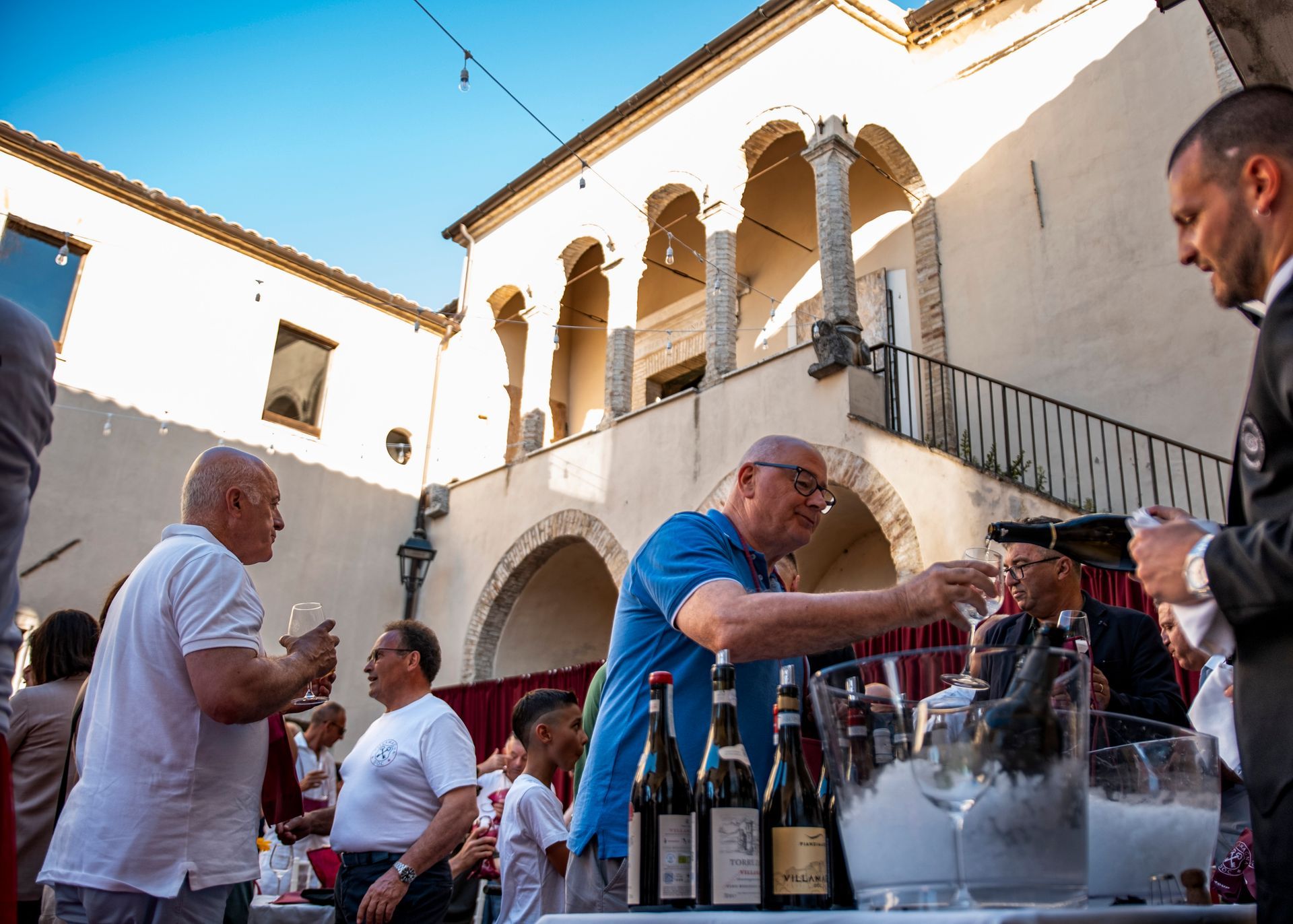
Abruzzo’s food is less famous and, for the traveller willing to do a little work, equally extraordinary. The saffron of Navelli Zafferano dell’Aquila, a Slow Food Praesidium worth more than gold by weight is one of Italy’s great culinary products. The lamb, raised on Apennine pasture, is exceptional. The pasta alla chitarra (made with a guitar-like instrument of stretched strings) is Abruzzo’s signature dish and something to eat in the kitchen where it’s made, not in a restaurant that serves forty tables. The Montepulciano d’Abruzzo grape produces wines that consistently outperform their price point.
The difference is that in Tuscany, you can find the best food relatively easily; the trail has been marked. In Abruzzo, finding the best food requires local knowledge. The agriturismo with no website. The nonna who cooks by appointment. The sagra that’s only advertised in dialect on a poster at the bar.
We run food and wine experiences throughout Abruzzo, from saffron harvests in Navelli to cooking classes in the Trigno valley. Explore our Food & Wine experiences to see what’s available.
The Landscape
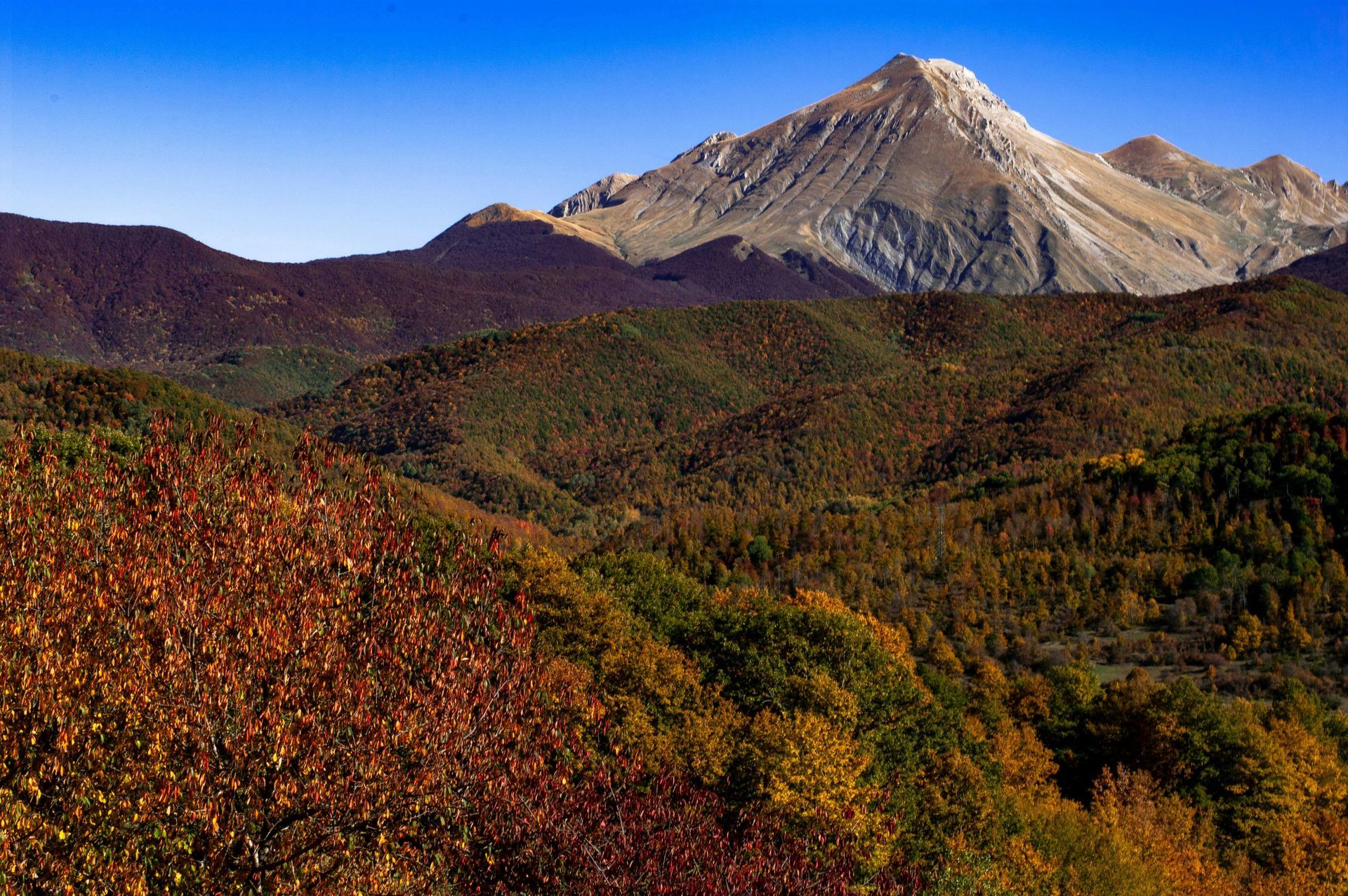
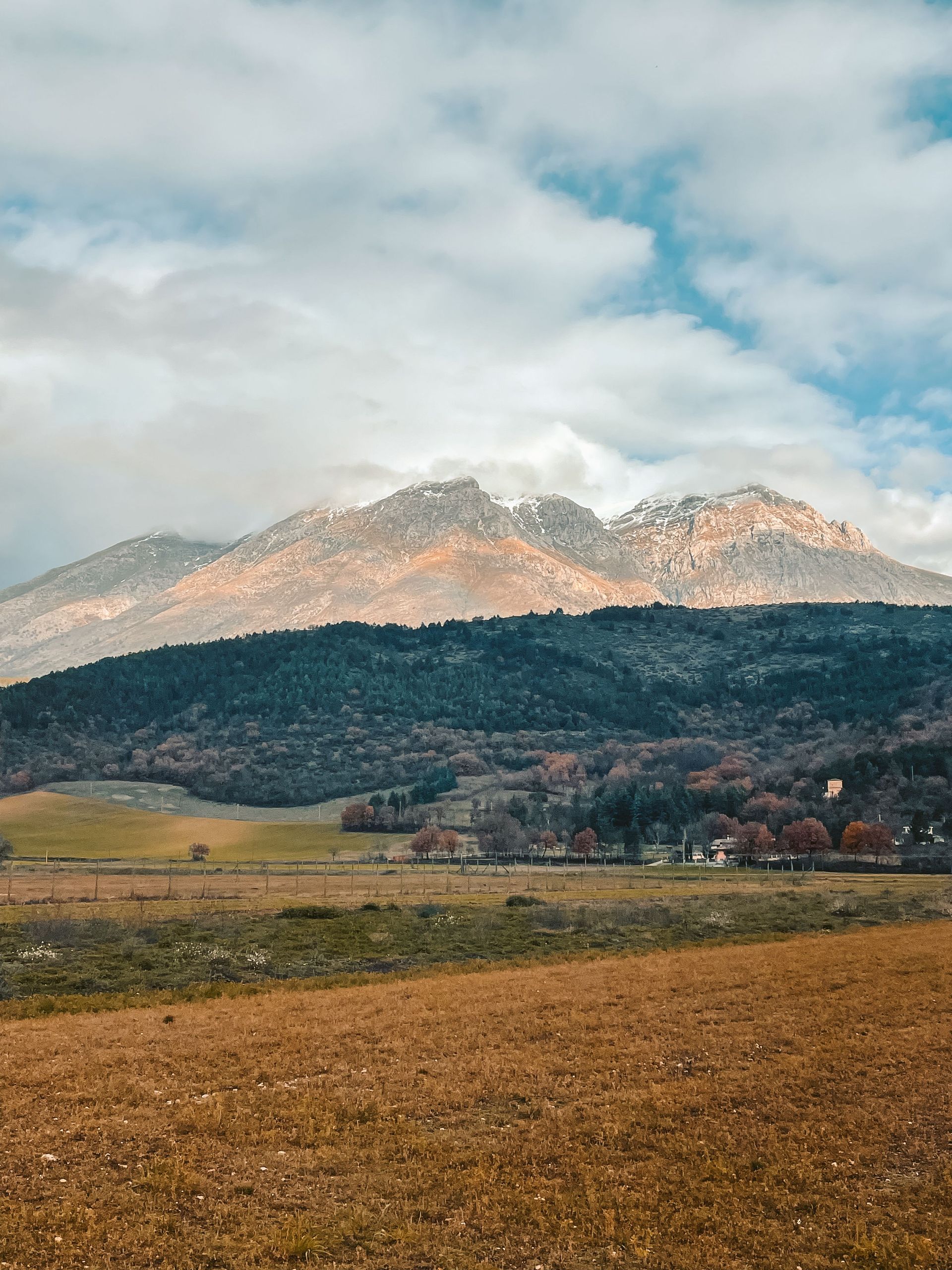
Tuscany’s landscape is among the most beautiful in Europe. The cypress rows, the golden hills, the vineyards in autumn: it’s genuinely stunning, and the photographs don’t lie. Abruzzo is wilder, more dramatic, and in a different way equally beautiful. The Gran Sasso d’Italia, the highest peak in the Apennines, rises to 2,912 metres. The Majella massif is a complex of peaks, gorges, and plateaux that has been a hermits’ retreat for a thousand years. The Abruzzo, Lazio and Molise National Park is home to the last viable populations of Marsican brown bear and Apennine wolf in Italy.
If your Italy is about rolling hills and vineyards: Tuscany. If your Italy also has glacial valleys, wolf territory, and the silence of a high-altitude plateau at sunrise: Abruzzo.
The Crowds
In August, Florence receives several million visitors per month. Tuscany’s highways are clogged. The most famous towns require reservations weeks in advance. The experience of spontaneity is largely gone. Abruzzo’s interior, even in peak season, remains relatively uncrowded by Italian standards. The coast fills with Italian holidaymakers, but the borghi and mountains are accessible. Outside of July and August, the region is genuinely quiet.
Local tip: If you’re choosing between the two regions for a September or October visit, Abruzzo is not even a close contest. The autumn truffle and saffron season, the turning forests, the empty village streets at dusk — it is Abruzzo’s finest moment.
Check your experiences far from the crowds
The Costs
Abruzzo is significantly cheaper than Tuscany for accommodation, food, and transport. A good agriturismo in the Chianti region can cost €200–350 per night. The equivalent in Abruzzo’s hills, a masseria or a restored borgo accommodation, runs €80–180. The restaurant bill is consistently lower. The wine is cheaper and often better value.
This isn’t because quality is lower. It’s because Abruzzo hasn’t yet priced itself as a premium tourist destination. That window is closing, but it’s still open.
Which Should You Choose?
Choose Tuscany if you want a well-curated, comfortable Italian experience with reliable infrastructure, famous viewpoints, and the reassurance that comes from knowing that millions of people before you found it wonderful.
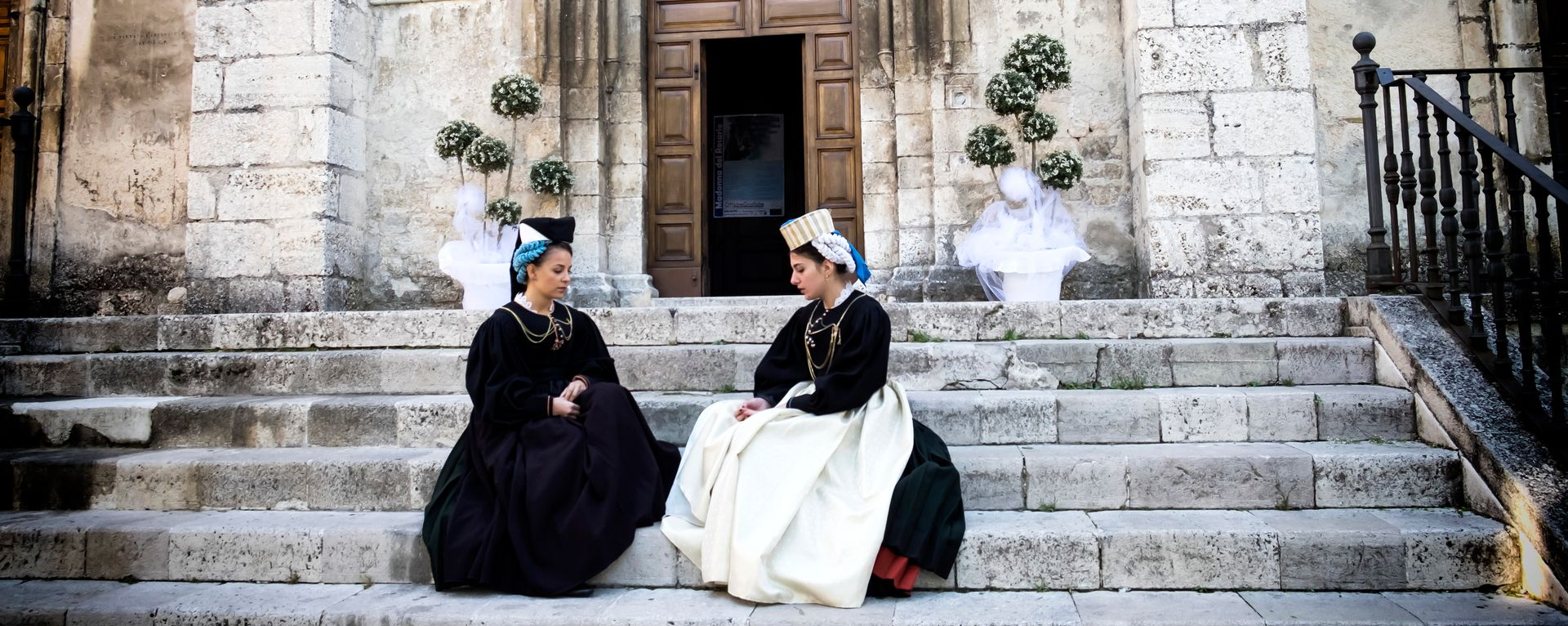
Choose Abruzzo if you’re a traveller who has already done the famous Italy, or who actively wants to be somewhere that still lives on its own terms. If you care about food that has a story and a place. If you want mountains with wolves and festivals that aren’t staged. If you want to feel, occasionally, like you’ve found something nobody else has found yet.
The two are not mutually exclusive. Rome is two hours from L’Aquila. Florence is four hours from Pescara. A two-week Italian trip that combines a few days in Tuscany with a week in Abruzzo is entirely possible and covers a remarkable range of experience.
If Abruzzo is on your list, we’re the right people to help you do it properly. No generic packages — we build itineraries around what you actually care about. Read our Travel Guide or get in touch to start planning.
How borGO Can Take You There
We've been working in Abruzzo's borghi since before they appeared on anyone's radar. Our guides live here. They know which villages have festivals worth rerouting for, which restaurants don't have a sign outside, and which roads to the hilltop are actually worth the detour. We don't do bus tours. We build experiences around what you care about — whether that's slow food, medieval history, photography, hiking, or simply being somewhere that feels genuinely far from the rest of the world.
What we can put together for you:
- Day trips & private guided visits: to one or more of these borghi, with local introductions and off-menu access.
- Multi-day itineraries: combining borghi, national parks, coast, and food experiences in a coherent journey.
- Seasonal experiences: timed to festivals, harvests (saffron in October, lentils in summer), and local events.
- Custom slow travel programmes: for couples, small groups, and solo travellers who want depth over distance.
Check our experiences and packages for you
Our Frequently Asked Questions
Is Abruzzo better than Tuscany?
Neither is objectively better — they suit different travellers. Tuscany is more polished and easier to navigate independently; Abruzzo is wilder, cheaper, less crowded, and rewards visitors who want depth over convenience.
Is Abruzzo worth visiting for food and wine?
Absolutely. Abruzzo’s cuisine includes world-class products (Slow Food Presidia like Zafferano dell’Aquila, Lenticchia di Santo Stefano, Ventricina del Vastese) and exceptional wines. The challenge is that the best producers and restaurants are not always easy to find without local knowledge.
How far is Abruzzo from Tuscany?
Roughly 3–4 hours by car, depending on your starting and ending points. The A1 motorway connects the two regions. A combined trip covering both is realistic for a 10–14-day Italian holiday.
Can borGO help me plan an Abruzzo trip after Tuscany?** Yes — this is something we do regularly. Tell us your dates and what you’re looking for, and we’ll build something around it. Contact us here.
Yes — this is something we do regularly. Tell us your dates and what you’re looking for, and we’ll build something around it. Contact us.
What is borGO and how can it help me visit these villages?
borGO is a licensed tour operator based in Abruzzo, specialising in authentic, slow-travel experiences in the region. We design private itineraries, small-group tours, and curated experiences — from half-day village visits to week-long programmes — for travellers who want to go deeper than a guidebook allows. Contact us to tell us what you're looking for.